BYOK Explained: Why Bring-Your-Own-Key SaaS Is Taking Over
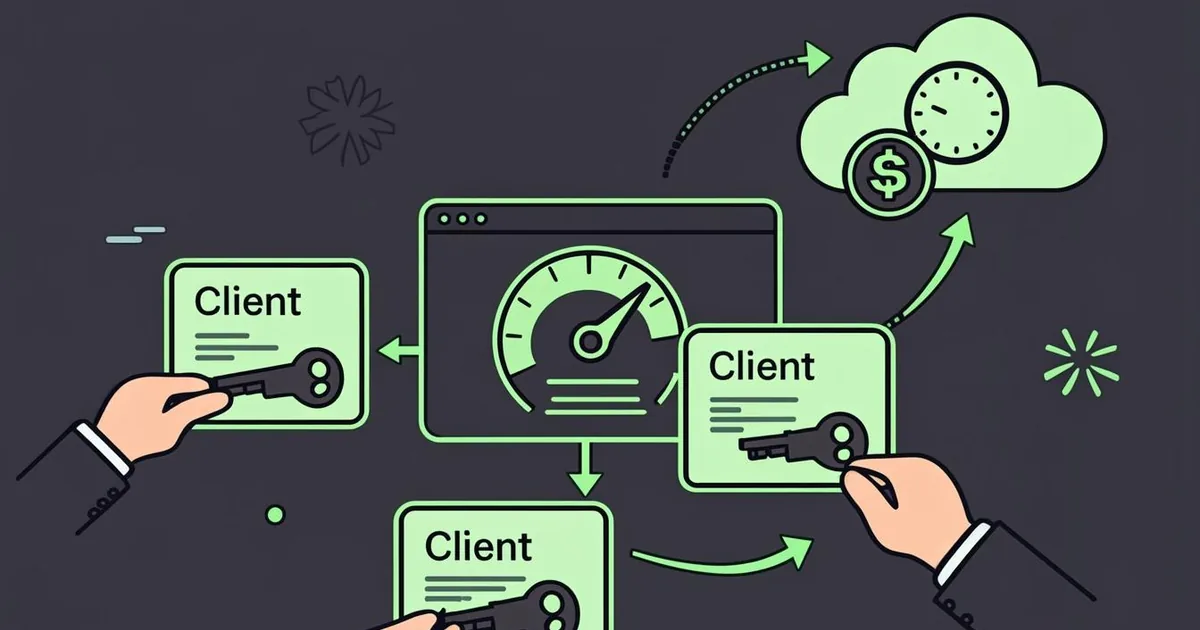
Bring your own key software changes who pays for API usage and who controls credentials. With byok saas you create your own keys in Google Cloud or a similar provider, paste them into a tool, and the tool acts on your behalf while usage bills to your account. This guide is for SEO owners, content leads, and developers who run indexing, crawling, or content pipelines and want lower costs with clearer control. You will learn what BYOK means in plain terms, how requests flow from browser to vendor to provider, why vendors prefer this model, how pricing compares to bundled plans, which security controls matter, and how to adopt BYOK without breaking live workflows. The primary focus is byok saas, and every section gives steps you can apply this week. Each recommendation below uses plain steps, named roles, and checks you can verify in provider consoles and tool logs. You do not need enterprise software to follow along. A small team with one vault, one log sheet, and one calendar can run the full pattern.
Key takeaways
- Define key ownership in your contract across one scoped project keeps control clear.
- Pay vendor flat fee for software shows true cost before you scale volume.
- Store secrets in a vault with roles, rotate on schedule, and log every use.
- Test small batches first, then expand after clean results and steady logs.
- What BYOK SaaS actually means
- How the BYOK model works in practice
- Why vendors are switching to BYOK
- BYOK versus traditional SaaS versus self hosted
- Where BYOK fits in SEO and indexing workflows
- How BYOK pricing works and why it saves money
- Security advantages when you hold your own keys
- Risks and trade offs of BYOK you should know
- What to look for in a good BYOK tool
- How to adopt BYOK in your team step by step
- When BYOK is not the right choice
- FAQ
 <!-- IMAGE-PROMPT cover: 1200x630, DependsIt brand, deep charcoal #121212 background, vibrant mint #22E3B0 accent glow, thin node-network line art, Clash Display style bold heading space on left, General Sans clean labels, subject: BYOK Explained: Why Bring-Your-Own-Key SaaS Is Taking Over, flat vector, high contrast, accessible, no photorealistic faces, no text smaller than 24px, no em dash in rendered text, export PNG then cwebp -q 82 to WEBP -->
What BYOK SaaS actually means
What BYOK SaaS actually means deserves a plain definition before you act, because byok saas fails most often from vague ownership rather than hard technology. In this workflow you are the customer of the provider and the user of the tool, which means two dashboards matter: the provider console where quota and keys live, and the tool dashboard where jobs run. Start by naming the exact outcome you want, such as daily URL submissions under your own quota or predictable spend per project. Write that outcome in one sentence in your runbook. When everyone agrees on the outcome, later choices about scope, project separation, and logging become straightforward and easy to audit.
- Define key ownership in your contract. In the context of byok saas, this step protects quota, clarifies ownership, and keeps logs readable for the next review.
- Separate platform fee from provider usage. In the context of byok saas, this step protects quota, clarifies ownership, and keeps logs readable for the next review.
- Require per customer keys, not shared pool. In the context of byok saas, this step protects quota, clarifies ownership, and keeps logs readable for the next review.
- Document who can revoke and when. In the context of byok saas, this step protects quota, clarifies ownership, and keeps logs readable for the next review.
- Log which key made each request. In the context of byok saas, this step protects quota, clarifies ownership, and keeps logs readable for the next review.
Why does what byok saas actually means matter for teams running byok saas every week? Because small errors compound at scale. A key with too broad a role can touch projects it should never see. A missing log row turns a simple 403 into a day of guessing. A test job pointed at production can burn a full day of quota before lunch. Owners feel this as delayed launches and surprise costs. Developers feel it as noisy alerts and late fixes. A clear pattern for what byok saas actually means removes that friction. You get faster reviews, calmer incidents, and numbers you can explain to clients without hedging.
To apply what byok saas actually means in your byok saas workflow, follow a short repeatable loop. First, inventory the current state: which keys exist, where each one is stored, which scopes each one grants, and which jobs use it. Second, narrow scope to the minimum that still completes the job, using separate projects for production and testing. Third, move secrets into a vault with role based access and inject them at runtime instead of copying files. Fourth, run a small batch of five to ten real tasks and confirm response codes, log rows, and cost. Fifth, document the result with dates and owners so the next person does not start from zero.
A common mistake with what byok saas actually means is treating it as a one time setup instead of a living control. Teams paste a key once, forget where copies live, and only revisit the topic after an auth failure or quota alert. The fix is a light routine: review scopes quarterly, confirm rotation dates on a shared calendar, check logs weekly at first then monthly, and test recovery steps before you need them. If you run byok saas across client sites, add per client notes so one incident never spreads across accounts. This steady rhythm takes less than an hour a month and prevents most urgent fixes.
To state byok meaning plainly, the vendor runs the workflow while your key authorizes provider calls. This split keeps quota, billing, and revocation in your account rather than in a shared pool.
How the BYOK model works in practice
How the BYOK model works in practice deserves a plain definition before you act, because byok saas fails most often from vague ownership rather than hard technology. In this workflow you are the customer of the provider and the user of the tool, which means two dashboards matter: the provider console where quota and keys live, and the tool dashboard where jobs run. Start by naming the exact outcome you want, such as daily URL submissions under your own quota or predictable spend per project. Write that outcome in one sentence in your runbook. When everyone agrees on the outcome, later choices about scope, project separation, and logging become straightforward and easy to audit.
- Paste key once in encrypted vault. In the context of byok saas, this step protects quota, clarifies ownership, and keeps logs readable for the next review.
- Vendor exchanges key for short lived token. In the context of byok saas, this step protects quota, clarifies ownership, and keeps logs readable for the next review.
- Tool calls provider with your quota. In the context of byok saas, this step protects quota, clarifies ownership, and keeps logs readable for the next review.
- Usage bills to your Cloud project. In the context of byok saas, this step protects quota, clarifies ownership, and keeps logs readable for the next review.
- Revoke in provider console any time. In the context of byok saas, this step protects quota, clarifies ownership, and keeps logs readable for the next review.
Why does how the byok model works in practice matter for teams running byok saas every week? Because small errors compound at scale. A key with too broad a role can touch projects it should never see. A missing log row turns a simple 403 into a day of guessing. A test job pointed at production can burn a full day of quota before lunch. Owners feel this as delayed launches and surprise costs. Developers feel it as noisy alerts and late fixes. A clear pattern for how the byok model works in practice removes that friction. You get faster reviews, calmer incidents, and numbers you can explain to clients without hedging.
To apply how the byok model works in practice in your byok saas workflow, follow a short repeatable loop. First, inventory the current state: which keys exist, where each one is stored, which scopes each one grants, and which jobs use it. Second, narrow scope to the minimum that still completes the job, using separate projects for production and testing. Third, move secrets into a vault with role based access and inject them at runtime instead of copying files. Fourth, run a small batch of five to ten real tasks and confirm response codes, log rows, and cost. Fifth, document the result with dates and owners so the next person does not start from zero.
A common mistake with how the byok model works in practice is treating it as a one time setup instead of a living control. Teams paste a key once, forget where copies live, and only revisit the topic after an auth failure or quota alert. The fix is a light routine: review scopes quarterly, confirm rotation dates on a shared calendar, check logs weekly at first then monthly, and test recovery steps before you need them. If you run byok saas across client sites, add per client notes so one incident never spreads across accounts. This steady rhythm takes less than an hour a month and prevents most urgent fixes.
| Check | What good looks like for byok saas |
|---|---|
| Scope | Least privilege on one project, test separated from prod |
| Storage | Vault with roles and MFA, no raw files in chat |
| Logging | Key fingerprint, time in UTC, code, and cost per call |
| Recovery | Overlap window, rollback version, owner on call |
Use this table during reviews. If any row is unclear for how the byok model works in practice, pause and fix that row before scaling volume. Clear rows now mean fewer incidents later, and each row maps directly to a line in your runbook.
Useful byok examples include indexing submission under your own quota, keyword data pulls with caching, and AI briefs billed to your model account. Start with one high volume task so savings and logs are easy to compare.
Why vendors are switching to BYOK
Why vendors are switching to BYOK deserves a plain definition before you act, because byok saas fails most often from vague ownership rather than hard technology. In this workflow you are the customer of the provider and the user of the tool, which means two dashboards matter: the provider console where quota and keys live, and the tool dashboard where jobs run. Start by naming the exact outcome you want, such as daily URL submissions under your own quota or predictable spend per project. Write that outcome in one sentence in your runbook. When everyone agrees on the outcome, later choices about scope, project separation, and logging become straightforward and easy to audit.
- No margin risk on API price changes. In the context of byok saas, this step protects quota, clarifies ownership, and keeps logs readable for the next review.
- No shared quota pool to police. In the context of byok saas, this step protects quota, clarifies ownership, and keeps logs readable for the next review.
- Lower support load on overuse. In the context of byok saas, this step protects quota, clarifies ownership, and keeps logs readable for the next review.
- Clearer compliance story for buyers. In the context of byok saas, this step protects quota, clarifies ownership, and keeps logs readable for the next review.
- Faster onboarding for large accounts. In the context of byok saas, this step protects quota, clarifies ownership, and keeps logs readable for the next review.
Why does why vendors are switching to byok matter for teams running byok saas every week? Because small errors compound at scale. A key with too broad a role can touch projects it should never see. A missing log row turns a simple 403 into a day of guessing. A test job pointed at production can burn a full day of quota before lunch. Owners feel this as delayed launches and surprise costs. Developers feel it as noisy alerts and late fixes. A clear pattern for why vendors are switching to byok removes that friction. You get faster reviews, calmer incidents, and numbers you can explain to clients without hedging.
To apply why vendors are switching to byok in your byok saas workflow, follow a short repeatable loop. First, inventory the current state: which keys exist, where each one is stored, which scopes each one grants, and which jobs use it. Second, narrow scope to the minimum that still completes the job, using separate projects for production and testing. Third, move secrets into a vault with role based access and inject them at runtime instead of copying files. Fourth, run a small batch of five to ten real tasks and confirm response codes, log rows, and cost. Fifth, document the result with dates and owners so the next person does not start from zero.
A common mistake with why vendors are switching to byok is treating it as a one time setup instead of a living control. Teams paste a key once, forget where copies live, and only revisit the topic after an auth failure or quota alert. The fix is a light routine: review scopes quarterly, confirm rotation dates on a shared calendar, check logs weekly at first then monthly, and test recovery steps before you need them. If you run byok saas across client sites, add per client notes so one incident never spreads across accounts. This steady rhythm takes less than an hour a month and prevents most urgent fixes.
 <!-- IMAGE-PROMPT diagram-01: 1600px max, DependsIt brand mint #22E3B0 on charcoal #121212, node-network line art, Clash Display style headings, General Sans clean labels, subject: Why vendors are switching to BYOK diagram for byok saas, flat vector, accessible, high contrast, no em dash -->
  <!-- IMAGE-PROMPT diagram-02: 1600px max, DependsIt brand, subject: lifecycle loop with 4 stages and return arrow about How the BYOK model works in practice | BYOK versus traditional SaaS versus self hosted |, flat vector, accessible, no em dash -->
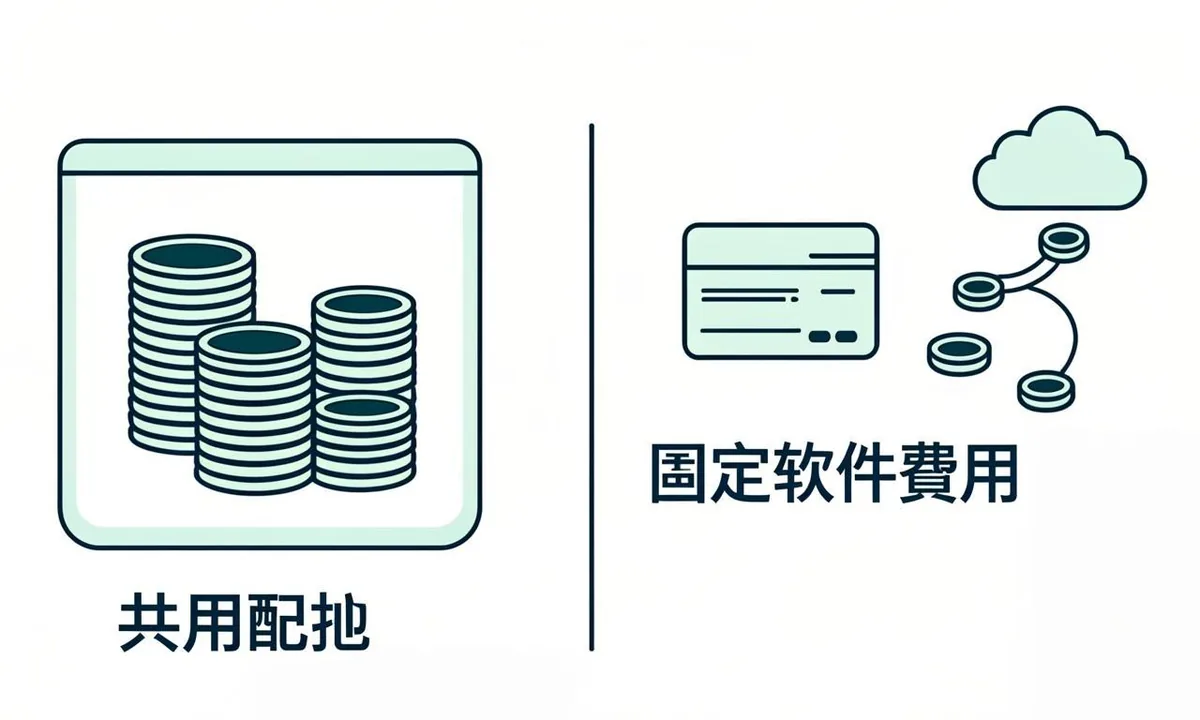
The current byok trend favors transparency because buyers want to see provider cost separately from software fees. Vendors also avoid margin risk when provider prices change, which speeds onboarding for larger accounts.
BYOK versus traditional SaaS versus self hosted
BYOK versus traditional SaaS versus self hosted deserves a plain definition before you act, because byok saas fails most often from vague ownership rather than hard technology. In this workflow you are the customer of the provider and the user of the tool, which means two dashboards matter: the provider console where quota and keys live, and the tool dashboard where jobs run. Start by naming the exact outcome you want, such as daily URL submissions under your own quota or predictable spend per project. Write that outcome in one sentence in your runbook. When everyone agrees on the outcome, later choices about scope, project separation, and logging become straightforward and easy to audit.
- Bundled SaaS hides provider cost. In the context of byok saas, this step protects quota, clarifies ownership, and keeps logs readable for the next review.
- BYOK shows provider cost separately. In the context of byok saas, this step protects quota, clarifies ownership, and keeps logs readable for the next review.
- Self hosted needs full maintenance. In the context of byok saas, this step protects quota, clarifies ownership, and keeps logs readable for the next review.
- BYOK keeps maintenance with vendor. In the context of byok saas, this step protects quota, clarifies ownership, and keeps logs readable for the next review.
- Choose by team size and skill. In the context of byok saas, this step protects quota, clarifies ownership, and keeps logs readable for the next review.
Why does byok versus traditional saas versus self hosted matter for teams running byok saas every week? Because small errors compound at scale. A key with too broad a role can touch projects it should never see. A missing log row turns a simple 403 into a day of guessing. A test job pointed at production can burn a full day of quota before lunch. Owners feel this as delayed launches and surprise costs. Developers feel it as noisy alerts and late fixes. A clear pattern for byok versus traditional saas versus self hosted removes that friction. You get faster reviews, calmer incidents, and numbers you can explain to clients without hedging.
To apply byok versus traditional saas versus self hosted in your byok saas workflow, follow a short repeatable loop. First, inventory the current state: which keys exist, where each one is stored, which scopes each one grants, and which jobs use it. Second, narrow scope to the minimum that still completes the job, using separate projects for production and testing. Third, move secrets into a vault with role based access and inject them at runtime instead of copying files. Fourth, run a small batch of five to ten real tasks and confirm response codes, log rows, and cost. Fifth, document the result with dates and owners so the next person does not start from zero.
A common mistake with byok versus traditional saas versus self hosted is treating it as a one time setup instead of a living control. Teams paste a key once, forget where copies live, and only revisit the topic after an auth failure or quota alert. The fix is a light routine: review scopes quarterly, confirm rotation dates on a shared calendar, check logs weekly at first then monthly, and test recovery steps before you need them. If you run byok saas across client sites, add per client notes so one incident never spreads across accounts. This steady rhythm takes less than an hour a month and prevents most urgent fixes.
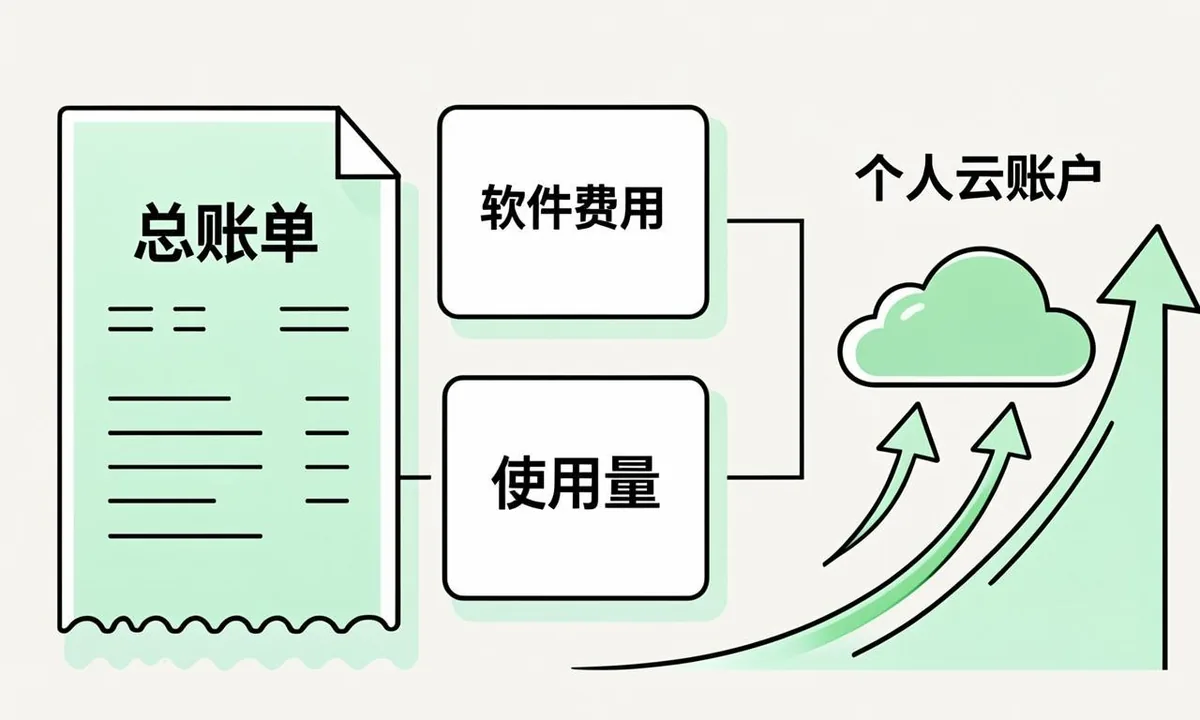
In a byok vs subscription comparison, bundled plans hide provider cost inside one price with markup. BYOK splits the platform fee from usage at cost, so heavy users save more as volume grows.
Where BYOK fits in SEO and indexing workflows
Where BYOK fits in SEO and indexing workflows deserves a plain definition before you act, because byok saas fails most often from vague ownership rather than hard technology. In this workflow you are the customer of the provider and the user of the tool, which means two dashboards matter: the provider console where quota and keys live, and the tool dashboard where jobs run. Start by naming the exact outcome you want, such as daily URL submissions under your own quota or predictable spend per project. Write that outcome in one sentence in your runbook. When everyone agrees on the outcome, later choices about scope, project separation, and logging become straightforward and easy to audit.
- Submit indexing URLs with your quota. In the context of byok saas, this step protects quota, clarifies ownership, and keeps logs readable for the next review.
- Sync sitemaps on publish. In the context of byok saas, this step protects quota, clarifies ownership, and keeps logs readable for the next review.
- Trigger recrawl after content refresh. In the context of byok saas, this step protects quota, clarifies ownership, and keeps logs readable for the next review.
- Monitor index status with your limits. In the context of byok saas, this step protects quota, clarifies ownership, and keeps logs readable for the next review.
- Combine Google API plus IndexNow. In the context of byok saas, this step protects quota, clarifies ownership, and keeps logs readable for the next review.
Why does where byok fits in seo and indexing workflows matter for teams running byok saas every week? Because small errors compound at scale. A key with too broad a role can touch projects it should never see. A missing log row turns a simple 403 into a day of guessing. A test job pointed at production can burn a full day of quota before lunch. Owners feel this as delayed launches and surprise costs. Developers feel it as noisy alerts and late fixes. A clear pattern for where byok fits in seo and indexing workflows removes that friction. You get faster reviews, calmer incidents, and numbers you can explain to clients without hedging.
To apply where byok fits in seo and indexing workflows in your byok saas workflow, follow a short repeatable loop. First, inventory the current state: which keys exist, where each one is stored, which scopes each one grants, and which jobs use it. Second, narrow scope to the minimum that still completes the job, using separate projects for production and testing. Third, move secrets into a vault with role based access and inject them at runtime instead of copying files. Fourth, run a small batch of five to ten real tasks and confirm response codes, log rows, and cost. Fifth, document the result with dates and owners so the next person does not start from zero.
A common mistake with where byok fits in seo and indexing workflows is treating it as a one time setup instead of a living control. Teams paste a key once, forget where copies live, and only revisit the topic after an auth failure or quota alert. The fix is a light routine: review scopes quarterly, confirm rotation dates on a shared calendar, check logs weekly at first then monthly, and test recovery steps before you need them. If you run byok saas across client sites, add per client notes so one incident never spreads across accounts. This steady rhythm takes less than an hour a month and prevents most urgent fixes.
| Check | What good looks like for byok saas |
|---|---|
| Scope | Least privilege on one project, test separated from prod |
| Storage | Vault with roles and MFA, no raw files in chat |
| Logging | Key fingerprint, time in UTC, code, and cost per call |
| Recovery | Overlap window, rollback version, owner on call |
Use this table during reviews. If any row is unclear for where byok fits in seo and indexing workflows, pause and fix that row before scaling volume. Clear rows now mean fewer incidents later, and each row maps directly to a line in your runbook.
The main byok benefits are lower unit cost at scale, clearer ownership of keys and logs, and faster incident review. Model totals for 10k, 100k, and 1M calls before you commit so growth stays predictable.
How BYOK pricing works and why it saves money
How BYOK pricing works and why it saves money deserves a plain definition before you act, because byok saas fails most often from vague ownership rather than hard technology. In this workflow you are the customer of the provider and the user of the tool, which means two dashboards matter: the provider console where quota and keys live, and the tool dashboard where jobs run. Start by naming the exact outcome you want, such as daily URL submissions under your own quota or predictable spend per project. Write that outcome in one sentence in your runbook. When everyone agrees on the outcome, later choices about scope, project separation, and logging become straightforward and easy to audit.
- Pay provider at cost for usage. In the context of byok saas, this step protects quota, clarifies ownership, and keeps logs readable for the next review.
- Pay vendor flat fee for software. In the context of byok saas, this step protects quota, clarifies ownership, and keeps logs readable for the next review.
- Compare total for 10k, 100k, 1M calls. In the context of byok saas, this step protects quota, clarifies ownership, and keeps logs readable for the next review.
- Watch retry and polling overhead. In the context of byok saas, this step protects quota, clarifies ownership, and keeps logs readable for the next review.
- Model growth before you commit. In the context of byok saas, this step protects quota, clarifies ownership, and keeps logs readable for the next review.
Why does how byok pricing works and why it saves money matter for teams running byok saas every week? Because small errors compound at scale. A key with too broad a role can touch projects it should never see. A missing log row turns a simple 403 into a day of guessing. A test job pointed at production can burn a full day of quota before lunch. Owners feel this as delayed launches and surprise costs. Developers feel it as noisy alerts and late fixes. A clear pattern for how byok pricing works and why it saves money removes that friction. You get faster reviews, calmer incidents, and numbers you can explain to clients without hedging.
To apply how byok pricing works and why it saves money in your byok saas workflow, follow a short repeatable loop. First, inventory the current state: which keys exist, where each one is stored, which scopes each one grants, and which jobs use it. Second, narrow scope to the minimum that still completes the job, using separate projects for production and testing. Third, move secrets into a vault with role based access and inject them at runtime instead of copying files. Fourth, run a small batch of five to ten real tasks and confirm response codes, log rows, and cost. Fifth, document the result with dates and owners so the next person does not start from zero.
A common mistake with how byok pricing works and why it saves money is treating it as a one time setup instead of a living control. Teams paste a key once, forget where copies live, and only revisit the topic after an auth failure or quota alert. The fix is a light routine: review scopes quarterly, confirm rotation dates on a shared calendar, check logs weekly at first then monthly, and test recovery steps before you need them. If you run byok saas across client sites, add per client notes so one incident never spreads across accounts. This steady rhythm takes less than an hour a month and prevents most urgent fixes.
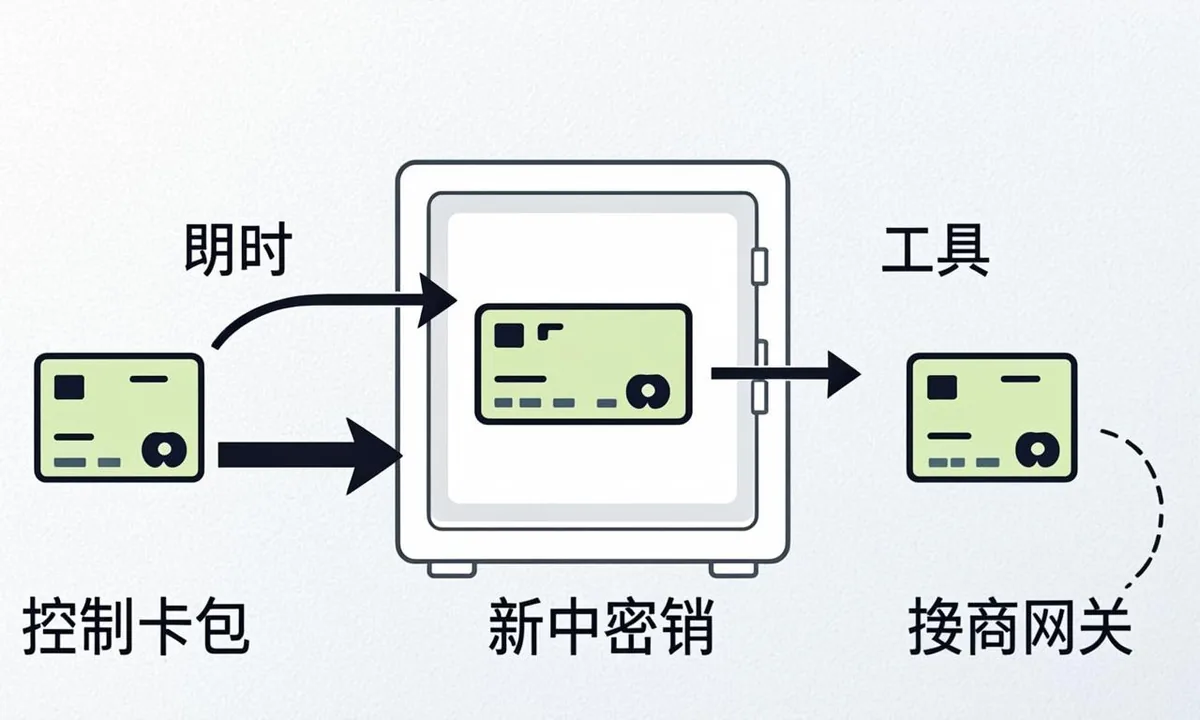
Strong byok security starts with least privilege scope, vault storage with MFA, and per key logging. Rotate on schedule and revoke in your own console the moment a key looks exposed.
Security advantages when you hold your own keys
Security advantages when you hold your own keys deserves a plain definition before you act, because byok saas fails most often from vague ownership rather than hard technology. In this workflow you are the customer of the provider and the user of the tool, which means two dashboards matter: the provider console where quota and keys live, and the tool dashboard where jobs run. Start by naming the exact outcome you want, such as daily URL submissions under your own quota or predictable spend per project. Write that outcome in one sentence in your runbook. When everyone agrees on the outcome, later choices about scope, project separation, and logging become straightforward and easy to audit.
- Revoke without vendor help. In the context of byok saas, this step protects quota, clarifies ownership, and keeps logs readable for the next review.
- Scope keys to one project. In the context of byok saas, this step protects quota, clarifies ownership, and keeps logs readable for the next review.
- Rotate on your schedule. In the context of byok saas, this step protects quota, clarifies ownership, and keeps logs readable for the next review.
- See usage in your own logs. In the context of byok saas, this step protects quota, clarifies ownership, and keeps logs readable for the next review.
- Limit blast radius by property. In the context of byok saas, this step protects quota, clarifies ownership, and keeps logs readable for the next review.
Why does security advantages when you hold your own keys matter for teams running byok saas every week? Because small errors compound at scale. A key with too broad a role can touch projects it should never see. A missing log row turns a simple 403 into a day of guessing. A test job pointed at production can burn a full day of quota before lunch. Owners feel this as delayed launches and surprise costs. Developers feel it as noisy alerts and late fixes. A clear pattern for security advantages when you hold your own keys removes that friction. You get faster reviews, calmer incidents, and numbers you can explain to clients without hedging.
To apply security advantages when you hold your own keys in your byok saas workflow, follow a short repeatable loop. First, inventory the current state: which keys exist, where each one is stored, which scopes each one grants, and which jobs use it. Second, narrow scope to the minimum that still completes the job, using separate projects for production and testing. Third, move secrets into a vault with role based access and inject them at runtime instead of copying files. Fourth, run a small batch of five to ten real tasks and confirm response codes, log rows, and cost. Fifth, document the result with dates and owners so the next person does not start from zero.
A common mistake with security advantages when you hold your own keys is treating it as a one time setup instead of a living control. Teams paste a key once, forget where copies live, and only revisit the topic after an auth failure or quota alert. The fix is a light routine: review scopes quarterly, confirm rotation dates on a shared calendar, check logs weekly at first then monthly, and test recovery steps before you need them. If you run byok saas across client sites, add per client notes so one incident never spreads across accounts. This steady rhythm takes less than an hour a month and prevents most urgent fixes.
 <!-- IMAGE-PROMPT workflow-02: 1600px max, DependsIt brand mint #22E3B0 on charcoal #121212, node-network line art, Clash Display style headings, General Sans clean labels, subject: Security advantages when you hold your own keys workflow for byok saas, flat vector, accessible, high contrast, no em dash -->
When you review byok software, check encrypted storage, scoped access, team roles, audit exports, and key validation on paste. Pick tools that guide setup step by step and show both platform and provider cost clearly.
Risks and trade offs of BYOK you should know
Risks and trade offs of BYOK you should know deserves a plain definition before you act, because byok saas fails most often from vague ownership rather than hard technology. In this workflow you are the customer of the provider and the user of the tool, which means two dashboards matter: the provider console where quota and keys live, and the tool dashboard where jobs run. Start by naming the exact outcome you want, such as daily URL submissions under your own quota or predictable spend per project. Write that outcome in one sentence in your runbook. When everyone agrees on the outcome, later choices about scope, project separation, and logging become straightforward and easy to audit.
- Key setup adds ten minutes. In the context of byok saas, this step protects quota, clarifies ownership, and keeps logs readable for the next review.
- Staff must learn Cloud console basics. In the context of byok saas, this step protects quota, clarifies ownership, and keeps logs readable for the next review.
- Debugging spans two dashboards. In the context of byok saas, this step protects quota, clarifies ownership, and keeps logs readable for the next review.
- Small sites may see little saving. In the context of byok saas, this step protects quota, clarifies ownership, and keeps logs readable for the next review.
- Plan support for key errors. In the context of byok saas, this step protects quota, clarifies ownership, and keeps logs readable for the next review.
Why does risks and trade offs of byok you should know matter for teams running byok saas every week? Because small errors compound at scale. A key with too broad a role can touch projects it should never see. A missing log row turns a simple 403 into a day of guessing. A test job pointed at production can burn a full day of quota before lunch. Owners feel this as delayed launches and surprise costs. Developers feel it as noisy alerts and late fixes. A clear pattern for risks and trade offs of byok you should know removes that friction. You get faster reviews, calmer incidents, and numbers you can explain to clients without hedging.
To apply risks and trade offs of byok you should know in your byok saas workflow, follow a short repeatable loop. First, inventory the current state: which keys exist, where each one is stored, which scopes each one grants, and which jobs use it. Second, narrow scope to the minimum that still completes the job, using separate projects for production and testing. Third, move secrets into a vault with role based access and inject them at runtime instead of copying files. Fourth, run a small batch of five to ten real tasks and confirm response codes, log rows, and cost. Fifth, document the result with dates and owners so the next person does not start from zero.
A common mistake with risks and trade offs of byok you should know is treating it as a one time setup instead of a living control. Teams paste a key once, forget where copies live, and only revisit the topic after an auth failure or quota alert. The fix is a light routine: review scopes quarterly, confirm rotation dates on a shared calendar, check logs weekly at first then monthly, and test recovery steps before you need them. If you run byok saas across client sites, add per client notes so one incident never spreads across accounts. This steady rhythm takes less than an hour a month and prevents most urgent fixes.
| Check | What good looks like for byok saas |
|---|---|
| Scope | Least privilege on one project, test separated from prod |
| Storage | Vault with roles and MFA, no raw files in chat |
| Logging | Key fingerprint, time in UTC, code, and cost per call |
| Recovery | Overlap window, rollback version, owner on call |
Use this table during reviews. If any row is unclear for risks and trade offs of byok you should know, pause and fix that row before scaling volume. Clear rows now mean fewer incidents later, and each row maps directly to a line in your runbook.
What to look for in a good BYOK tool
What to look for in a good BYOK tool deserves a plain definition before you act, because byok saas fails most often from vague ownership rather than hard technology. In this workflow you are the customer of the provider and the user of the tool, which means two dashboards matter: the provider console where quota and keys live, and the tool dashboard where jobs run. Start by naming the exact outcome you want, such as daily URL submissions under your own quota or predictable spend per project. Write that outcome in one sentence in your runbook. When everyone agrees on the outcome, later choices about scope, project separation, and logging become straightforward and easy to audit.
- Encrypted storage with access logs. In the context of byok saas, this step protects quota, clarifies ownership, and keeps logs readable for the next review.
- Clear scope and permission docs. In the context of byok saas, this step protects quota, clarifies ownership, and keeps logs readable for the next review.
- Rotation without downtime. In the context of byok saas, this step protects quota, clarifies ownership, and keeps logs readable for the next review.
- Transparent error messages. In the context of byok saas, this step protects quota, clarifies ownership, and keeps logs readable for the next review.
- Export of your history. In the context of byok saas, this step protects quota, clarifies ownership, and keeps logs readable for the next review.
Why does what to look for in a good byok tool matter for teams running byok saas every week? Because small errors compound at scale. A key with too broad a role can touch projects it should never see. A missing log row turns a simple 403 into a day of guessing. A test job pointed at production can burn a full day of quota before lunch. Owners feel this as delayed launches and surprise costs. Developers feel it as noisy alerts and late fixes. A clear pattern for what to look for in a good byok tool removes that friction. You get faster reviews, calmer incidents, and numbers you can explain to clients without hedging.
To apply what to look for in a good byok tool in your byok saas workflow, follow a short repeatable loop. First, inventory the current state: which keys exist, where each one is stored, which scopes each one grants, and which jobs use it. Second, narrow scope to the minimum that still completes the job, using separate projects for production and testing. Third, move secrets into a vault with role based access and inject them at runtime instead of copying files. Fourth, run a small batch of five to ten real tasks and confirm response codes, log rows, and cost. Fifth, document the result with dates and owners so the next person does not start from zero.
A common mistake with what to look for in a good byok tool is treating it as a one time setup instead of a living control. Teams paste a key once, forget where copies live, and only revisit the topic after an auth failure or quota alert. The fix is a light routine: review scopes quarterly, confirm rotation dates on a shared calendar, check logs weekly at first then monthly, and test recovery steps before you need them. If you run byok saas across client sites, add per client notes so one incident never spreads across accounts. This steady rhythm takes less than an hour a month and prevents most urgent fixes.
How to adopt BYOK in your team step by step
How to adopt BYOK in your team step by step deserves a plain definition before you act, because byok saas fails most often from vague ownership rather than hard technology. In this workflow you are the customer of the provider and the user of the tool, which means two dashboards matter: the provider console where quota and keys live, and the tool dashboard where jobs run. Start by naming the exact outcome you want, such as daily URL submissions under your own quota or predictable spend per project. Write that outcome in one sentence in your runbook. When everyone agrees on the outcome, later choices about scope, project separation, and logging become straightforward and easy to audit.
- Inventory current API spend. In the context of byok saas, this step protects quota, clarifies ownership, and keeps logs readable for the next review.
- Create dedicated Cloud project. In the context of byok saas, this step protects quota, clarifies ownership, and keeps logs readable for the next review.
- Issue least privilege keys. In the context of byok saas, this step protects quota, clarifies ownership, and keeps logs readable for the next review.
- Connect one low risk workflow first. In the context of byok saas, this step protects quota, clarifies ownership, and keeps logs readable for the next review.
- Expand after two clean weeks. In the context of byok saas, this step protects quota, clarifies ownership, and keeps logs readable for the next review.
Why does how to adopt byok in your team step by step matter for teams running byok saas every week? Because small errors compound at scale. A key with too broad a role can touch projects it should never see. A missing log row turns a simple 403 into a day of guessing. A test job pointed at production can burn a full day of quota before lunch. Owners feel this as delayed launches and surprise costs. Developers feel it as noisy alerts and late fixes. A clear pattern for how to adopt byok in your team step by step removes that friction. You get faster reviews, calmer incidents, and numbers you can explain to clients without hedging.
To apply how to adopt byok in your team step by step in your byok saas workflow, follow a short repeatable loop. First, inventory the current state: which keys exist, where each one is stored, which scopes each one grants, and which jobs use it. Second, narrow scope to the minimum that still completes the job, using separate projects for production and testing. Third, move secrets into a vault with role based access and inject them at runtime instead of copying files. Fourth, run a small batch of five to ten real tasks and confirm response codes, log rows, and cost. Fifth, document the result with dates and owners so the next person does not start from zero.
A common mistake with how to adopt byok in your team step by step is treating it as a one time setup instead of a living control. Teams paste a key once, forget where copies live, and only revisit the topic after an auth failure or quota alert. The fix is a light routine: review scopes quarterly, confirm rotation dates on a shared calendar, check logs weekly at first then monthly, and test recovery steps before you need them. If you run byok saas across client sites, add per client notes so one incident never spreads across accounts. This steady rhythm takes less than an hour a month and prevents most urgent fixes.
When BYOK is not the right choice
When BYOK is not the right choice deserves a plain definition before you act, because byok saas fails most often from vague ownership rather than hard technology. In this workflow you are the customer of the provider and the user of the tool, which means two dashboards matter: the provider console where quota and keys live, and the tool dashboard where jobs run. Start by naming the exact outcome you want, such as daily URL submissions under your own quota or predictable spend per project. Write that outcome in one sentence in your runbook. When everyone agrees on the outcome, later choices about scope, project separation, and logging become straightforward and easy to audit.
- Tiny usage under free tier. In the context of byok saas, this step protects quota, clarifies ownership, and keeps logs readable for the next review.
- No staff to manage Cloud. In the context of byok saas, this step protects quota, clarifies ownership, and keeps logs readable for the next review.
- Short one off project. In the context of byok saas, this step protects quota, clarifies ownership, and keeps logs readable for the next review.
- Strict vendor needs full control. In the context of byok saas, this step protects quota, clarifies ownership, and keeps logs readable for the next review.
- Regulated data with fixed stack. In the context of byok saas, this step protects quota, clarifies ownership, and keeps logs readable for the next review.
Why does when byok is not the right choice matter for teams running byok saas every week? Because small errors compound at scale. A key with too broad a role can touch projects it should never see. A missing log row turns a simple 403 into a day of guessing. A test job pointed at production can burn a full day of quota before lunch. Owners feel this as delayed launches and surprise costs. Developers feel it as noisy alerts and late fixes. A clear pattern for when byok is not the right choice removes that friction. You get faster reviews, calmer incidents, and numbers you can explain to clients without hedging.
To apply when byok is not the right choice in your byok saas workflow, follow a short repeatable loop. First, inventory the current state: which keys exist, where each one is stored, which scopes each one grants, and which jobs use it. Second, narrow scope to the minimum that still completes the job, using separate projects for production and testing. Third, move secrets into a vault with role based access and inject them at runtime instead of copying files. Fourth, run a small batch of five to ten real tasks and confirm response codes, log rows, and cost. Fifth, document the result with dates and owners so the next person does not start from zero.
A common mistake with when byok is not the right choice is treating it as a one time setup instead of a living control. Teams paste a key once, forget where copies live, and only revisit the topic after an auth failure or quota alert. The fix is a light routine: review scopes quarterly, confirm rotation dates on a shared calendar, check logs weekly at first then monthly, and test recovery steps before you need them. If you run byok saas across client sites, add per client notes so one incident never spreads across accounts. This steady rhythm takes less than an hour a month and prevents most urgent fixes.
FAQ
What does BYOK mean in simple terms?
It means the software runs the workflow but your API key pays for and authorizes the provider calls. You create the key in your own Cloud account, connect it once, and every request counts against your quota. You can revoke access any time without asking the vendor. This keeps billing transparent and control with you. Track the outcome in your log with date and owner so the next review starts from facts. If results differ from expectations, check scopes, quota, and recent rotations before changing the workflow itself. In short, byok meaning is you own the key while the tool runs the job for you.
How is BYOK different from a normal subscription?
A normal subscription bundles software and API cost into one price with a markup. BYOK splits them. You pay a smaller platform fee plus provider usage at cost. If you use little, you save. If you scale, savings grow because you avoid per unit markups. Reports show both parts separately. Track the outcome in your log with date and owner so the next review starts from facts. If results differ from expectations, check scopes, quota, and recent rotations before changing the workflow itself. A byok vs subscription review shows split billing with provider usage at cost.
Do I need technical skill to use BYOK?
You need basic Cloud console skill to create a project, enable an API, and create a key. Most teams learn this in under an hour with a checklist. After setup, daily use looks like normal software. Good BYOK tools guide key creation step by step and validate keys on paste. Track the outcome in your log with date and owner so the next review starts from facts. If results differ from expectations, check scopes, quota, and recent rotations before changing the workflow itself. Many byok examples use guided wizards that validate the key on paste.
Is BYOK safer than sharing passwords?
Yes when done correctly. Keys stay scoped to one project with limited roles, usage appears in your logs, and revocation is instant in your console. Risks fall when you use a vault, rotate on schedule, and avoid pasting keys in chat or tickets. Review vendor storage before you connect. Track the outcome in your log with date and owner so the next review starts from facts. If results differ from expectations, check scopes, quota, and recent rotations before changing the workflow itself. Good byok security uses vault storage, scoped roles, and instant revocation.
Why would a vendor prefer BYOK?
Vendors avoid margin risk when provider prices change and avoid policing shared quota pools. Support gets simpler because overuse bills the customer directly. Enterprise buyers prefer it for compliance since keys and logs stay in their account. Vendors can focus on workflow quality instead of reselling calls. Track the outcome in your log with date and owner so the next review starts from facts. If results differ from expectations, check scopes, quota, and recent rotations before changing the workflow itself. The byok trend helps vendors avoid shared quota policing and margin risk.
When should I avoid BYOK?
Avoid it for tiny one off tasks where setup time exceeds savings, or when no staff can manage Cloud access. If a workflow needs deep vendor control over infra, a bundled plan may fit better. Start with one pilot workflow, measure total cost and time, then decide. Track the outcome in your log with date and owner so the next review starts from facts. If results differ from expectations, check scopes, quota, and recent rotations before changing the workflow itself. The main byok benefits fade for tiny one off tasks, and some byok software needs basic Cloud skill.