Does IndexNow Affect Rankings? What the Data Says

Many site owners ask does IndexNow affect rankings when they want faster results after they start pinging search engines. IndexNow is an open protocol co-developed by Microsoft Bing and Yandex that tells participating engines about changed URLs so they can be crawled sooner. That shorter path from publish to crawl is useful, but crawling is only the first step, and ranking is decided later by separate quality and relevance systems. This guide explains the difference in plain terms.
Readers of this guide will learn what IndexNow changes, what still decides positions, why faster discovery sometimes looks like a ranking lift, and how to measure the effect without fooling yourself. It is written for site owners, SEOs, and developers who run content sites, stores, or docs and need honest expectations. You will finish with a simple test plan, a reporting split between crawl clocks and rank clocks, and clear language for stakeholders.
Key takeaways
- IndexNow is a discovery signal that can shorten time to crawl, not a ranking boost on its own.
- Rankings still depend on relevance, quality, intent match, links, and page experience.
- Faster crawling can look like a ranking lift when fresh pages appear sooner in results.
- Google does not support IndexNow, so Google rankings follow separate crawl paths.
- What IndexNow actually does in plain terms
- What still decides rankings after the crawl
- Why faster discovery can look like a ranking lift
- What the protocol promises and what it never claims
- How Bing and Yandex handle a valid ping
- Why Google rankings stay on a separate path
- Does IndexNow Affect Rankings? Common Myths to Retire
- How to measure effect without fooling yourself
- When faster crawling helps results indirectly
- When IndexNow changes nothing for rankings
- A practical rollout that respects ranking reality

What IndexNow actually does in plain terms
IndexNow lets a site notify participating engines when a URL is added, updated, or deleted, using a simple key file at the site root plus a JSON request with host, key, and URL list. Engines verify the key, accept the batch, and schedule fetches based on trust, load, and URL value. A 200 or 202 response means the ping was accepted, not that the page is indexed or ranked. The protocol moves discovery earlier, which is valuable for fresh content.
For does indexnow affect rankings, this boundary matters. The ping shortens the idle wait where a new page sits unknown to supporters such as Bing, Yandex, Naver, and Seznam. After the fetch, each engine still runs its own indexing and ranking steps, including text understanding, duplicate handling, and spam checks. Faster notice cannot add relevance, fix thin content, or create links. It only gives quality pages a sooner chance to be judged.
For teams tracking does indexnow affect rankings, the practical link to what indexnow actually does in plain terms is discovery speed, not a direct position change. When a changed URL is pinged cleanly, participating engines can fetch it sooner, which shortens the wait between publish and crawl. That earlier crawl still passes through the normal quality checks, so relevance, intent match, and page experience decide where the page can rank. Treat what indexnow actually does in plain terms as a way to remove delay, then let content quality do the ranking work.
A common mistake around what indexnow actually does in plain terms is sending noisy signals and then reading the noise as a ranking effect. Repeated pings for unchanged URLs, pings for non canonical variants, and pings for thin pages all waste attention and can slow trust. Deduplicate the queue, ping only canonical URLs that actually changed, and space batches so engines see a steady pattern. Clean sends make crawl logs easier to read and keep does indexnow affect rankings work credible with stakeholders.
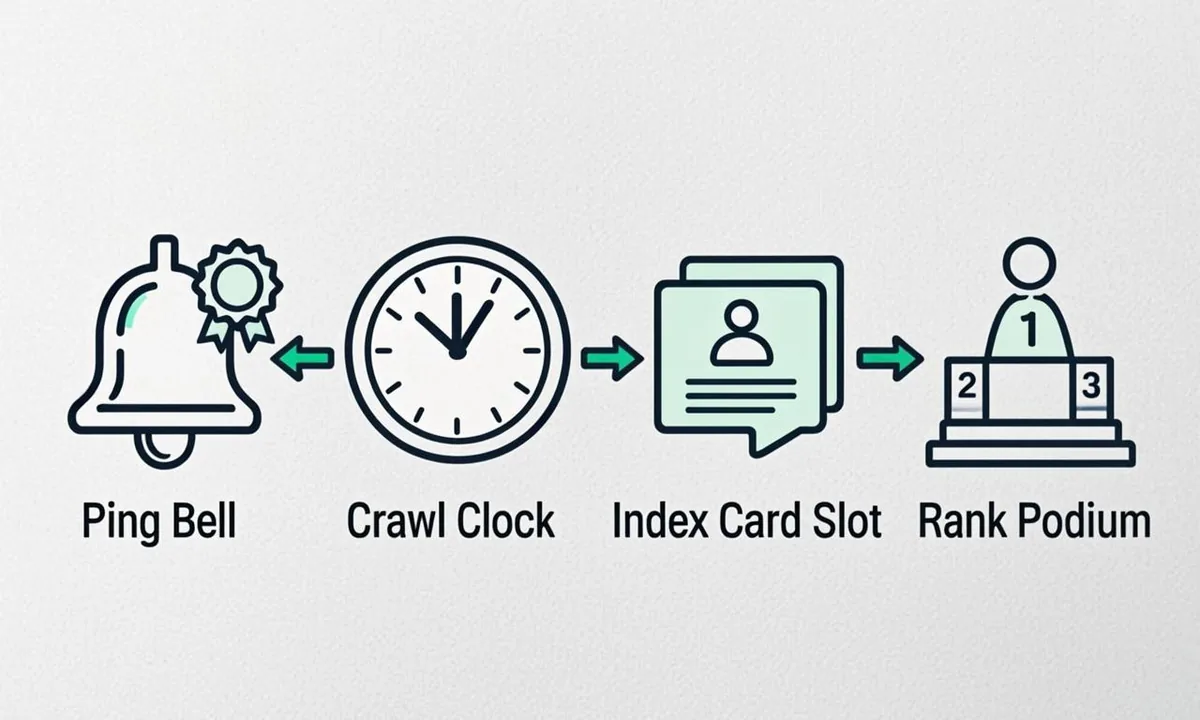
Stakeholder reporting on what indexnow actually does in plain terms should separate three clocks: time to ping, time to crawl, and time to rank. The first two often improve with does indexnow affect rankings because engines learn about changes sooner. The third depends on competition, query intent, and page quality, which pings cannot change. Report all three side by side so faster discovery is visible even when positions move slowly. That honest split builds trust in the indexing work.
When you review what indexnow actually does in plain terms, keep sitemaps, internal links, canonical tags, and server health in the same picture. IndexNow complements these foundations, it does not replace them. A clean XML sitemap still lists the canonical set, internal links still pass context, and a stable server still lets crawlers finish the job. If any of those basics are broken, faster pings cannot fix the outcome. Fix structure first, then use does indexnow affect rankings pings to surface fresh URLs sooner.
| Stage | What happens | Who decides |
|---|---|---|
| Ping | Site notifies engines of changed URLs | Site |
| Crawl | Engine fetches the URL when capacity allows | Engine |
| Index | Engine stores and evaluates the page | Engine |
| Rank | Engine orders results for each query | Engine |
Checklist for this section:
- Ping means notice of change, not a vote for position.
- 200 or 202 means accepted, crawl still follows later.
- Each supporter keeps its own quality and ranking filters.
- Faster discovery helps fresh pages meet demand sooner.
Work through this part before moving on, and record the date and result so later reviews have facts to use.
What still decides rankings after the crawl
Rankings respond to query intent, topical depth, page experience, internal context, and link signals, not to the ping channel that introduced the URL. Two pages found on the same day can rank far apart because one answers the query more completely, loads cleanly, and sits in a clear site structure. IndexNow does not change that scoring. It only affects how quickly the page joins the candidate set.
Site teams sometimes expect a submission tool to carry ranking weight, but search systems keep discovery and ranking in separate layers on purpose. That is why the true indexnow seo value is faster consideration, while the measured indexnow ranking impact stays near zero for stable evergreen queries. Discovery answers which URLs to fetch, while ranking answers which fetched pages best satisfy each query. Keeping those layers apart helps you diagnose correctly. If a pinged page is crawled but ranks low, the fix is content and structure, not more pings.
When you review what still decides rankings after the crawl, keep sitemaps, internal links, canonical tags, and server health in the same picture. IndexNow complements these foundations, it does not replace them. A clean XML sitemap still lists the canonical set, internal links still pass context, and a stable server still lets crawlers finish the job. If any of those basics are broken, faster pings cannot fix the outcome. Fix structure first, then use does indexnow affect rankings pings to surface fresh URLs sooner.
From an operations view, what still decides rankings after the crawl needs a short checklist and one owner. Confirm the key file is reachable, confirm each batch used valid JSON with host and key fields, confirm response codes were logged, and confirm the crawl followed within the expected window. When a step fails, fix that step before resending the same URLs. This keeps does indexnow affect rankings effort tied to verifiable actions instead of guesses about ranking moves.
When what still decides rankings after the crawl involves Bing or Yandex, remember that each supporter applies its own crawl and quality filters after the ping. A 200 or 202 response means the submission was accepted, not that the URL will be indexed or ranked. Watch bot hits in server logs, then check index coverage in the relevant webmaster tools. Use that chain as proof that does indexnow affect rankings did its part, and treat ranking separately as a content and relevance task.
Measurement for what still decides rankings after the crawl works best with dates and server logs rather than rank snapshots alone. Record when each URL was published, when it was pinged, when the engine fetched it, and when it first appeared in results. Compare pinged URLs against a small control set that was left to natural discovery. This shows whether does indexnow affect rankings shortened time to crawl without confusing crawl speed with ranking strength. Keep the test window to a few weeks so seasonal moves do not blur the read.
Checklist for this section:
- Intent match and depth decide most competitive gaps.
- Page experience and stability shape eligibility.
- Internal links add context that pings cannot add.
- External references still signal trust for many queries.
Background on the open protocol helps here, see the complete IndexNow protocol guide for the full flow from key file to batch acceptance.
Work through this part before moving on, and record the date and result so later reviews have facts to use.
Why faster discovery can look like a ranking lift
When a new post or changed product page is crawled within hours instead of days, it can appear in results for fresh queries much sooner, and that early visibility feels like a boost. In many cases the page would have ranked the same once found, so the gain is timing rather than a higher score. For news, product launches, and corrected pages, timing alone has real business value even when the underlying rank is unchanged.
The confusion grows when teams compare dates without a control set. A page published and pinged on Monday that ranks on Wednesday looks improved, but an unpinged page might also have been found by Tuesday through sitemaps or links. Without logging publish time, ping time, first crawl, and first impression separately, it is easy to credit the ping for work done by other paths. Clean logs keep the story honest.
Measurement for why faster discovery can look like a ranking lift works best with dates and server logs rather than rank snapshots alone. Record when each URL was published, when it was pinged, when the engine fetched it, and when it first appeared in results. Compare pinged URLs against a small control set that was left to natural discovery. This shows whether does indexnow affect rankings shortened time to crawl without confusing crawl speed with ranking strength. Keep the test window to a few weeks so seasonal moves do not blur the read.
For why faster discovery can look like a ranking lift, think in terms of crawl budget and priority rather than positions. Engines allocate fetch capacity based on site trust, change rate, and URL value. A focused set of changed canonical URLs earns faster revisits than a bulk dump of everything. Prioritize updated posts, changed product pages, and corrected canonicals, and leave evergreen URLs to sitemaps and natural recrawl. This is how does indexnow affect rankings helps important pages get seen sooner without spamming.
For teams tracking does indexnow affect rankings, the practical link to why faster discovery can look like a ranking lift is discovery speed, not a direct position change. When a changed URL is pinged cleanly, participating engines can fetch it sooner, which shortens the wait between publish and crawl. That earlier crawl still passes through the normal quality checks, so relevance, intent match, and page experience decide where the page can rank. Treat why faster discovery can look like a ranking lift as a way to remove delay, then let content quality do the ranking work.
A common mistake around why faster discovery can look like a ranking lift is sending noisy signals and then reading the noise as a ranking effect. Repeated pings for unchanged URLs, pings for non canonical variants, and pings for thin pages all waste attention and can slow trust. Deduplicate the queue, ping only canonical URLs that actually changed, and space batches so engines see a steady pattern. Clean sends make crawl logs easier to read and keep does indexnow affect rankings work credible with stakeholders.
Checklist for this section:
- Early appearance is often timing, not a higher score.
- Fresh queries reward speed more than evergreen queries.
- Control URLs show what would have happened anyway.
- Log four dates for every test URL.
Work through this part before moving on, and record the date and result so later reviews have facts to use.
What the protocol promises and what it never claims
The public IndexNow documentation describes a simple notification method with key based ownership, URL lists, and batch limits, plus response codes that tell you whether the batch was accepted. Discussions of indexnow vs organic crawl show the ping path is shorter than waiting for the next sitemap poll, yet the indexnow reality is that each engine still applies its own quality filters. It does not describe ranking weight, position boosts, or guaranteed indexing. That silence is deliberate. The protocol is a shared hint format, and each engine decides how to use the hint inside its own crawl scheduling.
For honest planning, read the spec as a delivery contract rather than a ranking promise. Your side promises clean canonical URLs, a reachable key file, valid JSON, and sensible pacing. The engine side promises to consider the hint promptly. Indexing and ranking remain engine decisions based on quality. Teams that quote the spec this way set better expectations with clients and managers.
A common mistake around what the protocol promises and what it never claims is sending noisy signals and then reading the noise as a ranking effect. Repeated pings for unchanged URLs, pings for non canonical variants, and pings for thin pages all waste attention and can slow trust. Deduplicate the queue, ping only canonical URLs that actually changed, and space batches so engines see a steady pattern. Clean sends make crawl logs easier to read and keep does indexnow affect rankings work credible with stakeholders.
Stakeholder reporting on what the protocol promises and what it never claims should separate three clocks: time to ping, time to crawl, and time to rank. The first two often improve with does indexnow affect rankings because engines learn about changes sooner. The third depends on competition, query intent, and page quality, which pings cannot change. Report all three side by side so faster discovery is visible even when positions move slowly. That honest split builds trust in the indexing work.
When you review what the protocol promises and what it never claims, keep sitemaps, internal links, canonical tags, and server health in the same picture. IndexNow complements these foundations, it does not replace them. A clean XML sitemap still lists the canonical set, internal links still pass context, and a stable server still lets crawlers finish the job. If any of those basics are broken, faster pings cannot fix the outcome. Fix structure first, then use does indexnow affect rankings pings to surface fresh URLs sooner.
From an operations view, what the protocol promises and what it never claims needs a short checklist and one owner. Confirm the key file is reachable, confirm each batch used valid JSON with host and key fields, confirm response codes were logged, and confirm the crawl followed within the expected window. When a step fails, fix that step before resending the same URLs. This keeps does indexnow affect rankings effort tied to verifiable actions instead of guesses about ranking moves.
Checklist for this section:
- Spec covers format, auth, batches, and responses.
- No clause promises indexing or positions.
- Your duty is clean sends and valid keys.
- Engine duty is prompt consideration, not guaranteed rank.
The open spec is short and worth reading once, see IndexNow documentation for the exact fields and response meanings.
Work through this part before moving on, and record the date and result so later reviews have facts to use.
How Bing and Yandex handle a valid ping
Bing documents IndexNow as a way to notify the engine of fresh and changed URLs, with verification through the key file and normal crawl follow up. Yandex describes similar handling inside its webmaster support, where valid pings join the crawl queue alongside sitemap and natural discovery inputs. Both systems still filter duplicates, thin pages, and spam after the fetch. Acceptance is fast, judgment stays careful.
This two step pattern explains most field reports. Sites often see bot hits within hours of a clean batch, then see index coverage follow over days as quality checks complete. Pages with clear purpose and clean canonicals move through faster than parameter variants or near duplicates. The ping opens the door, content quality walks through it. Track bot hits first, then coverage, then impressions, in that order.
From an operations view, how bing and yandex handle a valid ping needs a short checklist and one owner. Confirm the key file is reachable, confirm each batch used valid JSON with host and key fields, confirm response codes were logged, and confirm the crawl followed within the expected window. When a step fails, fix that step before resending the same URLs. This keeps does indexnow affect rankings effort tied to verifiable actions instead of guesses about ranking moves.
When how bing and yandex handle a valid ping involves Bing or Yandex, remember that each supporter applies its own crawl and quality filters after the ping. A 200 or 202 response means the submission was accepted, not that the URL will be indexed or ranked. Watch bot hits in server logs, then check index coverage in the relevant webmaster tools. Use that chain as proof that does indexnow affect rankings did its part, and treat ranking separately as a content and relevance task.
Measurement for how bing and yandex handle a valid ping works best with dates and server logs rather than rank snapshots alone. Record when each URL was published, when it was pinged, when the engine fetched it, and when it first appeared in results. Compare pinged URLs against a small control set that was left to natural discovery. This shows whether does indexnow affect rankings shortened time to crawl without confusing crawl speed with ranking strength. Keep the test window to a few weeks so seasonal moves do not blur the read.
For how bing and yandex handle a valid ping, think in terms of crawl budget and priority rather than positions. Engines allocate fetch capacity based on site trust, change rate, and URL value. A focused set of changed canonical URLs earns faster revisits than a bulk dump of everything. Prioritize updated posts, changed product pages, and corrected canonicals, and leave evergreen URLs to sitemaps and natural recrawl. This is how does indexnow affect rankings helps important pages get seen sooner without spamming.
Checklist for this section:
- Bot fetch often follows within hours for trusted sites.
- Coverage follows over days as checks complete.
- Duplicates and thin pages still stall after fetch.
- Track fetch, then coverage, then impressions.
Work through this part before moving on, and record the date and result so later reviews have facts to use.
Why Google rankings stay on a separate path
Google does not support IndexNow, so pings never enter Google crawl scheduling. Google relies on sitemaps, internal links, Search Console inspection, and the Google Indexing API for JobPosting and BroadcastEvent pages only. A page that is pinged for Bing and Yandex still waits for Google normal discovery unless you also maintain sitemaps and links. This split surprises teams that assume one ping covers every engine.
For does indexnow affect rankings on Google, the honest answer is no direct effect, because the signal never reaches that system. Any Google movement after you adopt IndexNow usually comes from parallel fixes such as cleaner sitemaps, better internal linking, or fresher content during the same period. Keep Google reporting separate, and keep investing in sitemaps, structure, and content for that audience.
For why google rankings stay on a separate path, think in terms of crawl budget and priority rather than positions. Engines allocate fetch capacity based on site trust, change rate, and URL value. A focused set of changed canonical URLs earns faster revisits than a bulk dump of everything. Prioritize updated posts, changed product pages, and corrected canonicals, and leave evergreen URLs to sitemaps and natural recrawl. This is how does indexnow affect rankings helps important pages get seen sooner without spamming.
For teams tracking does indexnow affect rankings, the practical link to why google rankings stay on a separate path is discovery speed, not a direct position change. When a changed URL is pinged cleanly, participating engines can fetch it sooner, which shortens the wait between publish and crawl. That earlier crawl still passes through the normal quality checks, so relevance, intent match, and page experience decide where the page can rank. Treat why google rankings stay on a separate path as a way to remove delay, then let content quality do the ranking work.
A common mistake around why google rankings stay on a separate path is sending noisy signals and then reading the noise as a ranking effect. Repeated pings for unchanged URLs, pings for non canonical variants, and pings for thin pages all waste attention and can slow trust. Deduplicate the queue, ping only canonical URLs that actually changed, and space batches so engines see a steady pattern. Clean sends make crawl logs easier to read and keep does indexnow affect rankings work credible with stakeholders.
Stakeholder reporting on why google rankings stay on a separate path should separate three clocks: time to ping, time to crawl, and time to rank. The first two often improve with does indexnow affect rankings because engines learn about changes sooner. The third depends on competition, query intent, and page quality, which pings cannot change. Report all three side by side so faster discovery is visible even when positions move slowly. That honest split builds trust in the indexing work.
Checklist for this section:
- Google does not consume IndexNow pings.
- Google uses sitemaps, links, and its own API for eligible types.
- Bing wins do not transfer to Google automatically.
- Maintain both tracks if both audiences matter.
Google coverage follows different rails, see why Google does not support IndexNow before promising cross engine effects.
Work through this part before moving on, and record the date and result so later reviews have facts to use.
Does IndexNow Affect Rankings? Common Myths to Retire
One myth says IndexNow is a ranking factor you can buy with volume, so more pings should mean higher positions. In practice volume without change history looks like noise and can slow trust. Another myth says a 202 response equals indexed and ranked, when it only means accepted for consideration. A third myth says IndexNow replaces sitemaps, when sitemaps still carry the canonical inventory that makes pings interpretable.
Clear language helps here. Call IndexNow a discovery accelerator, call content and links the ranking drivers, and call sitemaps the inventory list. When stakeholders ask for a position guarantee, show the three clocks of ping, crawl, and rank, and agree to judge the ping only on the first two. That framing keeps budgets tied to real crawl gains rather than hoped rank jumps.
Stakeholder reporting on common myths to retire with stakeholders should separate three clocks: time to ping, time to crawl, and time to rank. The first two often improve with does indexnow affect rankings because engines learn about changes sooner. The third depends on competition, query intent, and page quality, which pings cannot change. Report all three side by side so faster discovery is visible even when positions move slowly. That honest split builds trust in the indexing work.
When you review common myths to retire with stakeholders, keep sitemaps, internal links, canonical tags, and server health in the same picture. IndexNow complements these foundations, it does not replace them. A clean XML sitemap still lists the canonical set, internal links still pass context, and a stable server still lets crawlers finish the job. If any of those basics are broken, faster pings cannot fix the outcome. Fix structure first, then use does indexnow affect rankings pings to surface fresh URLs sooner.
From an operations view, common myths to retire with stakeholders needs a short checklist and one owner. Confirm the key file is reachable, confirm each batch used valid JSON with host and key fields, confirm response codes were logged, and confirm the crawl followed within the expected window. When a step fails, fix that step before resending the same URLs. This keeps does indexnow affect rankings effort tied to verifiable actions instead of guesses about ranking moves.
When common myths to retire with stakeholders involves Bing or Yandex, remember that each supporter applies its own crawl and quality filters after the ping. A 200 or 202 response means the submission was accepted, not that the URL will be indexed or ranked. Watch bot hits in server logs, then check index coverage in the relevant webmaster tools. Use that chain as proof that does indexnow affect rankings did its part, and treat ranking separately as a content and relevance task.
Checklist for this section:
- Volume is not a ranking lever, clean change history is.
- 202 means accepted, not indexed or ranked.
- Sitemaps remain the canonical inventory.
- Judge pings on crawl clocks, not position clocks.
Work through this part before moving on, and record the date and result so later reviews have facts to use.
How to measure effect without fooling yourself
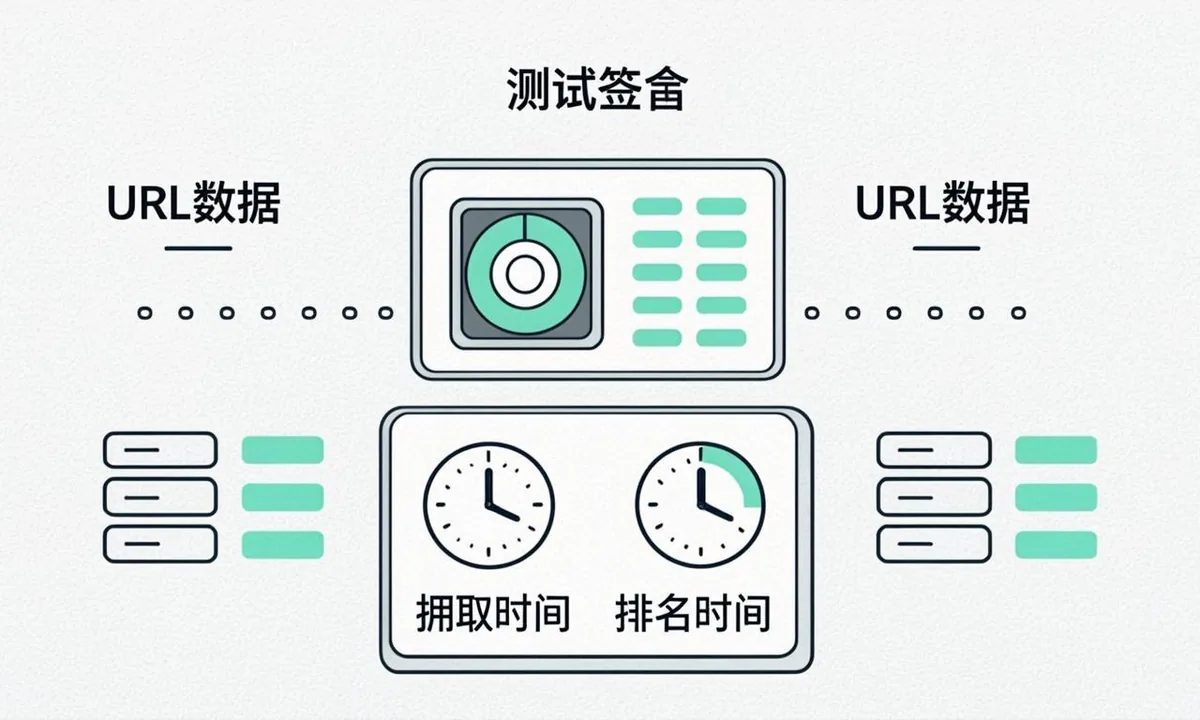
A simple test uses two matched sets of new or updated URLs with similar type, depth, and internal links. Track indexnow crawl rate on the pinged set with server logs, and compare faster indexing rankings claims against actual time to first impression. Ping one set through IndexNow and leave the other to sitemaps and natural discovery, then record publish time, ping time, first bot fetch from server logs, first index appearance, and first impression in webmaster tools. Run the test for two to four weeks so both sets meet normal crawl rhythms. The gap in time to fetch and time to index is the honest effect size.
Avoid reading rank alone during the test, since competition and query mix move positions for reasons outside the ping. Also avoid changing templates, titles, or internal links mid test, because those edits add ranking effects that blur the discovery read. Keep content frozen except for the planned updates, and document every change. Small discipline here produces reports that survive review.
When how to measure effect without fooling yourself involves Bing or Yandex, remember that each supporter applies its own crawl and quality filters after the ping. A 200 or 202 response means the submission was accepted, not that the URL will be indexed or ranked. Watch bot hits in server logs, then check index coverage in the relevant webmaster tools. Use that chain as proof that does indexnow affect rankings did its part, and treat ranking separately as a content and relevance task.
Measurement for how to measure effect without fooling yourself works best with dates and server logs rather than rank snapshots alone. Record when each URL was published, when it was pinged, when the engine fetched it, and when it first appeared in results. Compare pinged URLs against a small control set that was left to natural discovery. This shows whether does indexnow affect rankings shortened time to crawl without confusing crawl speed with ranking strength. Keep the test window to a few weeks so seasonal moves do not blur the read.
For how to measure effect without fooling yourself, think in terms of crawl budget and priority rather than positions. Engines allocate fetch capacity based on site trust, change rate, and URL value. A focused set of changed canonical URLs earns faster revisits than a bulk dump of everything. Prioritize updated posts, changed product pages, and corrected canonicals, and leave evergreen URLs to sitemaps and natural recrawl. This is how does indexnow affect rankings helps important pages get seen sooner without spamming.
For teams tracking does indexnow affect rankings, the practical link to how to measure effect without fooling yourself is discovery speed, not a direct position change. When a changed URL is pinged cleanly, participating engines can fetch it sooner, which shortens the wait between publish and crawl. That earlier crawl still passes through the normal quality checks, so relevance, intent match, and page experience decide where the page can rank. Treat how to measure effect without fooling yourself as a way to remove delay, then let content quality do the ranking work.
Checklist for this section:
- Match sets on type, depth, and link support.
- Record five timestamps per URL.
- Freeze templates during the test window.
- Report time to crawl and time to index separately.
{
  "host": "www.example.com",
  "key": "a1b2c3d4e5f6a7b8c9d0e1f2a3b4c5d6",
  "keyLocation": "https://www.example.com/a1b2c3d4e5f6a7b8c9d0e1f2a3b4c5d6.txt",
  "urlList": [
    "https://www.example.com/blog/fresh-post-a/",
    "https://www.example.com/blog/fresh-post-b/"
  ]
}
Work through this part before moving on, and record the date and result so later reviews have facts to use.
When faster crawling helps results indirectly
Speed helps most when demand is time shaped, such as breaking guides, price changes, stock updates, corrections, and event pages. A page that is crawled before the demand peak can earn clicks, links, and engagement that later support stronger ranking signals. In that chain the ping contributes indirectly by placing a good page in front of users and crawlers at the right moment. The ranking lift comes from behavior and references, not from the ping itself.
Seasonal catalogs show the same pattern. Updated category pages that are recrawled before a sale can collect internal clicks and external mentions sooner, which feeds relevance signals over the following days. The key is pairing fast notice with ready content. Ping only when the page is final, linked, and canonical, so the early fetch meets a page that deserves to keep the attention it gets.
For teams tracking does indexnow affect rankings, the practical link to when faster crawling helps results indirectly is discovery speed, not a direct position change. When a changed URL is pinged cleanly, participating engines can fetch it sooner, which shortens the wait between publish and crawl. That earlier crawl still passes through the normal quality checks, so relevance, intent match, and page experience decide where the page can rank. Treat when faster crawling helps results indirectly as a way to remove delay, then let content quality do the ranking work.
A common mistake around when faster crawling helps results indirectly is sending noisy signals and then reading the noise as a ranking effect. Repeated pings for unchanged URLs, pings for non canonical variants, and pings for thin pages all waste attention and can slow trust. Deduplicate the queue, ping only canonical URLs that actually changed, and space batches so engines see a steady pattern. Clean sends make crawl logs easier to read and keep does indexnow affect rankings work credible with stakeholders.
Stakeholder reporting on when faster crawling helps results indirectly should separate three clocks: time to ping, time to crawl, and time to rank. The first two often improve with does indexnow affect rankings because engines learn about changes sooner. The third depends on competition, query intent, and page quality, which pings cannot change. Report all three side by side so faster discovery is visible even when positions move slowly. That honest split builds trust in the indexing work.
When you review when faster crawling helps results indirectly, keep sitemaps, internal links, canonical tags, and server health in the same picture. IndexNow complements these foundations, it does not replace them. A clean XML sitemap still lists the canonical set, internal links still pass context, and a stable server still lets crawlers finish the job. If any of those basics are broken, faster pings cannot fix the outcome. Fix structure first, then use does indexnow affect rankings pings to surface fresh URLs sooner.
Checklist for this section:
- Time shaped queries reward early crawls.
- Early clicks and links can build later signals.
- Ping only final canonical pages.
- Pair speed with ready content.
Work through this part before moving on, and record the date and result so later reviews have facts to use.
When IndexNow changes nothing for rankings
IndexNow changes little when the blockers are quality shaped rather than discovery shaped. Thin category pages, near duplicate variants, soft 404 templates, and pages with conflicting canonicals often stay unindexed or low ranked even after fast fetches. The engine saw the page sooner and still set it aside. More pings cannot fix that verdict. Content consolidation, canonical repair, and internal link cleanup are the real fixes.
Large stale catalogs show the same limit. Pinging thousands of unchanged URLs does not create demand or relevance, it only spends trust. Engines learn which hosts send meaningful change notices and which hosts send noise. Protect that trust by pinging only changed canonicals, and let sitemaps carry the stable inventory. Rankings move after quality moves, not after ping volume moves.
When you review when indexnow changes nothing for rankings, keep sitemaps, internal links, canonical tags, and server health in the same picture. IndexNow complements these foundations, it does not replace them. A clean XML sitemap still lists the canonical set, internal links still pass context, and a stable server still lets crawlers finish the job. If any of those basics are broken, faster pings cannot fix the outcome. Fix structure first, then use does indexnow affect rankings pings to surface fresh URLs sooner.
From an operations view, when indexnow changes nothing for rankings needs a short checklist and one owner. Confirm the key file is reachable, confirm each batch used valid JSON with host and key fields, confirm response codes were logged, and confirm the crawl followed within the expected window. When a step fails, fix that step before resending the same URLs. This keeps does indexnow affect rankings effort tied to verifiable actions instead of guesses about ranking moves.
When when indexnow changes nothing for rankings involves Bing or Yandex, remember that each supporter applies its own crawl and quality filters after the ping. A 200 or 202 response means the submission was accepted, not that the URL will be indexed or ranked. Watch bot hits in server logs, then check index coverage in the relevant webmaster tools. Use that chain as proof that does indexnow affect rankings did its part, and treat ranking separately as a content and relevance task.
Measurement for when indexnow changes nothing for rankings works best with dates and server logs rather than rank snapshots alone. Record when each URL was published, when it was pinged, when the engine fetched it, and when it first appeared in results. Compare pinged URLs against a small control set that was left to natural discovery. This shows whether does indexnow affect rankings shortened time to crawl without confusing crawl speed with ranking strength. Keep the test window to a few weeks so seasonal moves do not blur the read.
Checklist for this section:
- Thin and duplicate pages stall after fetch.
- Conflicting canonicals blunt every ping.
- Bulk resends of unchanged URLs waste trust.
- Fix quality first, then ping the fix.
Work through this part before moving on, and record the date and result so later reviews have facts to use.
A practical rollout that respects ranking reality
Start with a small scope of new and updated canonical URLs, such as recent posts and changed product pages, and wire them to ping on publish or update only. Keep sitemaps current, keep internal links shallow for priority pages, and keep the key file monitored for uptime. Log every batch with timestamp, URL count, and response code, then watch server logs for bot fetches. This baseline shows discovery gain within two weeks without touching ranking tactics.
Expand only after the baseline is clean. Add batching for larger change sets, add deploy hooks for static builds, and add a weekly review of time to crawl versus time to rank. Report faster discovery as an operations win and report ranking moves as a separate content win. That split keeps IndexNow valued for what it does while content work gets credit for what it decides.
Measurement for a practical rollout that respects ranking reality works best with dates and server logs rather than rank snapshots alone. Record when each URL was published, when it was pinged, when the engine fetched it, and when it first appeared in results. Compare pinged URLs against a small control set that was left to natural discovery. This shows whether does indexnow affect rankings shortened time to crawl without confusing crawl speed with ranking strength. Keep the test window to a few weeks so seasonal moves do not blur the read.
For a practical rollout that respects ranking reality, think in terms of crawl budget and priority rather than positions. Engines allocate fetch capacity based on site trust, change rate, and URL value. A focused set of changed canonical URLs earns faster revisits than a bulk dump of everything. Prioritize updated posts, changed product pages, and corrected canonicals, and leave evergreen URLs to sitemaps and natural recrawl. This is how does indexnow affect rankings helps important pages get seen sooner without spamming.
For teams tracking does indexnow affect rankings, the practical link to a practical rollout that respects ranking reality is discovery speed, not a direct position change. When a changed URL is pinged cleanly, participating engines can fetch it sooner, which shortens the wait between publish and crawl. That earlier crawl still passes through the normal quality checks, so relevance, intent match, and page experience decide where the page can rank. Treat a practical rollout that respects ranking reality as a way to remove delay, then let content quality do the ranking work.
A common mistake around a practical rollout that respects ranking reality is sending noisy signals and then reading the noise as a ranking effect. Repeated pings for unchanged URLs, pings for non canonical variants, and pings for thin pages all waste attention and can slow trust. Deduplicate the queue, ping only canonical URLs that actually changed, and space batches so engines see a steady pattern. Clean sends make crawl logs easier to read and keep does indexnow affect rankings work credible with stakeholders.
Checklist for this section:
- Start with new and updated canonicals only.
- Keep sitemaps and key file monitored.
- Log batches with codes and counts.
- Expand after two clean weeks.
Work through this part before moving on, and record the date and result so later reviews have facts to use.
FAQ
Does IndexNow help SEO on Google rankings?
No, and this is the clearest part of the indexnow reality for teams that split reporting by engine. Google does not consume IndexNow pings, so there is no direct indexnow ranking factor effect on Google crawl scheduling or positions. When Google movement follows adoption, it usually comes from parallel fixes made at the same time, such as cleaner sitemaps, stronger internal links, or fresher content. Keep Google reporting separate, keep sitemap and structure work funded, and judge IndexNow only on Bing and Yandex logs where the signal actually travels.
What IndexNow benefits matter for faster indexing rankings in Bing?
The main indexnow benefits are shorter time to first fetch and cleaner scheduling for fresh or corrected pages. Valid pings can raise the observed indexnow crawl rate within hours for trusted hosts, which lets good pages appear for time sensitive Bing queries sooner. That timing gain can create faster indexing rankings visibility even when the underlying score is unchanged. Ranking after the fetch still depends on relevance, depth, intent match, and page experience. Measure time to crawl and time to first impression rather than positions alone, and compare against an unpinged control set.
Which IndexNow myths surround the 202 response and ranking promises?
Common indexnow myths say volume buys positions, a 202 means indexed and ranked, or pings replace sitemaps. None of those match the indexnow reality described in the protocol docs. A 202 only means the batch was accepted for consideration, and the engine still decides whether to fetch, index, and rank each URL. Sitemaps remain the canonical inventory that makes pings interpretable, while content and links remain the ranking drivers. Call IndexNow a discovery accelerator, track ping to fetch to coverage in order, and require bot hits plus coverage before claiming any visibility win.
Is IndexNow ranking factor status real if we ping more URLs?
No. IndexNow ranking factor status does not exist in the way teams hope, because engines keep discovery hints apart from relevance scoring. Pinging unchanged, duplicate, or thin URLs adds noise and can slow trust without creating relevance, so volume without change history hurts more than it helps. The durable indexnow seo value comes from pinging only changed canonical URLs that deserve a fresh fetch, with deduplication and steady pacing. Let sitemaps carry the stable inventory, fix thin or duplicate pages directly, and treat clean change history as the lever that protects crawl attention.
How long should a fair test run to measure IndexNow crawl rate?
Run two to four weeks with matched pinged and control sets that share type, depth, and internal link support. Record publish, ping, first fetch, first index, and first impression dates per URL, then compare the pinged indexnow crawl rate against natural discovery. This design isolates the indexnow ranking impact on timing without confusing crawl speed with ranking strength. Keep templates, titles, and internal links frozen during the window so ranking edits do not blur the discovery read. Document every change, use server logs as ground truth, and report time to crawl plus time to index separately.
What should we report to show IndexNow reality and IndexNow vs organic crawl gains?
Report three clocks side by side for pinged versus control URLs: time to ping, time to crawl, and time to rank. Credit IndexNow only when logs show the pinged set beat indexnow vs organic crawl baselines on the first two clocks. The honest indexnow seo value is faster consideration for good pages, while ranking moves belong to content, links, and structure work. This split sets clear expectations, protects the indexing budget, and gives stakeholders a repeatable view of discovery speed without overstating what the protocol can decide.
Sources
- https://www.indexnow.org/documentation
- https://www.bing.com/webmasters/help