Detecting Silent Deindexing Before It Costs You Traffic
Pages rarely vanish from search results with a warning. More often they slip out quietly one by one while traffic still looks normal. A template change adds noindex to a section. A canonical tag points to the wrong URL after a migration. A sitemap drops half its entries during a refactor. Google stops indexing affected pages over days, but sessions hold steady for a while due to seasonality, brand queries, and remaining indexed pages. By the time organic traffic falls clearly, dozens or hundreds of URLs have been out of the index for weeks. Detecting silent deindexing means catching that quiet exit early, when recovery takes days rather than months.
This guide is for SEOs, content leads, and developers who own sites where organic traffic matters and want an early warning system without daily manual checks. You will learn what silent deindexing looks like, which causes trigger it most, which leading signals appear before traffic drops, how to build a baseline of URLs to watch, how to run daily checks with the Search Console API, and how to diagnose and recover by cause. The focus keyword for this guide is silent deindexing, and the system works for blogs, stores, docs, and large catalogs alike.
Key takeaways
- Silent deindexing removes pages from the index gradually while traffic still appears stable, so URL level monitoring matters more than sessions alone.
- Common triggers include noindex leaks, canonical mistakes, robots blocks, sitemap errors, quality filters, and server instability.
- A baseline of canonical URLs plus daily Search Console checks plus smart alerts catches losses within days.
- Diagnose by verifying live status, index state, and recent site changes together rather than guessing from traffic alone.
- Recovery pairs a specific fix with resubmission signals and follow up checks until coverage returns to baseline.
- What silent deindexing looks like in practice
- Common causes of quiet index loss
- Signals that appear before traffic drops
- Building a baseline of indexed URLs
- Daily index checks with the Search Console API
- Alert rules that avoid noise
- Diagnosing a confirmed drop quickly
- Recovery steps by cause
- Preventing repeat losses
- Reporting index health and keeping detection running
- FAQ
- Sources
- Further reading

What silent deindexing looks like in practice
Silent deindexing is the gradual removal of URLs from a search index without an obvious site outage or manual action notice. One day your site has nine hundred indexed product pages. A month later it has seven hundred, but no single day shows a dramatic fall. Traffic declines slowly at first because remaining pages and brand queries mask the loss. Internal teams assume demand softened or competitors improved. Only when someone compares indexed counts or inspects specific URLs does the pattern become clear. Pages that should be indexed return valid content to users yet show not indexed states in Search Console.
The quiet nature comes from how indexing works. Google evaluates pages continuously and removes those that become ineligible, duplicative, or unreachable. A noindex tag added to a shared template can take days to affect every URL in that template as recrawls roll through. A canonical change that points many variants to one primary URL consolidates signals gradually rather than instantly. A sitemap bug that drops entries does not remove pages immediately but reduces discovery of updates until quality signals decay. Each mechanism acts page by page over time, which smooths the aggregate curve and hides the cause in averages.
Examples help teams recognize the shape. A blog migrates to a new theme that copies a staging meta robots tag with noindex follow into production for posts. The homepage and category pages use different templates and stay indexed, so navigation looks fine. Individual posts drop out over two weeks as they are recrawled. Search traffic to posts fades while homepage brand traffic holds. A store adds faceted filters that generate thousands of near duplicate URLs with self referencing canonicals. Google chooses to index fewer product pages to manage duplication, and long tail product traffic softens without any error in server logs. A docs site moves to a new host with intermittent 500 errors during peak hours. Google reduces crawl and drops unstable pages first, but status dashboards show mostly green because errors cluster in short windows.
Distinguishing silent deindexing from normal volatility matters. Normal volatility moves a few URLs in and out each week as Google reassesses quality and freshness. Silent deindexing moves a coherent group in one direction, often aligned with a template, section, sitemap, or deploy date. When ten unrelated posts drop while the rest hold, that may be quality reassessment. When eighty percent of posts using the same template drop within ten days of a theme release, that is a systemic signal worth urgent review. Grouping losses by template, section, and change date turns vague worry into a testable hypothesis.
The cost grows with delay. A page out of the index for three days loses little if fixed quickly and recrawled soon. The same page out for six weeks loses rankings, internal link equity flow, and historical click signals that take additional weeks to rebuild after reinclusion. Early detection shortens both the outage and the recovery tail. That is why this guide treats daily URL level checks as essential infrastructure rather than optional reporting. Traffic dashboards tell you what happened. Index monitoring tells you what is happening while you can still act cheaply.
Common causes of quiet index loss
Most silent losses trace to a small set of repeatable causes. Knowing the list speeds diagnosis because you check high probability items first instead of auditing everything at once. The causes fall into directives, duplication, discovery, quality, and stability groups. Each group leaves distinct clues in page source, headers, reports, and logs.
Directives are explicit instructions that tell crawlers not to index. A noindex meta tag, an X Robots Tag header with noindex, or a robots disallow that blocks crawling of indexable paths all qualify. These often leak from staging to production through theme syncs, plugin defaults, or header rules added for security or faceting. Canonical tags can act like directives when misconfigured. A canonical that points every product variant to one URL, or every paginated page to page one, or every post to the homepage due to a template variable bug will consolidate away pages you intended to keep. Check page source and response headers for affected URLs first whenever a group drops together. For recovery background on removed noindex states, see how to remove a noindex tag and get your pages back in Google.
Duplication causes quiet consolidation rather than outright removal. When many URLs share near identical titles, descriptions, and body content, Google keeps a smaller set and filters the rest with statuses such as duplicate without user selected canonical or alternate page with proper canonical. Faceted navigation, tag archives, translated pages without proper hreflang, and syndicated content without canonical discipline all create this pattern. The pages remain crawlable but lose index presence because they add little distinct value. Coverage reports show the shift before traffic does if you watch those statuses by section over time.
Discovery gaps starve pages of crawls needed to stay indexed. Sitemaps that drop entries, internal links removed during redesigns, orphan pages with no incoming links, and deep crawl depth beyond five clicks all reduce revisit frequency. A page that is rarely recrawled keeps outdated signals and is more likely to be dropped when quality is borderline. Large sites feel this first in long tail sections that already receive little attention. Monitoring sitemap inclusion plus orphan counts catches discovery decay while it is still cheap to fix with hub links and sitemap repair.
Quality and stability finish the list. Thin content with little original value, doorway style pages built for variations rather than users, and aggressive auto generated archives invite filtering that looks silent in aggregate. Server instability with repeated 5xx errors, slow responses, or frequent timeouts causes Google to reduce crawl and drop unstable URLs to protect user experience. Review crawl stats for rising server errors and slowdowns alongside coverage losses. When both move together after a host or code change, stability is the likely driver rather than content quality.
Use the table below as a first hour checklist when a drop is suspected.
| Cause group | Typical trigger | Clue in reports | First check |
|---|---|---|---|
| Noindex leak | Theme or plugin sync from staging | Excluded by noindex tag rising | View source plus headers on samples |
| Canonical error | Template variable bug | Alternate or duplicate canonical rising | Inspect canonical tag versus intended |
| Robots block | Overbroad disallow or wildcard | Blocked by robots rising | Test robots rules for affected paths |
| Sitemap drop | Refactor or export bug | Submitted URL not found or missing | Diff sitemap versus CMS truth |
| Duplication | Facets, tags, syndication | Duplicate without canonical rising | Compare titles and content overlap |
| Thin quality | Auto archives, doorway pages | Crawled not indexed rising | Assess uniqueness and intent |
| Instability | Host or deploy issues | 5xx in crawl stats plus drops | Check uptime and response times |
Running this table in order resolves most incidents without broad audits.
Signals that appear before traffic drops
Traffic is a lagging indicator of index health. By the time sessions fall clearly, index losses have been underway for days or weeks. Leading signals appear earlier in coverage reports, sitemap diagnostics, log patterns, and rank behavior for exact URL queries. Watching those signals daily gives you a head start that traffic alone cannot provide.
Coverage trends by section move first. In Search Console, track valid indexed counts separately for posts, products, docs, and other key types rather than as one site total. A site total can stay flat while one section drops and another grows with low value pages. Watch excluded reasons by count and share, especially excluded by noindex, blocked by robots, alternate page with proper canonical, duplicate without user selected canonical, discovered currently not indexed, and crawled currently not indexed. A sharp rise in any one reason for a coherent group points to a specific cause before users notice. For help reading these states, see how to read the index coverage report like a pro.
Sitemap and validation signals move second. A sudden fall in submitted versus indexed ratio, a rise in submitted URL not found, or a child sitemap that shrinks unexpectedly all precede traffic effects. Internal link audits that show growing orphan counts or hub pages removed during redesigns also warn early. Structured data validation errors for Article, Product, or JobPosting types can foreshadow eligibility losses for rich features even when blue link indexing persists a bit longer. Treat these diagnostics as early warnings rather than vanity metrics.
Crawl and rank behavior confirms the direction. Crawl stats that show fewer requests to a section, rising response times, or growing 5xx rates suggest Google is deprioritizing or struggling to fetch those URLs. Rank tracking for exact URL queries such as site colon plus slug or unique title text shows whether specific pages remain retrievable. A page that ranked for its exact title last week but no longer appears for that query has likely left the index even if category traffic still looks stable. Combine these checks to separate real deindexing from rank shuffles where the page remains indexed but positions shifted.
Operational events provide context that turns signals into causes. Overlay deploys, theme releases, plugin updates, CMS migrations, host changes, and robots edits on the same timeline as coverage trends. An early warning deindex check that pairs coverage deltas with sitemap diffs helps teams catch index drops before sessions move. Good index loss detection compares the same weekday across weeks to filter seasonality. When a drop starts within days of a specific release, that release becomes the prime suspect. Maintain a simple change log with date, change description, affected templates or sections, and owner. Without that log every investigation starts by reconstructing history from chat threads. With it you move from signal to suspect in minutes.
Building a baseline of indexed URLs
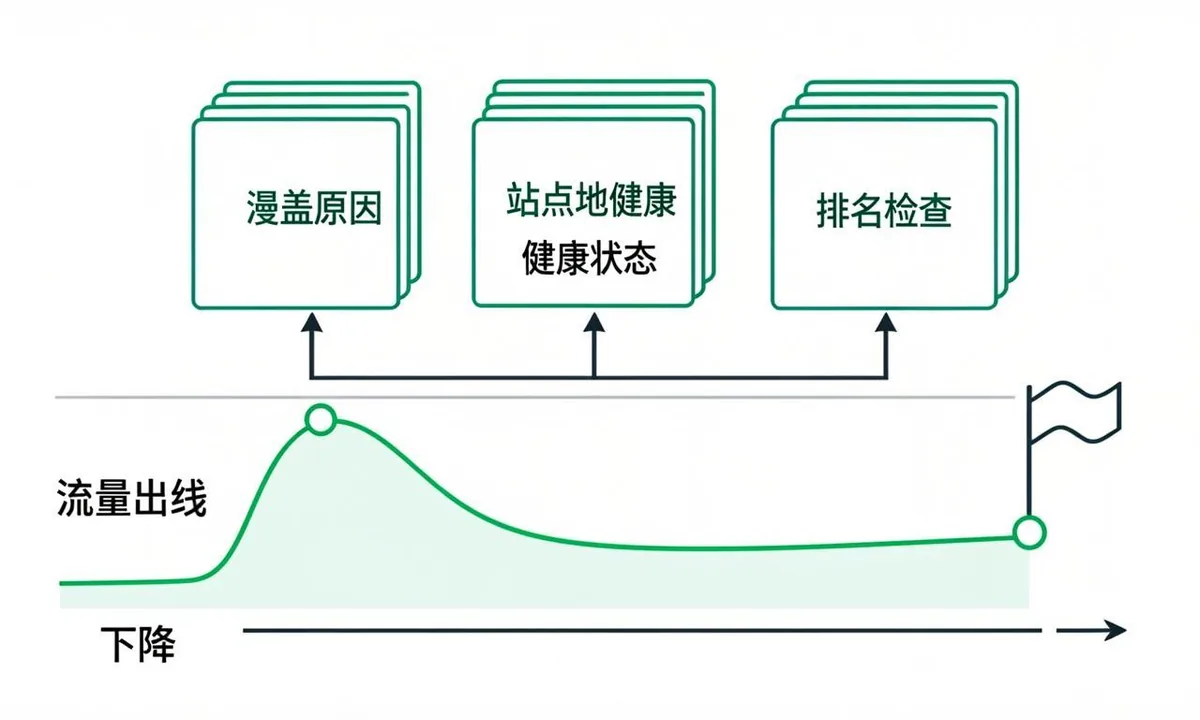
Detection needs a defined watchlist. Without a baseline you cannot tell whether six hundred indexed pages is healthy or a fifty percent loss. A baseline is a versioned list of canonical URLs you expect to be indexed, grouped by section and priority, with metadata about template, sitemap, and last verified state. Every daily check compares against this list rather than against vague totals.
Start with your sitemaps plus CMS truth as the source. Export all indexable canonical URLs from your CMS or build output, filter to 200 status without noindex and allowed by robots, and store URL, content type, template, sitemap child, first published date, last modified date, and priority tier. Priority tiers keep monitoring focused. Tier one holds revenue critical pages such as top guides, flagship products, and key landing pages, usually a few hundred URLs checked daily in full. Tier two holds standard indexable content, often thousands of URLs sampled daily on rotation. Tier three holds long tail or low priority URLs checked weekly in aggregate rather than individually. This tiering balances cost against risk.
Version the baseline in Git or your database with timestamps. Each night, rebuild the expected set from source truth and store it as snapshot dated. Diff snapshots to see intended changes such as new launches and planned removals separately from unexpected index changes reported by engines. Without versioning, a CMS export bug that drops half the URLs looks like mass deindexing in reverse. With versioning you see that the expected set itself shrank due to source error before you alert on engine state. That distinction prevents false alarms and wasted incident calls.
Include supporting fields that speed diagnosis. Store template name or layout ID, sitemap child path, hub link status, canonical target, and structured data type where relevant. When a drop clusters by template or sitemap child, those fields reveal the pattern without manual tagging during an incident. Keep the baseline free of variants. One canonical per page, no tracking parameters, no preview hosts, no paginated duplicates unless you deliberately index those types. A clean baseline makes every downstream check cleaner as well.
Size the baseline to your verification budget. Checking ten thousand URLs daily through official APIs is feasible with quotas and pacing. Checking one million daily is not without sampling and aggregation. For large catalogs, monitor tier one fully each day, monitor tier two on rotating samples that cover the full set weekly, and monitor tier three through sitemap health plus coverage aggregates rather than per URL inspection. Reliable deindex monitoring tools make it easier to monitor for deindexing across tiers, and reviewing index loss patterns monthly shows whether losses cluster by template or release. Document coverage so stakeholders understand what daily checks guarantee and what weekly audits add. A baseline that promises more than it can verify creates false confidence that is worse than no baseline at all.
Daily index checks with the Search Console API
Manual spot checks do not scale and site colon queries are unreliable for decisions. Programmatic daily checks through the Search Console API plus URL inspection data provide repeatable evidence at scale. The goal is not to query every URL every hour. The goal is to verify priority tiers on a cadence that catches meaningful drops within days while respecting quotas and avoiding noisy per URL verdicts based on single samples.
Design the job around three data sources used together. First, use the Search Console search analytics and pages indexing reports for aggregate trends by section where available. Second, use URL inspection API results for tier one URLs on rotation to confirm index state, last crawl time, and page fetch status. Third, use your own fetch verification for live directives such as noindex, canonical, robots allowance, and status code. No single source tells the full story. Aggregates show direction, inspection shows engine verdict for samples, and live fetch shows current eligibility you control. Together they separate engine side filtering from site side errors.
Pace requests to respect quotas and avoid hammering. Query tier one daily in full where counts allow, tier two on rotating fifths so each URL is inspected at least weekly, and tier three through aggregates plus sitemap health. Space inspection calls over hours with delays and backoff on 429 and 5xx. Cache results by URL with timestamps and avoid rechecking the same URL multiple times per day unless an incident is active. Log quota usage per run so you can prove headroom during audits and adjust sampling before limits become incidents. For broader tooling context, see tools to monitor Google index status at scale.
Store results as time series rather than latest only. For each URL keep date, inspection verdict, last crawl time, page fetch status, and live verification snapshot. For each section keep daily counts of indexed, excluded by reason, and not evaluated. Time series reveal whether a drop is a one day blip due to reporting delay or a sustained slide that needs action. Single day snapshots cause overreaction to normal reassessment churn. Seven and thirty day trends distinguish noise from systemic loss with far fewer false pages.
Handle API limitations explicitly in docs and dashboards. Inspection data reflects the last known engine state rather than real time truth and can lag by hours or days. Different properties such as domain versus URL prefix can show slightly different numbers. Report the property used, the check time, and the lag disclaimer on every dashboard so stakeholders interpret numbers correctly. When a daily check flags a drop, confirm with live fetch plus a second inspection sample before paging anyone. That two step confirmation filters most transient API noise while still acting within the same day.
Alert rules that avoid noise
Alerts fail when they fire too often for normal churn or too rarely to catch real losses. Good rules trigger on coherent group changes with persistence rather than on single URL flips or site wide wobbles. They use both absolute and relative thresholds, require confirmation across two consecutive runs where possible, and route to the right owner with context attached.
Set tiered thresholds by section and priority. For tier one flagship pages, alert when even three to five URLs leave the index within twenty four hours or when any single revenue critical URL flips to excluded by noindex or blocked by robots. For tier two standard sections, alert when indexed count falls by more than five percent over three days or when a specific excluded reason rises by more than ten percent week over week. For site totals, alert only on larger moves such as ten percent over seven days to avoid noise from reassessment. These bands catch systemic issues quickly while tolerating normal per URL movement.
Require persistence to filter blips. A URL that shows not indexed once then indexed on the next check is likely reporting lag or transient fetch failure rather than true deindexing. Require two consecutive non indexed results before counting the URL as dropped in alerts, while still logging the first miss for trend review. For section level alerts, require the condition to hold for two daily runs before paging, with a warning on the first run for visibility. This simple rule cuts alert volume dramatically without delaying real incidents beyond one day.
Group alerts by suspected cause to speed response. Instead of one generic index drop alert, create specific alerts such as noindex rise in posts, canonical consolidation rise in products, sitemap shrinkage in docs, and 5xx rise with coverage fall site wide. Each alert should include example URLs, affected template or sitemap child, recent change log entries for that area, and links to inspection results plus live headers. Specific alerts route correctly on the first page. Generic alerts bounce between teams while the cause remains unclear. The official Search Console docs used for verification steps are in Google Search Console help for page indexing, which responders should keep bookmarked alongside internal runbooks.
Tune thresholds quarterly from history. Review past alerts for precision and recall. If most pages were false alarms from reporting lag, raise persistence or adjust percentages. If a real incident never alerted, lower thresholds for that section or add a new cause specific rule. Track alert to incident conversion rate as a quality metric for the monitoring system itself. A quiet system with high conversion builds trust. A noisy system gets muted, which guarantees the next silent loss will be missed entirely.
Diagnosing a confirmed drop quickly
When an alert confirms a sustained group loss, diagnosis should follow a fixed sequence that moves from live eligibility to engine verdict to recent changes. That order prevents wasted time debating quality theories while a template still serves noindex to production. Work through the sequence with samples from the affected group rather than a single URL, since single URLs can be outliers.
Verify live eligibility first for five to ten affected URLs. Fetch each URL and record status code, response time, robots allowance, meta robots tag, X Robots Tag header, canonical tag value, and whether the URL appears in the correct sitemap. Compare to unaffected URLs in the same section. If affected samples share a new noindex flag, a changed canonical, or a new robots block while unaffected samples do not, you have likely found the cause in minutes. Fixing JWT and permission style haste does not apply here, but the same discipline of checking headers and source before assuming engine behavior does. Document findings with raw excerpts rather than summaries so fixes target the exact defect.
Check engine verdict second through inspection and coverage details. Record index state, last crawl date, page fetch result, and excluded reason for the same samples. A recent last crawl with excluded by noindex confirms the engine saw the directive you just found live. An old last crawl with discovered currently not indexed suggests discovery or quality limits rather than a new block. A canonical related reason suggests duplication handling rather than ineligibility. Matching live state to engine reason prevents fixing the wrong layer, such as rewriting content when the real issue is a header.
Correlate with changes third by overlaying deploy history, theme releases, plugin updates, CMS permission changes, host incidents, and sitemap edits on the drop timeline. When the drop starts within days of a specific change to the affected template or path, treat that change as prime suspect and review its diff for robots, canonical, or visibility logic. Interview the change owner with specific questions about staging settings, default flags, and migration scripts rather than open ended what changed. Most silent incidents trace to well intentioned changes with unintended side effects on a subset of templates.
Record the diagnosis in a one page incident note with affected scope, first seen date, suspected cause with evidence, fix owner, and verification plan. That note becomes the recovery checklist and the postmortem seed. Without it, parallel threads pursue different theories and fixes conflict. With it, the team moves from alert to fix with shared facts and clear ownership.
Recovery steps by cause
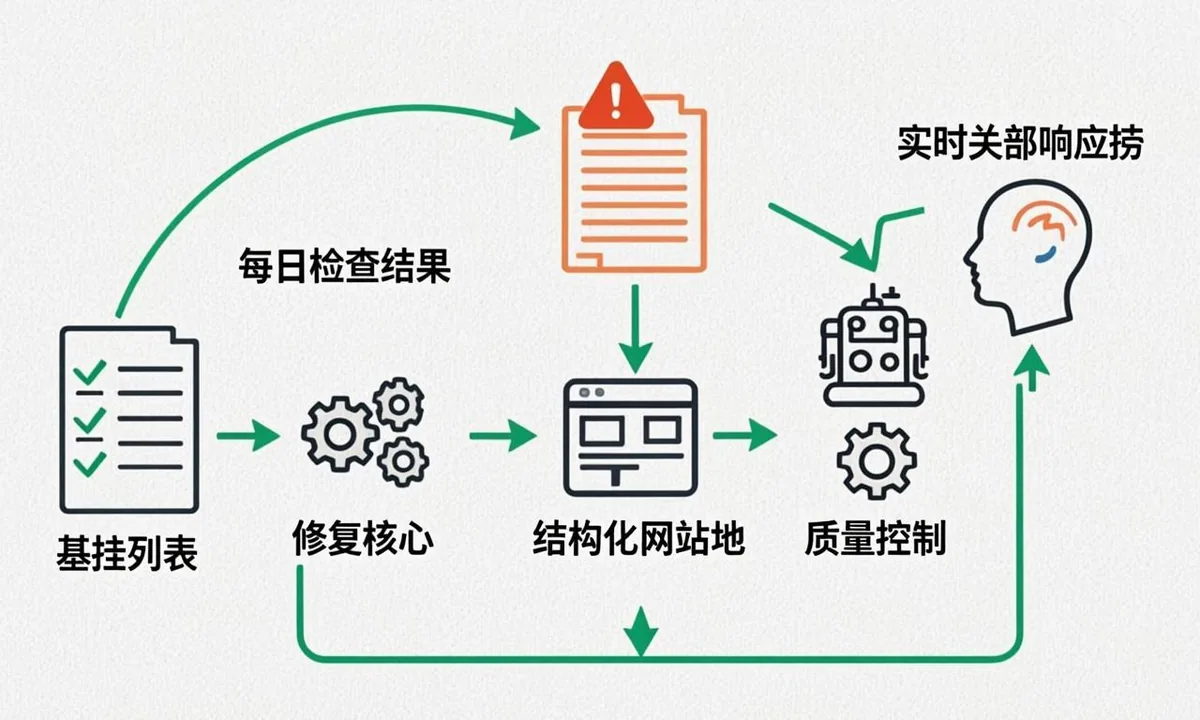
Recovery pairs a precise fix with verification plus resubmission signals plus follow up until baseline returns. Generic advice to wait and build links rarely restores systemic losses because the underlying ineligibility remains. Match the fix to the diagnosed cause, prove eligibility live, then invite recrawl through the channels each engine respects.
For noindex and robots blocks, remove the erroneous directive narrowly rather than broadly. Fix the template condition, plugin default, or header rule that affected only the dropped group. Verify with fetches across the group that noindex is gone and robots allows the paths. Validate that sitemaps still list the URLs and that canonicals point to intended targets. Request inspection for a handful of priority samples through Search Console rather than for thousands at once. Monitor daily for return to indexed state over one to two weeks. For step detail on removing flags safely, follow the noindex removal checklist in your runbook.
For canonical mistakes, restore intentional canonicals and clean competing signals. Ensure each keeper page has a self referencing canonical or a deliberate primary target agreed with stakeholders. Remove conflicting canonicals from alternate templates, fix variable bugs that pointed many pages to one URL, and align sitemaps plus internal links with the intended canonical set. Expect gradual reconsolidation as recrawls process the corrected signals rather than instant flips. Track alternate and duplicate reasons weekly to confirm the trend reverses.
For sitemap and discovery gaps, rebuild accurate sitemaps, restore hub links, and reconnect orphan pages. Add missing canonical URLs with current lastmod, remove dead entries, and validate XML plus fetch performance. Re add contextual internal links from indexed hubs to important new or recovered pages. Submit IndexNow batches for participating engines where the URLs changed. For Google, rely on sitemap freshness plus links plus selective inspection for priorities. Do not bulk inspect thousands of URLs. That wastes effort and hits limits without addressing the structural gap that caused the loss.
For quality filtering and instability, fix the underlying value or reliability issue before seeking recrawl. Consolidate thin duplicates into fewer stronger pages with redirects, expand shallow pages with original detail that serves distinct intent, and prune doorway style archives that add no unique value. Stabilize hosting so 5xx rates return to near zero and response times recover. Only after fixes are live should you update sitemaps and request selective inspection for samples. Recovery from quality filtering takes longer than recovery from directive errors, often several weeks, because engines reassess value over multiple crawls rather than trusting a single flag removal.
Track recovery against the same baseline used for detection. Plot indexed counts for the affected group daily from first seen through fix plus four weeks. Mark fix deploy time and resubmission times on the chart. Close the incident only when counts return to baseline range for seven consecutive days and excluded reasons normalize. That discipline prevents premature closure when a few samples recover while the group remains depressed.
Preventing repeat losses
Prevention turns incident lessons into guardrails that block the same failure from recurring. Every silent deindexing incident should produce at least one automated check, one process change, and one ownership clarification. Without those outputs the same template bug or sitemap regression will return within months under a different author and a different release name.
Automate eligibility checks on every deploy and publish. Fetch samples of changed URLs after each production release and verify noindex absence, robots allowance, canonical intent, sitemap inclusion, and 200 status. Block IndexNow submission for ineligible URLs and alert SEO plus engineering immediately when checks fail. Add template level tests that render each layout with fixture content and assert the correct robots and canonical output. These tests catch staging flag leaks and variable bugs before they reach production traffic. For deploy time patterns, use the deploy checklist in your runbook.
Harden sitemap and link ownership. Assign one component as the sole sitemap writer with file locks or queue serialization to prevent concurrent corruption. Validate XML plus size limits on every build. Monitor submitted 404s and sitemap shrinkage as quality metrics for the publishing pipeline itself. Require hub link placement for new important pages as part of definition of done. Audit orphans monthly and decide to link, consolidate, or noindex each one deliberately rather than letting orphans accumulate silently.
Control change risk for high impact areas. Require SEO review for template changes affecting head output, robots files, canonical logic, or sitemap generation. Maintain a change log for those areas with date, author, affected paths, and rollback plan. Test robots and canonical changes in staging with production like data before merging. Rotate IndexNow keys and webhook secrets on schedule with overlap so auth gaps never masquerade as index losses. These process controls take little time compared to incident recovery and preserve trust in automation.
Build a regression suite from past incidents. For each prior loss, keep a test case with sample URLs, expected live headers, expected sitemap presence, and expected inspection verdict range. Teams that detect deindexing early usually pair that suite with a weekly deindex detection review, so pages quietly deindexed during a release are restored quickly. Run the suite weekly and after every relevant release. The same routine should prevent index loss from repeat template bugs by blocking deploys that reintroduce known bad headers. When a new incident occurs, add its pattern to the suite so coverage grows with experience. Over a year this suite becomes the institutional memory that protects the site through staff changes and platform migrations.
Reporting index health and keeping detection running
Detection only helps if results reach decision makers in a form they act on. A concise monthly index health report plus a living dashboard keeps coverage visible without overwhelming stakeholders with per URL noise. The report should fit on one page, show trends by section, highlight changes with owners, and request specific actions where needed. The dashboard should support drill down from section trends to example URLs to live verification for responders.
Structure the monthly report around five blocks. First show indexed counts by tier one sections with seven and thirty day trends. Second show excluded reasons by share with callouts for any cause that rose more than a few points. Third show sitemap health including submitted counts, error counts, and freshness lag from publish to inclusion. Fourth list top recoveries and top new risks with owners and due dates. Fifth note threshold tuning or coverage changes for the monitoring system itself. Share it with content, SEO, engineering, and leadership together so fixes receive priority rather than bouncing between backlogs.
Keep daily operations light once the system stabilizes. Review dashboard for five minutes each morning during rollout, then weekly once alerts prove reliable. Investigate only persistent group moves rather than single URL flips. Rebuild baselines automatically each night from source truth with versioning. Rotate API credentials before expiry with calendar reminders. Document runbook links for each alert type so on call responders follow the same diagnose then fix sequence without searching wikis under pressure. For broader KPI guidance, see the KPIs that matter for indexing and how to report them.
Sustain the system through team changes. Onboard new writers with a two minute overview of why index health matters and where to check status for their section. Onboard new engineers with receiver, scheduler, and baseline code walkthroughs plus failure drills for key file loss and throttling. Transfer alert ownership explicitly when people leave rather than letting notifications go to dormant inboxes. Review tier membership quarterly as content strategy shifts. Pages that were tier three last year may be tier one today after a product pivot. With these habits detection runs quietly in the background, pages that slip out are caught within days, and traffic losses that once took months to explain become routine fixes with clear owners.
FAQ
How is silent deindexing different from a manual action or penalty?
Silent deindexing is usually technical or quality filtering applied page by page without a site wide notice, such as noindex leaks, canonical consolidation, or discovery gaps. Manual actions appear in Search Console with explicit messages and affect broader patterns tied to policy violations. If you see no manual action notice but a coherent group of URLs leaves the index after a template or sitemap change, treat it as silent technical loss and follow the diagnose then fix sequence rather than waiting for a penalty message that will never arrive.
How quickly can we detect deindexing early with daily checks?
Tier one flagship pages can be caught within twenty four to forty eight hours with daily inspection plus live fetch verification. That rhythm is how teams detect deindexing early before traffic moves. Standard sections on rotating samples are typically caught within three to seven days. Long tail pages monitored through aggregates may take one to two weeks to show a clear trend. That timeline still beats traffic based detection by weeks, which is often enough to limit recovery to days rather than months.
Do we need to check every URL every day?
No. Check tier one fully each day where counts allow, check tier two on rotation so each URL is verified at least weekly, and monitor tier three through sitemap health plus coverage aggregates. This tiering respects API quotas while still catching systemic losses quickly because systemic issues affect groups rather than isolated URLs. Document tier membership and rotation so stakeholders understand what daily checks guarantee.
What is the fastest way to confirm a suspected drop and catch index drops reliably?
Fetch five to ten affected URLs live to record status, robots, meta robots, headers, canonical, and sitemap presence, then compare to unaffected samples in the same section. This workflow helps teams catch index drops without chasing single URL noise. Next check inspection verdict and excluded reason for the same samples. If live checks show a shared new block and engine verdict matches that block with recent crawl dates, you have confirmation plus cause within an hour. If live checks look clean but engine verdict shows filtering, shift focus to duplication or quality causes.
Will requesting indexing for thousands of URLs speed recovery?
No. Bulk inspection requests hit limits quickly and do not fix underlying ineligibility. Fix the cause first so pages are eligible, verify live, ensure sitemaps and links are correct, then request inspection for a handful of priority samples to confirm processing. Engines will recrawl the rest as sitemaps and links guide them. Tracking return to baseline over one to two weeks for directive fixes and longer for quality filtering gives a more honest recovery signal than per URL click counts.
Which deindex monitoring tools help prevent index loss?
Use Search Console coverage trends plus your baseline snapshots plus log checks as the core deindex monitoring tools. That combination helps prevent index loss because alerts fire on group moves rather than single URL flips. Keep tier thresholds stable, require two consecutive runs for paging, and attach example URLs with change history. A quiet system with high alert precision builds trust, while a noisy system gets muted and misses the next quiet exit.
How long does recovery take after the fix?
Directive fixes such as removing an erroneous noindex often recover over one to two weeks as recrawls process the group. Canonical corrections take similar or slightly longer as consolidation reverses gradually. Sitemap and link repairs follow the same window once discovery resumes. Quality filtering recoveries take longer, often several weeks across multiple crawls, because value is reassessed over time rather than trusted from a single change. Close incidents only after seven consecutive days back in baseline range.
Sources
- https://developers.google.com/search/docs/monitor-debug/search-console-start
- https://support.google.com/webmasters/answer/7440203
- https://developers.google.com/search/docs/crawling-indexing/overview
- https://www.bing.com/webmasters/help
- https://schema.org/WebPage