Backlink Indexing Services vs. Direct API Submission

You just earned a batch of new backlinks and none of them show up in link reports, so you start comparing a backlink indexing service with direct submission. A vendor promises to index them in 48 hours if you paste the URLs into a dashboard. Another guide tells you to submit the same URLs yourself through official APIs. Both paths claim to get links counted, but they work in very different ways, with different costs, risks, and levels of control.
The focus keyword for this comparison is backlink indexing service. You will learn what closed indexing services actually do, how direct API submission works through official Google and IndexNow channels, how the two compare on speed, cost, transparency, and safety, and when each option makes sense. By the end, you will have a simple decision workflow you can run for any new batch of links without guessing.
The short version: services try to trigger crawls through networks of pages, pings, and social signals that they control. Direct API submission notifies search engines about your own URLs through documented endpoints tied to your own keys and quotas. Services hide the mechanics. APIs expose them. That difference shapes everything from price to risk, and it is why many teams now prefer direct submission for important links while reserving services for narrow edge cases.
Plain scope: Google Indexing API supports JobPosting and BroadcastEvent pages only for direct submission, not normal blog posts or product pages. IndexNow is supported by Bing, Yandex, Naver, Seznam, and others, but Google does not support IndexNow. Any vendor that promises Google indexing through IndexNow is mistaken. We respect those limits through this guide.
Key takeaways
- A backlink indexing service tries to provoke crawls through its own network, while direct API submission notifies engines about URLs you control.
- Direct APIs give you logs, quotas, and ownership of the process, while services give you convenience with less visibility.
- For important referring pages, direct submission plus clean technical health usually beats repeated service blasts.
- Services can still help for large lists of low priority URLs where you accept lower transparency for less manual work.
- Measure referring page index status before and after any method, and stop paying for pushes that do not move that metric.
- What a backlink indexing service actually does behind the scenes
- How direct API submission works through official channels
- Speed comparison what gets crawled faster and why
- Cost and control trade offs per URL versus flat workflow
- Transparency safety and data ownership differences
- When a service still makes sense and when API wins
- A practical decision workflow you can run this week
- FAQ
 <!-- IMAGE-PROMPT cover: 1200x630, DependsIt brand, deep charcoal #121212 or clean white background, vibrant mint #22E3B0 accent glow, thin node-network line art, Clash Display style bold heading space on left, General Sans clean labels, subject: two paths comparison closed network versus open API submission flow, flat vector, high contrast, accessible, no photorealistic faces, no text smaller than 24px, no em dash in rendered text, export PNG then cwebp -q 82 to WEBP -->
What a backlink indexing service actually does behind the scenes
A typical backlink indexing service asks for a list of URLs, usually the pages that link to you, not your own money pages. After you upload the list, the service runs a sequence designed to attract crawler visits. Common steps include placing the URLs on high crawl pages inside its own network, generating RSS entries that point to them, creating short redirect hops, pinging feed aggregators, and sometimes adding social shares or bookmark style pages. The idea is simple: if crawlers visit the service pages often, they will follow the links outward and eventually fetch your referring pages.
That approach can trigger discovery, especially for pages on quiet domains that otherwise get little crawl attention. A forum profile or a small directory listing that no one visits may sit unnoticed for months. When a service links to it from a page that is crawled daily, the crawler has a fresh path to follow. In that narrow sense, services do what they advertise: they create crawl paths. The open question is whether those paths lead to lasting index status and counted link signals, or only to a brief fetch with no follow through.
Quality varies widely across providers. Some maintain reasonably clean networks with varied hosting, real content, and steady crawl rates. Many others run thin doorway clusters built only for ping volume, with duplicate templates, spun text, and thousands of outbound links per page. Links from the second type may get a quick hit in server logs, but they rarely improve the trust or index stability of the referring page. Worse, they add a low quality inbound layer around your backlink profile that you do not control and cannot easily remove.
Pricing models add another layer of confusion. Most services charge per URL, per credit, or per monthly quota. A list of 1,000 referring pages can cost anywhere from a few dollars to hundreds, depending on promised speed and retry counts. Unused credits often expire. Failed URLs often still consume credits. Reporting usually shows submitted, crawled, or indexed counts based on the vendor own checks, which may use different methods than Search Console and may overstate durable indexing. Without independent verification, it is hard to know what you actually bought.
Data handling is the least discussed part. When you upload referring page URLs, you reveal your link building footprint to the vendor: which domains link to you, when you earned them, and which targets you care about. That list is valuable. Reputable vendors state retention and deletion policies. Others reserve broad rights to reuse submitted URLs for their own crawl network, which means your private placements can end up on shared pages visible to other customers or to anyone mining those pages. For sensitive placements like private outreach or niche edits, that exposure alone can outweigh any crawl benefit.
There are also compliance limits vendors rarely highlight. No service can force Google to index a page. Google decides based on quality, uniqueness, and site signals. A service can invite a crawl, but it cannot grant index status. Vendors that promise guaranteed Google indexing in a fixed window are promising an outcome they do not control. A more honest claim is increased crawl attempts, with indexing left to normal quality filters. Keep that distinction in mind when you read sales pages and when you evaluate reports.
To vet any backlink indexing service before you pay, run this checklist:
- Ask exactly which crawl paths they create and whether those pages are publicly viewable.
- Ask how they verify indexed status and whether you can replicate the check yourself.
- Ask about data retention, deletion on request, and whether submitted URLs are reused.
- Test with a small batch of 20 to 50 low risk URLs before trusting a large order.
- Verify results independently through server logs and Search Console link reports, not only vendor dashboards.
- Calculate true cost per durably indexed referring page after 30 days, not cost per submission.
Many paid indexing services operate as a backlink indexing company that runs closed network indexing pages to attract crawlers. Before paying, ask to see sample network pages and independent verification methods you can replicate in Search Console.
For context on why referring page status matters so much, see what to do when referring pages are not indexed. For a broader map of faster methods you can run yourself, see how to index backlinks fast with 7 methods that work. Those guides frame the measurement habits you will need no matter which path you choose.
How direct API submission works through official channels
Direct API submission means you notify a search engine about URL changes through a documented endpoint, using credentials you own, with quotas and logs you can inspect. There are two main official families. For Google, the Indexing API lets verified site owners send URL_UPDATED or URL_DELETED notifications for JobPosting and BroadcastEvent pages. For Bing, Yandex, Naver, Seznam, and other IndexNow participants, the IndexNow protocol lets you ping one endpoint with a key file hosted at your site root to signal new, updated, or deleted URLs.
The Google flow is strict by design. You create a Google Cloud project, enable the Indexing API, create a service account, add that account as an owner or full user on the verified Search Console property, and then POST JSON notifications to the publish endpoint. Each notification names one URL and one type. Google responds with success or error codes that tell you whether the notification was accepted, whether quota remains, and whether auth needs fixing. Acceptance is not a promise of indexing. It only means Google recorded your signal and may prioritize a crawl. Quality filters still decide final index status.
IndexNow is simpler and broader for participating engines. You generate a random key, host a text file containing that key at your site root, then POST a JSON payload with your host, key, and a list of up to 10,000 URLs to an IndexNow endpoint. Participating engines share the signal, so one ping can inform Bing, Yandex, and others at once. Responses use standard HTTP codes that indicate accepted, bad request, forbidden key issues, or throttling. Like Google notifications, acceptance invites crawling but does not guarantee indexing. Thin or duplicative pages can still be left out after a successful ping.
The key difference from services is ownership. With direct APIs, the submission account, key file, quota usage, and response logs all belong to you. You can see exactly which URLs were sent, when, with what result, and how many quota units remain. You can retry with backoff on 429 responses, fix 403 key or permission errors, and throttle batches to respect limits. That visibility makes debugging possible. If a batch fails, logs point to auth, format, or quota. With closed services, failures often appear only as vague pending states with no actionable detail.
Direct submission also keeps your link list private. You submit only URLs on properties you control, or referring page URLs through endpoints that accept them where documented. You do not upload your full backlink profile to a third party network. For teams handling client links or sensitive outreach, that privacy alone justifies the small setup effort. Bring your own key patterns extend the same idea to SaaS tools: you connect your own API credentials to a dashboard you trust, so usage and data stay under your account rather than pooled with other customers.
There are real limits to respect. Google quotas for the Indexing API are modest and intended for job and video event use, not for blasting thousands of normal pages daily. IndexNow quotas vary by engine and by site trust, and aggressive pinging of unchanged URLs can lead to throttling. Bulk submission must use queues, pacing, and exponential backoff on 429, with request IDs logged for later review. Google documentation on crawling and indexing gives the baseline mental model for how discovery leads to possible indexing (Google documentation on crawling and indexing). The IndexNow protocol spec defines the key and payload format for participating engines (IndexNow documentation). Build those references into your runbooks so every team member follows the same rules.
A minimal direct workflow looks like this in practice. First, clean the target list so it contains only live 200 URLs with indexable headers and self referencing canonicals. Second, split the list into small batches, for example 100 URLs per batch for IndexNow or even smaller for Google where quotas are tight. Third, send one batch, record responses, and wait. Fourth, check crawl hits in server logs and index status after seven to fourteen days. Fifth, retry only the failures with corrected auth or format, not the entire list. This loop is slower than a one click blast, but each step produces evidence you can act on.
Speed comparison what gets crawled faster and why
Speed depends on which crawler you mean, how trusted the referring domain is, and whether the page is already known. For Bing and Yandex, a correct IndexNow ping for a fresh URL on a verified site often triggers a fetch within hours to a couple of days, because those engines built IndexNow to shorten discovery time. For Google, direct API pings only speed discovery for eligible JobPosting and BroadcastEvent pages. For normal backlink referring pages, Google has no official ping that guarantees faster crawling. Any speed gain on Google must come from better crawl paths, better site health, or normal recrawl rhythm, not from IndexNow.
Services sometimes appear faster on Google in the first 48 hours because they generate immediate crawler hits from their own network. Server logs may show Googlebot fetching the referring page shortly after submission. That early fetch feels like success, but it is only the first stage. Indexing and link counting can still take weeks, and many quickly fetched pages fall back out if quality is thin. Direct API work often looks slower in logs at first, especially when you pace batches, yet it produces more stable outcomes because each submission is tied to a clean, owned URL with correct technical signals.
Think of speed in three phases: time to first crawl, time to index decision, and time to link signal use. Services mainly compress the first phase by manufacturing a path. They have little influence on the second and third phases, which depend on page quality, site trust, and relevance. Direct APIs compress the first phase for eligible URLs in a cleaner way, and they pair naturally with quality fixes that help the later phases. Neither path can force the later phases. A thin forum profile that gets fetched today can still sit unindexed next month if it adds no value.
Empirical habits beat promises here. For any new batch, record submission date and method per URL, then check first crawler hit date in logs, index status at day 14 and day 30, and referring link appearance in Search Console. Over two or three batches you will see your own numbers for each method on your own link types. Typical patterns teams report: IndexNow plus healthy sitemaps moves Bing discovery quickly for blog and product URLs. Google discovery for strong editorial referring pages happens within days with no push at all. Stubborn low quality referring pages stay unindexed for weeks regardless of method until content or connectivity improves.
Several factors matter more than vendor choice. A referring page on a domain that is crawled daily will be seen quickly with or without help. A page buried five clicks deep with no internal links will be slow no matter how many times you ping it. A page that returns soft 404 because content is too thin will be fetched and then dismissed. Fixing those fundamentals often beats switching vendors. Internal linking improvements on the linking domain, where you have influence, or earning a secondary mention from a crawled page, can do more for Google speed than any submission blast.
Use this speed lens when you read case studies. If a vendor shows log hits within hours as proof of indexing, ask for index status at day 30 and for Search Console referring page counts. If a direct API guide shows instant acceptance responses as proof of ranking gain, ask for the same longer window evidence. Durable indexing and counted links are the only speed metrics that affect revenue. Everything else is activity without outcome.
Cost and control trade offs per URL versus flat workflow
Cost comparison starts with what you pay for and what you keep. Services charge per URL or per credit, often with monthly minimums and expiring quotas. A 5,000 URL backlog can cost a meaningful monthly fee, and retries consume more credits. Direct API submission has no per URL fee from the engines themselves. Your costs are engineering time for setup, compute for queues and logs, and maintenance for key rotation and monitoring. For small, steady volumes, direct is usually cheaper within one quarter. For sudden huge backlogs, services look cheaper at first because they need no setup, but per URL fees scale linearly while your own queue scales sublinearly once built.
Control is where direct pulls ahead clearly. With your own keys and logs, you decide batch size, pacing, retry policy, and stop rules. You can pause when a domain shows stress, prioritize important referring pages first, and prove exactly what was sent. With services, you choose a plan and upload a list. Batching, pacing, and retry logic live inside a black box. If results disappoint, you have limited levers beyond buying more credits or switching vendors. Over a year, that control gap matters more than headline price, because it determines whether you learn and improve or simply repeat spend.
Consider total cost of ownership across four buckets. Submission fees: service credits versus effectively zero engine fees for direct. Labor: uploading lists and reading vendor dashboards versus building and running a small submitter. Risk cost: potential data exposure and low quality inbound layers from services versus time spent on key hygiene for direct. Learning value: vendor reports you cannot audit versus logs that teach you which link types index naturally. Teams that value learning and privacy usually find direct cheaper even when service sticker prices look low.
A simple math example helps. Suppose you handle 2,000 referring page URLs per month. A service at 10 dollars per 1,000 URLs costs 20 dollars monthly plus time for uploads and verification, with credits lost on failures. A small self hosted submitter costs a few hours to build, pennies in compute, and an hour monthly to monitor, with no per URL fee and full logs. After three months, direct is ahead on cash and far ahead on insight, because you now know which 400 URLs never index and should not be bought again. That sourcing insight alone can save more than submission fees.
There are cases where service economics still win. If you face a one time backlog of 50,000 low priority bookmark or profile URLs and you accept that many will never index, paying for a single bulk pass may be cheaper than building automation you will use once. If you lack any engineering access and need something this week with no code, a small service test can be pragmatic. In both cases, cap spend, test small, verify independently, and do not upload sensitive outreach URLs that would reveal strategy. Treat the service as a disposable experiment, not as core infrastructure.
Control also shows up in incident response. When a batch triggers errors, direct logs tell you whether to fix auth, slow down, or clean the list. Vendor dashboards often show generic failed states that invite another paid retry of the same bad list. When engines change quotas or response codes, direct owners can adapt the same day by reading docs. Service customers wait for the vendor to adapt and hope the fix applies to their plan tier. For teams that index links weekly, that agility gap compounds quickly.
When you compare indexing service vs api ownership, look beyond sticker price to decide if an index service worth it for your volume. The main api submission benefits are full logs, quota control, and private data handling, which lower long term cost per durably indexed page.
Transparency safety and data ownership differences
Transparency is the clearest divide. Direct API work produces artifacts you can keep: request payloads, response codes, quota headers, server log hits, and Search Console status changes. Anyone on the team can review the same evidence and reach the same conclusion. Service work produces a vendor rendered status that you cannot fully reproduce. Two vendors can report different indexed counts for the same list on the same day because they check differently. Without a shared method, debates about effectiveness never resolve.
Safety follows transparency. With direct submission, the only new exposure is between you and the engine, over documented endpoints, with scoped credentials you can revoke. With services, you add a third party that sees your full link list, controls intermediate pages that point to your referring pages, and may retain data longer than you expect. If the vendor network is penalized or deindexed, pages that point to your referring pages can vanish at once, removing the crawl paths you paid for. If the vendor reuses submitted URLs across customers, your private placements can appear on shared pages you never approved.
Data ownership is closely related. Your backlink list is competitive intelligence. It shows which outreach worked, which niches respond, and which money pages you prioritize. Uploading that list to a service with broad reuse rights is a strategic leak, even if unintentional. Direct submission keeps that list inside systems you control. If you use a SaaS dashboard for convenience, prefer bring your own key designs where your API credentials stay under your account, usage is billed to you, and you can delete keys and history on demand. Avoid tools that require full, irrevocable key handoffs with no deletion path.
There is also a quality safety angle. Direct methods encourage you to fix the referring page itself: better content, correct headers, sensible internal links. Those fixes help every future crawler, not just one vendor network. Service methods can mask underlying problems by manufacturing temporary crawl paths. When you stop paying, the paths decay and the same pages fall back out. Over time, direct investment compounds into healthier link sources, while service spend resets to zero each month. That compounding difference is easy to miss in a single test but obvious across a year.
To keep either path safe, adopt the same hygiene baseline:
- Never upload full client link profiles to shared tools without written retention and deletion terms.
- Use separate API keys per project so you can revoke one without breaking others.
- Log every submission with date, method, account, and response code.
- Verify outcomes in your own logs and Search Console, not only in vendor UI.
- Prune referring sources that never index after two clean cycles, rather than resubmitting forever.
- Document which link types index naturally so you buy more of what works.
Regulated teams should add one more check. If links involve partner content, sponsored placements, or user data, confirm that sharing those URLs with a third party indexer complies with contracts and privacy policies. In many cases, direct submission by the site owner is the only compliant path. That constraint alone often settles the service versus API debate for enterprise workflows.
The debate around service vs byok indexing comes down to who holds the keys. Many indexing providers resell link networks vs apis capacity without showing logs, while direct api indexing keeps submissions, quotas, and history under your own account for easier audits.
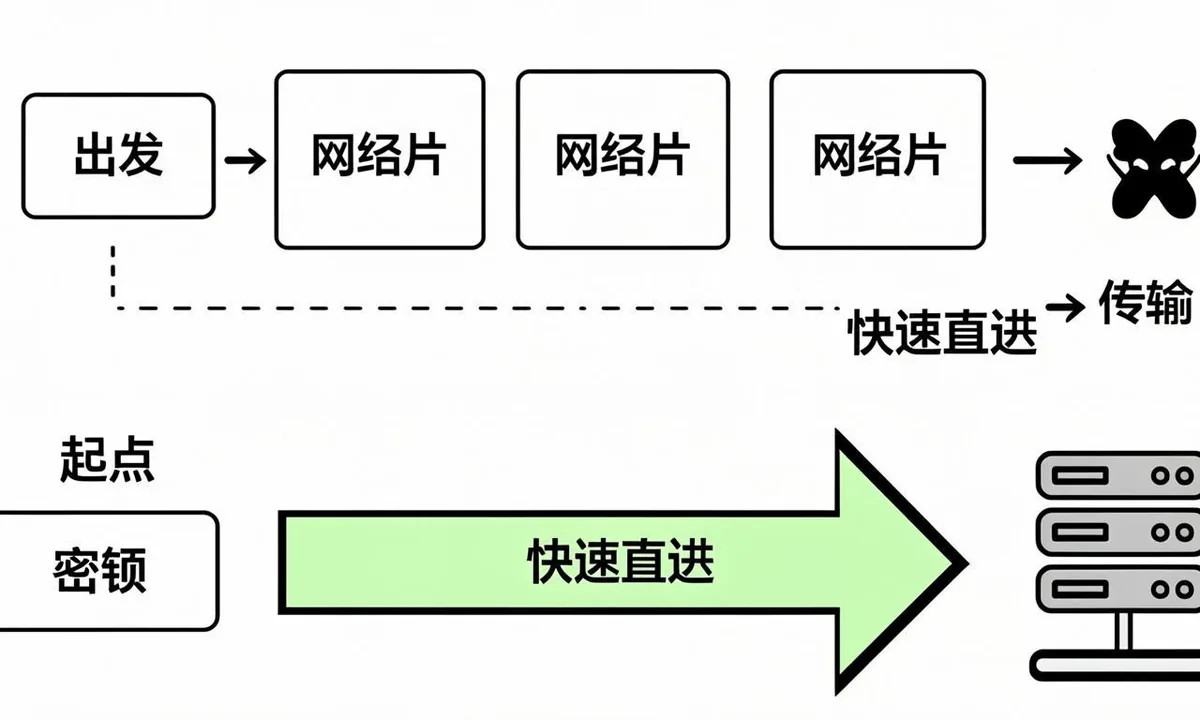 <!-- IMAGE-PROMPT diagram-01: 1600px max, DependsIt brand mint #22E3B0 on charcoal #121212 or white, node-network line art, subject: side by side diagram of service network hops versus direct API submission to search engines, flat vector, accessible, no em dash, Clash Display headings feel and General Sans labels feel -->
When a service still makes sense and when API wins
A service still makes sense for narrow, low risk jobs. Examples include a one time sweep of old directory profiles where you accept low success rates, a test batch to see whether any crawl activity occurs at all before you invest in fixes, or a non critical tier where transparency matters less than clearing a backlog quickly. In those cases, choose a vendor with viewable paths, clear retry rules, and written data deletion. Cap the test at 50 to 200 URLs, verify independently at day 14 and day 30, and calculate cost per durably indexed referring page. If that cost exceeds the value of the links, stop.
Direct API wins for anything important, repeated, or sensitive. Important guest posts, niche edits on real sites, new referring pages you paid to earn, and any client work where you must show evidence should go through owned paths first: clean technicals, internal links on the linking domain where possible, accurate sitemaps, and paced API notifications where eligible. That stack gives you logs for reporting, privacy for strategy, and learning for sourcing. It also scales better. Once your queue, key rotation, and monitoring exist, each additional batch costs minutes, not credits.
Consider link type explicitly. Strong editorial links on crawled domains usually index without help, so neither path is needed beyond normal sitemap and internal link hygiene. Mid tier blogs and niche sites respond well to direct IndexNow for Bing plus patient Google crawl through better connectivity. Low tier profiles, auto generated bookmarks, and thin forum signatures rarely index durably through either path until the pages themselves improve. Spending service credits on that lowest tier is often the poorest return. Either improve the pages, replace the sources, or accept that they will not count.
Team capacity matters too. A solo owner with no code access and ten new links per month may prefer a careful manual routine with no vendor at all: check technicals, ensure one good internal path, update sitemaps, and wait. A growing agency handling hundreds of links monthly should invest in direct automation with per client keys and dashboards, because per URL service fees and data exposure grow with volume. An in house SEO team in a regulated industry should default to direct for compliance, with services only for explicitly approved low risk batches.
Watch for hybrid patterns that get the best of both. For example, use direct IndexNow for all new referring content you control on the Bing side, use Google Search Console nudges sparingly for your own eligible pages, and reserve a small service budget for testing stubborn low priority URLs you do not want to spend engineering time on. Keep the hybrid honest by measuring each arm separately. Tag every URL with method, date, and outcome so you can compare cost per indexed referring page across arms after 30 days. Let the numbers choose the default for next quarter.
Finally, align choice with goal. If the goal is learning which sources produce countable links, direct wins because logs teach sourcing. If the goal is clearing a backlog before a reporting deadline with no need for learning, a capped service test can be pragmatic. If the goal is durable authority growth, invest in better sources and cleaner technicals first, then let APIs accelerate what is already healthy. No submission method rescues a strategy built on sources that search engines consistently ignore.
A practical decision workflow you can run this week
Start with triage, not submission. Export new referring pages from the last 30 to 60 days, keep only live 200 URLs, and drop obvious junk like blocked, noindexed, or soft 404 pages. Split the remainder into three tiers. Tier A: important editorial placements you paid for or earned through outreach. Tier B: mid tier blogs, niche directories, and community posts with real content. Tier C: low priority profiles, auto bookmarks, and thin signatures. Different tiers deserve different effort. Do not spend Tier A effort on Tier C URLs.
For Tier A, run the owned path first. Verify the linking page shows your anchor in raw HTML with a clean href and no blocking rel. Confirm the page is reachable within a few clicks from the linking domain homepage or category. Confirm the domain own sitemap is clean and the page is included with a correct lastmod. If you manage the linking domain, add one contextual internal link from an indexed post. If eligible for official APIs, send paced notifications and log responses. Wait 14 days, then check index status and Search Console referring pages. Most Tier A links should move with this routine alone.
For Tier B, use a lighter version of the same routine. Check technicals quickly, ensure at least one internal path exists, and rely on sitemaps plus IndexNow where relevant for Bing. Avoid manual Google nudges for pages you do not own. Wait 21 days. Promote only the successes to Tier A style follow up. Demote persistent failures to Tier C rather than retrying blindly. This keeps effort proportional to value and prevents over investment in sources that rarely count.
For Tier C, decide explicitly whether to act at all. If the URLs are numerous but weak, either skip them or run one capped service test on a sample of 100, with independent verification at day 30. Do not upload Tier A outreach lists into the same test. Keep sensitive URLs out of shared tools entirely. If cost per durably indexed page exceeds your threshold, stop and reallocate budget to earning fewer, stronger links instead of indexing more weak ones. That reallocation usually improves counted links faster than any submission tweak.
Run the numbers in a simple table you update weekly:
| Tier | Count | Method | Indexed at day 14 | Indexed at day 30 | Cost per indexed |
|---|---|---|---|---|---|
| A editorial | 25 | Owned plus API where eligible | 18 | 21 | Time only |
| B mid | 80 | Sitemap plus IndexNow | 34 | 42 | Time only |
| C low sample | 100 | One service test | 12 | 15 | Credits divided by 15 |
That table turns debate into arithmetic. If Tier C service tests consistently deliver 10 to 15 percent durable indexing at a high per URL cost, while owned Tier A work delivers 70 to 85 percent with only labor, the budget decision writes itself. Reinvest service spend into better outreach, better content on linking domains where you have influence, and better technical hygiene. Keep a small service allowance only for experiments with clear stop rules.
Close the loop with sourcing rules. After two cycles, list the domains and link types that indexed quickly and those that never moved. Buy more of the first, less of the second. Share that list with outreach so future placements favor countable sources. Document your API quotas, pacing, and response handling so the workflow survives team changes. The prize is not a single indexed batch. It is a repeatable system where most important links get counted without drama, costs stay flat as volume grows, and no third party holds a map of your strategy.
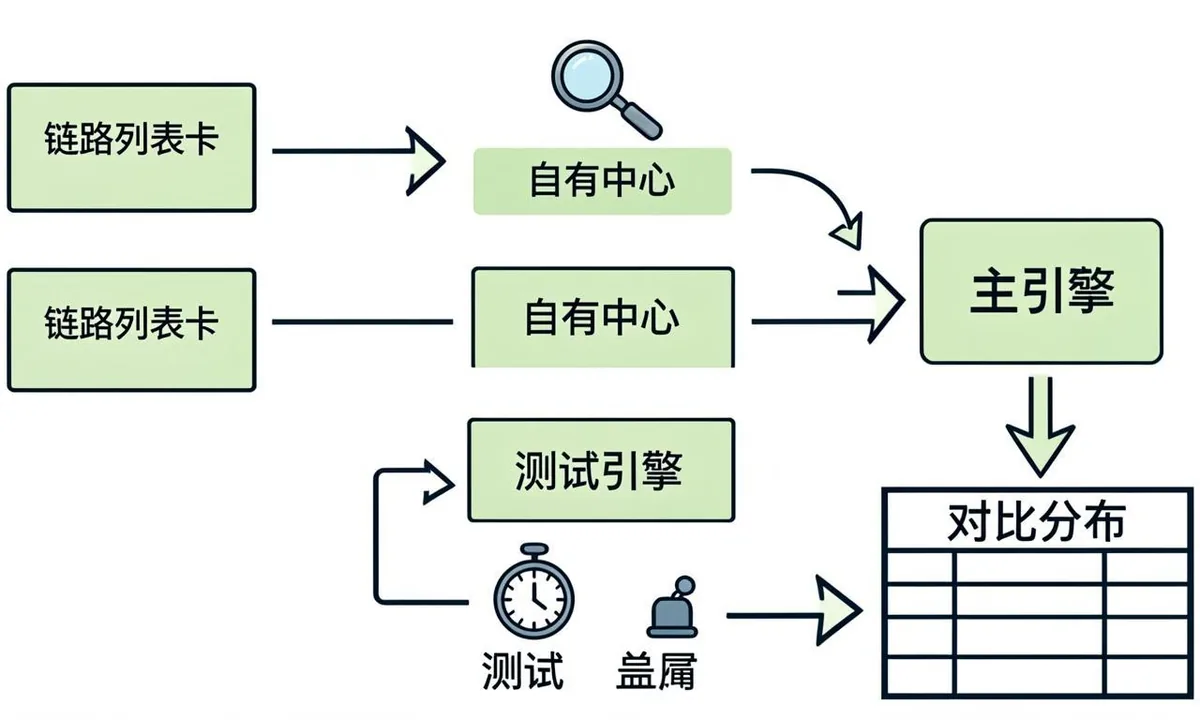 <!-- IMAGE-PROMPT workflow-02: 1600px max, DependsIt brand, deep charcoal #121212 background with mint #22E3B0 node-network line art, subject: decision workflow triage tiers then service test or direct API path with measurement, flat vector, accessible, no em dash, Clash Display headings feel and General Sans labels feel -->
FAQ
What is the main difference between a backlink indexing service and direct API submission?
A service tries to attract crawlers through pages and signals it controls, while direct API submission notifies search engines through official endpoints using your own credentials. Services offer convenience with less visibility. Direct APIs offer logs, quotas, and ownership of the process. Both still depend on page quality for final indexing.
Can any service guarantee Google indexing?
No. No third party controls Google index decisions. Vendors can invite crawls, but Google decides based on quality, uniqueness, and trust. Promises of guaranteed indexing in fixed windows overstate what services can deliver. Measure durable index status at day 14 and day 30 instead of trusting instant crawl claims.
Does IndexNow submit backlinks to Google?
No. IndexNow notifies participating engines like Bing, Yandex, Naver, and Seznam, but Google does not support IndexNow. Do not use IndexNow as a Google backlink solution. For Google, rely on clean technicals, crawl paths, sitemaps, and eligible Indexing API use for supported page types only.
Is an index service worth it for small sites?
Whether an index service worth it depends on volume and link value. For a handful of strong editorial links each month, owned sitemaps and patient crawl usually win without fees. For larger backlogs of mid tier pages where manual work would take days, a small capped test can be reasonable if you verify cost per durably indexed page at day 30.
How do paid indexing services verify results?
Many paid indexing services report submitted or crawled counts from their own checks, which can overstate durable indexing. Always replicate verification yourself with server logs and Search Console link reports at day 14 and day 30. Keep vendors that show stable indexed referring pages and drop those that only show temporary crawler hits.
What are the main api submission benefits for client work?
The main api submission benefits are auditable logs, clear quota control, private data handling, and repeatable pacing with backoff. For client work, those traits support transparent reporting and compliance, because every URL, response code, and retry is recorded under your own keys rather than pooled in a shared dashboard.
How does service vs byok indexing affect data ownership?
With service vs byok indexing, ownership differs sharply. Pooled service accounts mix your link list with other customers, while bring your own key setups keep usage, history, and deletion control under your account. Prefer key based workflows for sensitive outreach and require written retention terms before any upload.
Sources
- https://developers.google.com/search/docs/crawling-indexing/overview
- https://www.indexnow.org/documentation
- https://www.bing.com/webmasters/help/indexing-getting-your-site-listed
- https://support.google.com/webmasters/answer/744020
- https://developer.mozilla.org/en-US/docs/Web/HTTP/Status/404