Detecting New URLs in a Sitemap Automatically

Publish to crawl delay costs launches their first wave of demand. This guide is for developers and SEOs who want to detect new urls sitemap and route fresh pages to the right checks within minutes. You will learn what counts as new, polite polling rhythms, Python watcher patterns, diff logic that ignores noise, lightweight state storage, and submission queues that respect rate limits. It also covers alert routing, removal handling, multi site scaling, and a weekly review that keeps precision high. By the end you have an automated loop from sitemap change to verified fetch without spammy polling.
Key takeaways
- Detecting new URLs early shortens publish to crawl delay for launches and timely posts.
- Normalize URLs, compare sets, and ignore reordering so alerts stay precise.
- Poll politely with backoff, store compact snapshots, and queue submissions with throttling.
- Review false positives weekly against CMS logs so the watcher matches real publishing.
- Detect new urls sitemap checks: why early detection speeds indexing
- What counts as new in a sitemap diff
- Polling frequency that respects servers and engines
- Building a simple sitemap watcher in Python
- Diff logic that ignores noise and reordering
- Storing state without a database
- From detection to submission Indexing API and IndexNow
- Alerting your team when important URLs appear
- Handling removals updates and lastmod changes
- Scaling the watcher to many sitemaps
- Weekly review that keeps detection accurate
- FAQ
- Sources
- Further reading
 <!-- IMAGE-PROMPT cover: 1200x630, DependsIt brand, deep charcoal #121212 background, vibrant mint #22E3B0 accent glow, thin node-network line art, Clash Display style bold heading space on left, General Sans clean labels, subject: detect new urls sitemap explanatory cover for site owners, flat vector, high contrast, accessible, no photorealistic faces, no text smaller than 24px, no em dash in rendered text, export PNG then cwebp -q 82 to WEBP -->
Detect new urls sitemap checks: why early detection speeds indexing
Discovery delay is dead time between publish and crawl. A watcher that spots a new loc within minutes lets you ping IndexNow, update internal links, and check rendering the same hour. Without detection, teams learn about new pages from weekly reports after competitors already covered the topic. Early detection matters most for product launches, job posts, and breaking guides. The goal is a short reliable path from CMS publish to engine fetch. Teams that monitor sitemap changes on a fixed schedule catch launches, migrations, and feed regressions in the same hour, and clean new url alerts keep editors acting on fresh pages instead of stale reports.
In practical terms, this relates directly to detect new urls sitemap. Site owners often fix single URLs, but search systems evaluate patterns across templates and link graphs. Understanding the pattern saves time because one template rule can move hundreds of entries at once. Search engines decide crawl frequency from past fetch success, file size, and signal trust. A focused feed that returns quickly with honest timestamps earns more frequent checks than a bloated file with stale dates. That is why small structural choices compound over weeks. Teams that measure fetch latency and Valid growth per template see the link between feed hygiene and pickup speed more clearly than teams that only count total URLs.
Key checks for this stage:
- Audit templates first because issues cluster by post type and archive rule.
- Compare raw HTML to rendered HTML for JavaScript hidden content.
- Trace canonical chains to catch redirects and noindex targets.
- Remove variants, session IDs, and filtered views from XML.
- Add contextual internal links from indexed hubs to priority pages.
Implementation works best in small batches. Pick one section, apply the change, clear caches, fetch the affected child sitemap as a bot, and confirm headers and XML validity. Watch coverage for that section across ten to fourteen days. If Valid rises without new errors, roll the pattern to the next section. Batching isolates cause and effect when Search Console numbers move. Applied to why detecting new urls early speeds up indexing, the same discipline pays off: detect new urls sitemap improves when eligibility, duplication, and freshness are handled in order. Record baseline Valid and Excluded counts before the change, then confirm live samples after the deploy. Expect movement across one to two crawl cycles rather than overnight. Keep a simple log with date, template, action, sample URLs, and before and after counts so the next review starts from evidence.
Use this quick reference while working through this section.
| Check | What to confirm | Tool |
|---|---|---|
| Status and robots | 200 response, allowed by robots, no noindex in headers | View source, headers, live inspection |
| Canonical intent | Single absolute canonical to preferred 200 URL | Crawl export, inspection |
| Discovery path | Sitemap entry plus contextual internal link | Sitemap index, inlink report |
| Freshness | lastmod from real edit time, stable across rebuilds | CMS history, file diff |
| Stability | Fast fetch, valid XML, no 5xx spikes | Crawl stats, server logs |
To finish, pick one cluster related to detect new urls sitemap, apply the checks above, and document the result before expanding. Small batches reduce risk and make cause and effect visible. Share the sheet with developers when code changes are needed and with editors when content work is needed. Clear ownership keeps why detecting new urls early speeds up indexing from drifting back after temporary gains.
What counts as new in a sitemap diff
New means a loc that was absent in the last snapshot and returns 200 with indexable headers today. Do not count URL variants with trailing slashes, UTM parameters, or session IDs as new. Do not count redirects or noindex pages that slipped into the feed. Normalize URLs by lowercasing host, stripping fragments, and sorting query keys before comparison. Clean definitions prevent alert fatigue from false positives.
In practical terms, this relates directly to detect new urls sitemap. Site owners often fix single URLs, but search systems evaluate patterns across templates and link graphs. Understanding the pattern saves time because one template rule can move hundreds of entries at once. Indexing pipelines weigh discovery against quality and duplication. When a feed mixes canonical 200 pages with redirects, parameter variants, and thin archives, schedulers must verify each entry before spending render budget. Clean separation by type or date reduces that verification cost. Over two crawl cycles the result shows as steadier Valid counts and fewer Excluded rows for duplicate or soft 404 reasons.
Key checks for this stage:
- Confirm 200 status, allowed robots, and clean canonical per URL.
- Check sitemap inclusion plus at least one topical internal link.
- Compare uniqueness against site siblings and top competitors.
- Verify speed and stability across two fetch samples.
- Document dates and samples so later monitoring ties to causes.
Maintenance decides whether gains hold. Assign an owner, set a monthly check for counts, latency, and errors, and log every structural change with date and reason. Alert on build failures, size jumps, and fetch errors the same day. Quarterly, revalidate against current docs because engine guidance on sitemaps and submission evolves. Steady ownership beats one time cleanup projects. Applied to what counts as new in a sitemap diff, the same discipline pays off: detect new urls sitemap improves when eligibility, duplication, and freshness are handled in order. Record baseline Valid and Excluded counts before the change, then confirm live samples after the deploy. Expect movement across one to two crawl cycles rather than overnight. Keep a simple log with date, template, action, sample URLs, and before and after counts so the next review starts from evidence.
Use this quick reference while working through this section.
| Check | What to confirm | Tool |
|---|---|---|
| Status and robots | 200 response, allowed by robots, no noindex in headers | View source, headers, live inspection |
| Canonical intent | Single absolute canonical to preferred 200 URL | Crawl export, inspection |
| Discovery path | Sitemap entry plus contextual internal link | Sitemap index, inlink report |
| Freshness | lastmod from real edit time, stable across rebuilds | CMS history, file diff |
| Stability | Fast fetch, valid XML, no 5xx spikes | Crawl stats, server logs |
To finish, pick one cluster related to detect new urls sitemap, apply the checks above, and document the result before expanding. Small batches reduce risk and make cause and effect visible. Share the sheet with developers when code changes are needed and with editors when content work is needed. Clear ownership keeps what counts as new in a sitemap diff from drifting back after temporary gains.
Polling frequency that respects servers and engines
Poll small sitemaps every 10 to 15 minutes and large index sets hourly. Space requests with jitter, reuse connections, and honor cache headers to avoid hammering origins. Aggressive per minute polling on 100,000 URL sets wastes bandwidth and risks blocks. Align watcher rhythm with publish volume: newsrooms poll faster than docs sites. Log response times so you can prove the watcher is polite during incidents.
In practical terms, this relates directly to detect new urls sitemap. Site owners often fix single URLs, but search systems evaluate patterns across templates and link graphs. Understanding the pattern saves time because one template rule can move hundreds of entries at once. Crawl budget is not infinite even on mid size sites. Internal links, sitemaps, and update pings all compete for attention. A tidy feed amplifies good internal linking because both point to the same canonical set. When feeds and links disagree, engines trust links and headers first and may downgrade feed trust. Alignment across canonicals, robots, and sitemap entries therefore matters more than any single plugin brand.
Key checks for this stage:
- Keep child files fast with 1000 to 5000 URLs on typical hosts.
- Preserve real edit times for lastmod instead of rebuild times.
- Exclude drafts, staging, search results, and paginated thin pages.
- Validate XML namespaces after every plugin or theme update.
- Track Valid versus Excluded weekly rather than daily.
Start with an export of current sitemap URLs joined to status code, canonical target, robots allowance, and internal inlink count. Group by template to find clusters that waste entries. Fix eligibility first, then duplication, then thin content, then linking. Recheck a sample with live inspection before resubmitting. This order prevents content rewrites on pages that were blocked by headers all along. Applied to polling frequency that respects servers and engines, the same discipline pays off: detect new urls sitemap improves when eligibility, duplication, and freshness are handled in order. Record baseline Valid and Excluded counts before the change, then confirm live samples after the deploy. Expect movement across one to two crawl cycles rather than overnight. Keep a simple log with date, template, action, sample URLs, and before and after counts so the next review starts from evidence.
Use this quick reference while working through this section.
| Check | What to confirm | Tool |
|---|---|---|
| Status and robots | 200 response, allowed by robots, no noindex in headers | View source, headers, live inspection |
| Canonical intent | Single absolute canonical to preferred 200 URL | Crawl export, inspection |
| Discovery path | Sitemap entry plus contextual internal link | Sitemap index, inlink report |
| Freshness | lastmod from real edit time, stable across rebuilds | CMS history, file diff |
| Stability | Fast fetch, valid XML, no 5xx spikes | Crawl stats, server logs |
To finish, pick one cluster related to detect new urls sitemap, apply the checks above, and document the result before expanding. Small batches reduce risk and make cause and effect visible. Share the sheet with developers when code changes are needed and with editors when content work is needed. Clear ownership keeps polling frequency that respects servers and engines from drifting back after temporary gains.
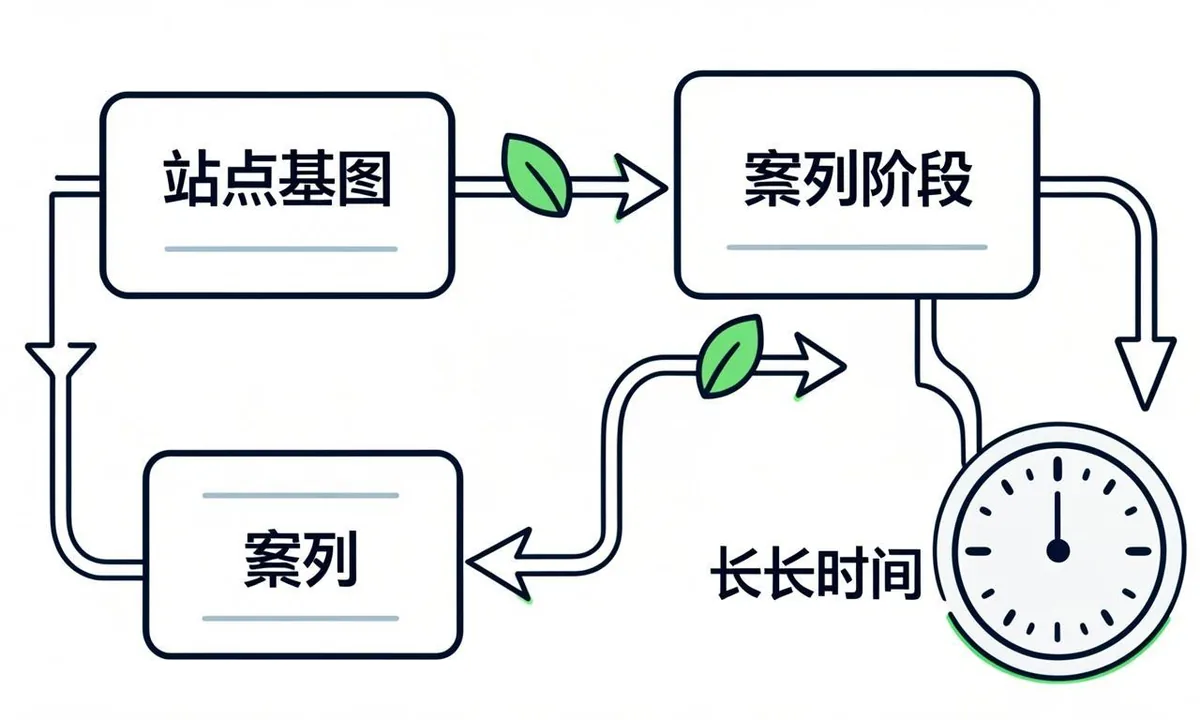 <!-- IMAGE-PROMPT diagram-01: 1600px max, DependsIt brand mint #22E3B0 on charcoal #121212, node-network line art, Clash Display style headings, General Sans clean labels, subject: detect new urls sitemap pipeline diagram from discovery through crawl to indexing decision, flat vector, accessible, no em dash in rendered text -->
Building a simple sitemap watcher in Python
A minimal watcher fetches the index, parses child loc values, downloads each child, and stores URL sets with timestamps. Use requests with timeouts plus defusedxml or lxml for safe parsing. Handle gzip transparently and retry with backoff on 503. Keep dependencies small so the script runs on cron, GitHub Actions, or a tiny VM without maintenance drag. For submit side automation patterns, see auto sync your sitemap.
In practical terms, this relates directly to detect new urls sitemap. Site owners often fix single URLs, but search systems evaluate patterns across templates and link graphs. Understanding the pattern saves time because one template rule can move hundreds of entries at once. Search engines decide crawl frequency from past fetch success, file size, and signal trust. A focused feed that returns quickly with honest timestamps earns more frequent checks than a bloated file with stale dates. That is why small structural choices compound over weeks. Teams that measure fetch latency and Valid growth per template see the link between feed hygiene and pickup speed more clearly than teams that only count total URLs.
Key checks for this stage:
- Audit templates first because issues cluster by post type and archive rule.
- Compare raw HTML to rendered HTML for JavaScript hidden content.
- Trace canonical chains to catch redirects and noindex targets.
- Remove variants, session IDs, and filtered views from XML.
- Add contextual internal links from indexed hubs to priority pages.
Implementation works best in small batches. Pick one section, apply the change, clear caches, fetch the affected child sitemap as a bot, and confirm headers and XML validity. Watch coverage for that section across ten to fourteen days. If Valid rises without new errors, roll the pattern to the next section. Batching isolates cause and effect when Search Console numbers move. Applied to building a simple sitemap watcher in python, the same discipline pays off: detect new urls sitemap improves when eligibility, duplication, and freshness are handled in order. Record baseline Valid and Excluded counts before the change, then confirm live samples after the deploy. Expect movement across one to two crawl cycles rather than overnight. Keep a simple log with date, template, action, sample URLs, and before and after counts so the next review starts from evidence.
Use this quick reference while working through this section.
| Check | What to confirm | Tool |
|---|---|---|
| Status and robots | 200 response, allowed by robots, no noindex in headers | View source, headers, live inspection |
| Canonical intent | Single absolute canonical to preferred 200 URL | Crawl export, inspection |
| Discovery path | Sitemap entry plus contextual internal link | Sitemap index, inlink report |
| Freshness | lastmod from real edit time, stable across rebuilds | CMS history, file diff |
| Stability | Fast fetch, valid XML, no 5xx spikes | Crawl stats, server logs |
To finish, pick one cluster related to detect new urls sitemap, apply the checks above, and document the result before expanding. Small batches reduce risk and make cause and effect visible. Share the sheet with developers when code changes are needed and with editors when content work is needed. Clear ownership keeps building a simple sitemap watcher in python from drifting back after temporary gains.
Diff logic that ignores noise and reordering
Sitemaps reorder entries and update lastmod without adding pages. Compare sets rather than file order and ignore pure timestamp shifts when looking for new loc values. Track first seen time per URL and only alert when the loc itself is novel. Whitelist known parameter patterns that create churn. Stable diff logic cuts noise by an order of magnitude on WooCommerce and multilingual sites.
In practical terms, this relates directly to detect new urls sitemap. Site owners often fix single URLs, but search systems evaluate patterns across templates and link graphs. Understanding the pattern saves time because one template rule can move hundreds of entries at once. Indexing pipelines weigh discovery against quality and duplication. When a feed mixes canonical 200 pages with redirects, parameter variants, and thin archives, schedulers must verify each entry before spending render budget. Clean separation by type or date reduces that verification cost. Over two crawl cycles the result shows as steadier Valid counts and fewer Excluded rows for duplicate or soft 404 reasons.
Key checks for this stage:
- Confirm 200 status, allowed robots, and clean canonical per URL.
- Check sitemap inclusion plus at least one topical internal link.
- Compare uniqueness against site siblings and top competitors.
- Verify speed and stability across two fetch samples.
- Document dates and samples so later monitoring ties to causes.
Maintenance decides whether gains hold. Assign an owner, set a monthly check for counts, latency, and errors, and log every structural change with date and reason. Alert on build failures, size jumps, and fetch errors the same day. Quarterly, revalidate against current docs because engine guidance on sitemaps and submission evolves. Steady ownership beats one time cleanup projects. Applied to diff logic that ignores noise and reordering, the same discipline pays off: detect new urls sitemap improves when eligibility, duplication, and freshness are handled in order. Record baseline Valid and Excluded counts before the change, then confirm live samples after the deploy. Expect movement across one to two crawl cycles rather than overnight. Keep a simple log with date, template, action, sample URLs, and before and after counts so the next review starts from evidence.
Use this quick reference while working through this section.
| Check | What to confirm | Tool |
|---|---|---|
| Status and robots | 200 response, allowed by robots, no noindex in headers | View source, headers, live inspection |
| Canonical intent | Single absolute canonical to preferred 200 URL | Crawl export, inspection |
| Discovery path | Sitemap entry plus contextual internal link | Sitemap index, inlink report |
| Freshness | lastmod from real edit time, stable across rebuilds | CMS history, file diff |
| Stability | Fast fetch, valid XML, no 5xx spikes | Crawl stats, server logs |
To finish, pick one cluster related to detect new urls sitemap, apply the checks above, and document the result before expanding. Small batches reduce risk and make cause and effect visible. Share the sheet with developers when code changes are needed and with editors when content work is needed. Clear ownership keeps diff logic that ignores noise and reordering from drifting back after temporary gains.
Storing state without a database
A JSON snapshot with URL to first seen mapping plus a hash of each child file is enough for most teams. Store snapshots in git or object storage with dates for audit trails. Rotate old snapshots monthly to control size. Avoid full HTML archives for every poll. If you outgrow JSON past a few hundred thousand URLs, move to SQLite with an index on loc before reaching for heavier infrastructure.
In practical terms, this relates directly to detect new urls sitemap. Site owners often fix single URLs, but search systems evaluate patterns across templates and link graphs. Understanding the pattern saves time because one template rule can move hundreds of entries at once. Crawl budget is not infinite even on mid size sites. Internal links, sitemaps, and update pings all compete for attention. A tidy feed amplifies good internal linking because both point to the same canonical set. When feeds and links disagree, engines trust links and headers first and may downgrade feed trust. Alignment across canonicals, robots, and sitemap entries therefore matters more than any single plugin brand.
Key checks for this stage:
- Keep child files fast with 1000 to 5000 URLs on typical hosts.
- Preserve real edit times for lastmod instead of rebuild times.
- Exclude drafts, staging, search results, and paginated thin pages.
- Validate XML namespaces after every plugin or theme update.
- Track Valid versus Excluded weekly rather than daily.
Start with an export of current sitemap URLs joined to status code, canonical target, robots allowance, and internal inlink count. Group by template to find clusters that waste entries. Fix eligibility first, then duplication, then thin content, then linking. Recheck a sample with live inspection before resubmitting. This order prevents content rewrites on pages that were blocked by headers all along. Applied to storing state without a database, the same discipline pays off: detect new urls sitemap improves when eligibility, duplication, and freshness are handled in order. Record baseline Valid and Excluded counts before the change, then confirm live samples after the deploy. Expect movement across one to two crawl cycles rather than overnight. Keep a simple log with date, template, action, sample URLs, and before and after counts so the next review starts from evidence.
Use this quick reference while working through this section.
| Check | What to confirm | Tool |
|---|---|---|
| Status and robots | 200 response, allowed by robots, no noindex in headers | View source, headers, live inspection |
| Canonical intent | Single absolute canonical to preferred 200 URL | Crawl export, inspection |
| Discovery path | Sitemap entry plus contextual internal link | Sitemap index, inlink report |
| Freshness | lastmod from real edit time, stable across rebuilds | CMS history, file diff |
| Stability | Fast fetch, valid XML, no 5xx spikes | Crawl stats, server logs |
To finish, pick one cluster related to detect new urls sitemap, apply the checks above, and document the result before expanding. Small batches reduce risk and make cause and effect visible. Share the sheet with developers when code changes are needed and with editors when content work is needed. Clear ownership keeps storing state without a database from drifting back after temporary gains.
From detection to submission Indexing API and IndexNow
Detection alone does not index pages; submission and linking complete the loop. Queue new URLs for IndexNow where supported and for Bing submission flows, while keeping Google flows to documented methods such as sitemaps and internal links. Throttle queues, respect 429 with backoff, and log outcomes per URL so retries stay precise. For method trade offs, read sitemap versus individual submission.
In practical terms, this relates directly to detect new urls sitemap. Site owners often fix single URLs, but search systems evaluate patterns across templates and link graphs. Understanding the pattern saves time because one template rule can move hundreds of entries at once. Search engines decide crawl frequency from past fetch success, file size, and signal trust. A focused feed that returns quickly with honest timestamps earns more frequent checks than a bloated file with stale dates. That is why small structural choices compound over weeks. Teams that measure fetch latency and Valid growth per template see the link between feed hygiene and pickup speed more clearly than teams that only count total URLs.
Key checks for this stage:
- Audit templates first because issues cluster by post type and archive rule.
- Compare raw HTML to rendered HTML for JavaScript hidden content.
- Trace canonical chains to catch redirects and noindex targets.
- Remove variants, session IDs, and filtered views from XML.
- Add contextual internal links from indexed hubs to priority pages.
Implementation works best in small batches. Pick one section, apply the change, clear caches, fetch the affected child sitemap as a bot, and confirm headers and XML validity. Watch coverage for that section across ten to fourteen days. If Valid rises without new errors, roll the pattern to the next section. Batching isolates cause and effect when Search Console numbers move. Applied to from detection to submission indexing api and indexnow, the same discipline pays off: detect new urls sitemap improves when eligibility, duplication, and freshness are handled in order. Record baseline Valid and Excluded counts before the change, then confirm live samples after the deploy. Expect movement across one to two crawl cycles rather than overnight. Keep a simple log with date, template, action, sample URLs, and before and after counts so the next review starts from evidence.
Use this quick reference while working through this section.
| Check | What to confirm | Tool |
|---|---|---|
| Status and robots | 200 response, allowed by robots, no noindex in headers | View source, headers, live inspection |
| Canonical intent | Single absolute canonical to preferred 200 URL | Crawl export, inspection |
| Discovery path | Sitemap entry plus contextual internal link | Sitemap index, inlink report |
| Freshness | lastmod from real edit time, stable across rebuilds | CMS history, file diff |
| Stability | Fast fetch, valid XML, no 5xx spikes | Crawl stats, server logs |
To finish, pick one cluster related to detect new urls sitemap, apply the checks above, and document the result before expanding. Small batches reduce risk and make cause and effect visible. Share the sheet with developers when code changes are needed and with editors when content work is needed. Clear ownership keeps from detection to submission indexing api and indexnow from drifting back after temporary gains.
 <!-- IMAGE-PROMPT workflow-02: 1600px max, DependsIt brand mint #22E3B0 on charcoal #121212 or white, node-network line art, Clash Display style headings, General Sans clean labels, subject: detect new urls sitemap remediation workflow from audit to fix to monitoring, flat vector, accessible, no em dash in rendered text -->
Alerting your team when important URLs appear
Raw feeds of every new tag page overwhelm editors. Route alerts by section, template, and business value: products to merch, posts to editorial, docs to support. Send Slack or email digests with loc, parent sitemap, first seen time, status code, and canonical check. Include one click inspection links for Search Console follow up. Tune thresholds so important launches page the owner while routine archives batch into daily summaries.
In practical terms, this relates directly to detect new urls sitemap. Site owners often fix single URLs, but search systems evaluate patterns across templates and link graphs. Understanding the pattern saves time because one template rule can move hundreds of entries at once. Indexing pipelines weigh discovery against quality and duplication. When a feed mixes canonical 200 pages with redirects, parameter variants, and thin archives, schedulers must verify each entry before spending render budget. Clean separation by type or date reduces that verification cost. Over two crawl cycles the result shows as steadier Valid counts and fewer Excluded rows for duplicate or soft 404 reasons.
Key checks for this stage:
- Confirm 200 status, allowed robots, and clean canonical per URL.
- Check sitemap inclusion plus at least one topical internal link.
- Compare uniqueness against site siblings and top competitors.
- Verify speed and stability across two fetch samples.
- Document dates and samples so later monitoring ties to causes.
Maintenance decides whether gains hold. Assign an owner, set a monthly check for counts, latency, and errors, and log every structural change with date and reason. Alert on build failures, size jumps, and fetch errors the same day. Quarterly, revalidate against current docs because engine guidance on sitemaps and submission evolves. Steady ownership beats one time cleanup projects. Applied to alerting your team when important urls appear, the same discipline pays off: detect new urls sitemap improves when eligibility, duplication, and freshness are handled in order. Record baseline Valid and Excluded counts before the change, then confirm live samples after the deploy. Expect movement across one to two crawl cycles rather than overnight. Keep a simple log with date, template, action, sample URLs, and before and after counts so the next review starts from evidence.
Use this quick reference while working through this section.
| Check | What to confirm | Tool |
|---|---|---|
| Status and robots | 200 response, allowed by robots, no noindex in headers | View source, headers, live inspection |
| Canonical intent | Single absolute canonical to preferred 200 URL | Crawl export, inspection |
| Discovery path | Sitemap entry plus contextual internal link | Sitemap index, inlink report |
| Freshness | lastmod from real edit time, stable across rebuilds | CMS history, file diff |
| Stability | Fast fetch, valid XML, no 5xx spikes | Crawl stats, server logs |
To finish, pick one cluster related to detect new urls sitemap, apply the checks above, and document the result before expanding. Small batches reduce risk and make cause and effect visible. Share the sheet with developers when code changes are needed and with editors when content work is needed. Clear ownership keeps alerting your team when important urls appear from drifting back after temporary gains.
Handling removals updates and lastmod changes
Watchers should track three event types: added, removed, and updated via lastmod. Removed URLs need redirect or 410 decisions, not silent 404 drift. Updated timestamps should trigger render and canonical rechecks rather than blind resubmission. Keep lastmod honest by sourcing CMS edit times. Clean handling of all three events keeps the feed trustworthy for engines that learn from your history.
In practical terms, this relates directly to detect new urls sitemap. Site owners often fix single URLs, but search systems evaluate patterns across templates and link graphs. Understanding the pattern saves time because one template rule can move hundreds of entries at once. Crawl budget is not infinite even on mid size sites. Internal links, sitemaps, and update pings all compete for attention. A tidy feed amplifies good internal linking because both point to the same canonical set. When feeds and links disagree, engines trust links and headers first and may downgrade feed trust. Alignment across canonicals, robots, and sitemap entries therefore matters more than any single plugin brand.
Key checks for this stage:
- Keep child files fast with 1000 to 5000 URLs on typical hosts.
- Preserve real edit times for lastmod instead of rebuild times.
- Exclude drafts, staging, search results, and paginated thin pages.
- Validate XML namespaces after every plugin or theme update.
- Track Valid versus Excluded weekly rather than daily.
Start with an export of current sitemap URLs joined to status code, canonical target, robots allowance, and internal inlink count. Group by template to find clusters that waste entries. Fix eligibility first, then duplication, then thin content, then linking. Recheck a sample with live inspection before resubmitting. This order prevents content rewrites on pages that were blocked by headers all along. Applied to handling removals updates and lastmod changes, the same discipline pays off: detect new urls sitemap improves when eligibility, duplication, and freshness are handled in order. Record baseline Valid and Excluded counts before the change, then confirm live samples after the deploy. Expect movement across one to two crawl cycles rather than overnight. Keep a simple log with date, template, action, sample URLs, and before and after counts so the next review starts from evidence.
Use this quick reference while working through this section.
| Check | What to confirm | Tool |
|---|---|---|
| Status and robots | 200 response, allowed by robots, no noindex in headers | View source, headers, live inspection |
| Canonical intent | Single absolute canonical to preferred 200 URL | Crawl export, inspection |
| Discovery path | Sitemap entry plus contextual internal link | Sitemap index, inlink report |
| Freshness | lastmod from real edit time, stable across rebuilds | CMS history, file diff |
| Stability | Fast fetch, valid XML, no 5xx spikes | Crawl stats, server logs |
To finish, pick one cluster related to detect new urls sitemap, apply the checks above, and document the result before expanding. Small batches reduce risk and make cause and effect visible. Share the sheet with developers when code changes are needed and with editors when content work is needed. Clear ownership keeps handling removals updates and lastmod changes from drifting back after temporary gains.
Scaling the watcher to many sitemaps
One script handles a handful of sites, but agencies need sharded workers, per host rate limits, and central state. Split by host, cache child ETags, and parallelize with modest concurrency such as four workers. Monitor memory when parsing 50 MB children and stream parse instead of loading all at once. Document per client polling intervals so onboarding does not accidentally double fetch shared origins.
In practical terms, this relates directly to detect new urls sitemap. Site owners often fix single URLs, but search systems evaluate patterns across templates and link graphs. Understanding the pattern saves time because one template rule can move hundreds of entries at once. Search engines decide crawl frequency from past fetch success, file size, and signal trust. A focused feed that returns quickly with honest timestamps earns more frequent checks than a bloated file with stale dates. That is why small structural choices compound over weeks. Teams that measure fetch latency and Valid growth per template see the link between feed hygiene and pickup speed more clearly than teams that only count total URLs.
Key checks for this stage:
- Audit templates first because issues cluster by post type and archive rule.
- Compare raw HTML to rendered HTML for JavaScript hidden content.
- Trace canonical chains to catch redirects and noindex targets.
- Remove variants, session IDs, and filtered views from XML.
- Add contextual internal links from indexed hubs to priority pages.
Implementation works best in small batches. Pick one section, apply the change, clear caches, fetch the affected child sitemap as a bot, and confirm headers and XML validity. Watch coverage for that section across ten to fourteen days. If Valid rises without new errors, roll the pattern to the next section. Batching isolates cause and effect when Search Console numbers move. Applied to scaling the watcher to many sitemaps, the same discipline pays off: detect new urls sitemap improves when eligibility, duplication, and freshness are handled in order. Record baseline Valid and Excluded counts before the change, then confirm live samples after the deploy. Expect movement across one to two crawl cycles rather than overnight. Keep a simple log with date, template, action, sample URLs, and before and after counts so the next review starts from evidence.
Use this quick reference while working through this section.
| Check | What to confirm | Tool |
|---|---|---|
| Status and robots | 200 response, allowed by robots, no noindex in headers | View source, headers, live inspection |
| Canonical intent | Single absolute canonical to preferred 200 URL | Crawl export, inspection |
| Discovery path | Sitemap entry plus contextual internal link | Sitemap index, inlink report |
| Freshness | lastmod from real edit time, stable across rebuilds | CMS history, file diff |
| Stability | Fast fetch, valid XML, no 5xx spikes | Crawl stats, server logs |
To finish, pick one cluster related to detect new urls sitemap, apply the checks above, and document the result before expanding. Small batches reduce risk and make cause and effect visible. Share the sheet with developers when code changes are needed and with editors when content work is needed. Clear ownership keeps scaling the watcher to many sitemaps from drifting back after temporary gains.
Weekly review that keeps detection accurate
Accuracy drifts as templates change, CDN hosts move, and CMS plugins alter output. Review false positive rate, missed launches, and fetch errors every week. Reconcile watcher new counts against CMS publish logs to catch gaps. Prune ignore rules that hide real launches and tighten rules that spam. A short weekly review keeps automatic detection aligned with how editors actually publish.
In practical terms, this relates directly to detect new urls sitemap. Site owners often fix single URLs, but search systems evaluate patterns across templates and link graphs. Understanding the pattern saves time because one template rule can move hundreds of entries at once. Indexing pipelines weigh discovery against quality and duplication. When a feed mixes canonical 200 pages with redirects, parameter variants, and thin archives, schedulers must verify each entry before spending render budget. Clean separation by type or date reduces that verification cost. Over two crawl cycles the result shows as steadier Valid counts and fewer Excluded rows for duplicate or soft 404 reasons.
Key checks for this stage:
- Confirm 200 status, allowed robots, and clean canonical per URL.
- Check sitemap inclusion plus at least one topical internal link.
- Compare uniqueness against site siblings and top competitors.
- Verify speed and stability across two fetch samples.
- Document dates and samples so later monitoring ties to causes.
Maintenance decides whether gains hold. Assign an owner, set a monthly check for counts, latency, and errors, and log every structural change with date and reason. Alert on build failures, size jumps, and fetch errors the same day. Quarterly, revalidate against current docs because engine guidance on sitemaps and submission evolves. Steady ownership beats one time cleanup projects. Applied to weekly review that keeps detection accurate, the same discipline pays off: detect new urls sitemap improves when eligibility, duplication, and freshness are handled in order. Record baseline Valid and Excluded counts before the change, then confirm live samples after the deploy. Expect movement across one to two crawl cycles rather than overnight. Keep a simple log with date, template, action, sample URLs, and before and after counts so the next review starts from evidence.
Use this quick reference while working through this section.
| Check | What to confirm | Tool |
|---|---|---|
| Status and robots | 200 response, allowed by robots, no noindex in headers | View source, headers, live inspection |
| Canonical intent | Single absolute canonical to preferred 200 URL | Crawl export, inspection |
| Discovery path | Sitemap entry plus contextual internal link | Sitemap index, inlink report |
| Freshness | lastmod from real edit time, stable across rebuilds | CMS history, file diff |
| Stability | Fast fetch, valid XML, no 5xx spikes | Crawl stats, server logs |
To finish, pick one cluster related to detect new urls sitemap, apply the checks above, and document the result before expanding. Small batches reduce risk and make cause and effect visible. Share the sheet with developers when code changes are needed and with editors when content work is needed. Clear ownership keeps weekly review that keeps detection accurate from drifting back after temporary gains.
import requests
from xml.etree import ElementTree as ET

SITEMAP_INDEX = "/sitemap_index.xml"
BASE = "/sitemap_index.xml"
# Fetch index then diff child loc sets against last snapshot.
# Store URL to first seen mapping in snapshot.json and alert on novelty.
FAQ
How often should I poll a sitemap for new URLs?
Every 10 to 15 minutes suits small fast moving feeds, while hourly suits large index sets or slow publishing rhythms. When you monitor sitemap changes, base frequency on publish volume and server headroom rather than impatience. Use conditional requests with ETag and Last Modified so quiet polls cost almost nothing. Log fetch times, error rates, and discovery lag so you can track sitemap updates against actual publish events. Back off when origins slow down. A polite steady rhythm keeps detection reliable without adding load that upsets hosts.
Should I store full sitemap copies or only diffs?
Store compact snapshots with URL sets, first seen timestamps, and hashes per child sitemap. That history is what makes url change detection auditable: you can show exactly when each loc first appeared and which fetch revealed it. Keep a few dated copies for audits and rotate monthly. Full XML archives for every poll waste storage and rarely help debugging beyond the last few snapshots. For new page detection specifically, a small table of URL to first seen time beats raw dumps, because queries stay fast and diffs stay simple even as the index grows.
How do I avoid false positives from reordered entries?
Compare URL sets rather than raw file text, so order changes and pure lastmod shifts never count as novelty. Normalize hosts, paths, and query keys before comparison, and whitelist known noisy parameters from filters and tracking that create variant churn. To find new urls reliably, test your differ against a recorded week of real fetches and count how many alerts pointed at genuinely fresh pages. Tune the normalizer until precision is high. A boring differ that only fires on real additions earns editor trust, while a chatty one teaches the team to ignore alerts.
Can detection automatically submit to Google?
Detection can queue URLs for documented Google flows such as refreshed sitemaps and internal link checks, and many teams auto detect new content end to end from publish hook to submission queue. Direct instant submission on Google remains limited to specific page types through the Indexing API, so avoid off label bulk pushes that contradict the docs. Pair detection with clean feeds, fast rendering, and sensible internal links for steady pickup. Measure publish to crawl time per section so you know whether the queue or the page itself is the bottleneck.
What should alerts include for editors?
Include loc, section, first seen time, status code, canonical target, and parent sitemap name in every alert. Add render check results when JavaScript matters, and link to inspection tools for one click follow up. Group low value archives separately so launches stay visible. Good new url alerts read like a short work order: what appeared, where it lives, whether it is eligible, and what to check next. Route them to the channel editors already watch, and batch quiet hours into a morning digest so nobody gets paged for routine additions.
How do I scale to hundreds of sitemaps?
Shard by host, respect per host concurrency, cache with ETag and Last Modified, and centralize state in SQLite or object storage. Use small worker pools and stream large children instead of loading whole indexes into memory. A dependable sitemap monitoring tool also tracks per host error budgets, so one failing origin cannot stall every other client. Add dashboards for fetch latency, snapshot age, and alert precision, plus runbooks for common failures. Review capacity quarterly, because publishing growth and new sections silently raise the load your watcher must carry.