Bulk URL Submitter Tools for Large Sites

Large sites cannot submit URLs one by one. The focus here is bulk url submitter tools, built for catalogs, marketplaces, and publishers with thousands or millions of pages. This guide is for engineers and SEOs who need safe throughput without throttling or messy logs. You will learn what separates a safe bulk submitter from a risky blaster, and how to run large batches with confidence.
By the end you will have a bulk routine you can operate weekly. We cover queue design, batch sizes, throttling, logging, error handling, and feed automation from sitemaps and deploys. You will also see how to split Google eligible work from IndexNow work for participating engines. The emphasis stays on measurement: submitted, accepted, fetched, and indexed, tracked per batch.
Key takeaways
- Bulk submitters win by queuing, pacing, deduping, and logging, not by sending faster.
- Respect per engine quotas: small paced batches beat large blasts that trigger throttling.
- Log every batch with counts, status codes, and request IDs so you can reconcile outcomes.
- Feed submitters from sitemap diffs, CMS events, or deploy hooks to avoid manual CSV work.
- Test on a sample section first and measure time to fetch before scaling to millions.
- Why bulk submission needs its own design
- Core features of a safe bulk url submitter
- Queueing and throttling patterns that work
- Batch sizes per engine and protocol
- Logging tracking and reconciliation
- Error handling retries and backoff
- Automation feeds plus tool selection
- FAQ
- Sources
- Further reading

Why bulk submission needs its own design
This section covers why bulk submission needs its own design for bulk url submitter. It builds on the baseline you set in the previous steps and ties directly to daily publishing work. You will see what to configure, what to check, and what good looks like in logs and reports. The aim is steady progress without rework. Teams that treat why bulk submission needs its own design as a routine finish faster than teams that treat it as a project. Keep scope tight, record changes, and compare outcomes week over week.
Manual work breaks first on volume. A person can inspect a handful of URLs per day with care, but a catalog that adds hundreds of items weekly needs queuing and scheduling. Note where time goes: copying URLs, switching tools, rechecking status, and pasting results into sheets. That overhead hides the real bottleneck, which is usually inconsistent signaling plus thin internal linking. Fix the routine before buying features. A simple checklist run weekly often beats a complex dashboard that nobody opens.
Build the feed from sources you already trust. Sitemap diffs catch new and updated URLs nightly without manual lists. CMS publish hooks push creates and edits in real time with content type tags. Deploy webhooks cover template or navigation changes that affect many pages at once. Tag each queued URL with its source so debugging traces back to origin. Deduplicate by canonical URL and day to avoid resending the same address through multiple paths.
Apply this to bulk url submitter tools for large sites with concrete ownership. Assign one owner for feeds, one for site health, and one for reporting, even if one person covers all three on small teams. Document endpoints, keys, quotas, and schedules in a short runbook. Include how to pause feeds during incidents and how to resume safely. Test changes on a staging section first, then roll to production in paced batches. That discipline prevents outages from turning into index gaps.
Close the loop on why bulk submission needs its own design before moving on. Confirm submits were accepted, check server logs for engine fetches, and verify coverage state for a sample of URLs. If results lag, resist adding more tools. Instead inspect canonicals, robots, speed, and content depth for the lagging sample. Most delays trace to those foundations rather than submission mechanics. Fix, resubmit the fixed slice, and note the outcome for next week.
Remember the protocol boundaries while working on why bulk submission needs its own design. IndexNow is an open protocol co developed by Microsoft Bing and Yandex for participating engines, and Google does not support IndexNow, so plan a separate Google path with sitemaps and Search Console. Sitemaps, internal linking, canonical tags, robots health, and crawl budget still matter, because IndexNow complements those foundations instead of replacing them. For bulk work, queue and throttle with exponential backoff on 429 responses and log request IDs. Never advise hammering endpoints. That honest split keeps reporting credible and avoids promising Google delivery from IndexNow pings.
| Check | What to record for why bulk submission needs its own design | Why it matters |
|---|---|---|
| Input list | Canonical URLs added or changed this week | Prevents resends and traps |
| Submit result | Accepted, throttled, and failed counts | Shows quota health |
| Fetch signal | Time from submit to engine fetch | Measures discovery speed |
| Coverage state | Indexed, crawled, or excluded with reason | Separates quality from discovery |
- Keep batches host pure and labeled by date and source.
- Submit only changed URLs that return 200 with self referencing canonicals.
- Pace batches with delays and honor Retry After on throttling.
- Log status codes and retry only the failed slice.
- Review fetch and coverage weekly and prune dead feeds.
Core features of a safe bulk url submitter
This section covers core features of a safe bulk submitter for bulk url submitter. It builds on the baseline you set in the previous steps and ties directly to daily publishing work. You will see what to configure, what to check, and what good looks like in logs and reports. The aim is steady progress without rework. Teams that treat core features of a safe bulk submitter as a routine finish faster than teams that treat it as a project. Keep scope tight, record changes, and compare outcomes week over week.
Data quality decides outcomes more than tool choice. Clean canonicals, accurate sitemaps, fast server responses, and clear internal paths let any submission method work. Submit only URLs that return 200, carry self referencing canonicals, and deserve index space. Exclude faceted traps, session variants, and thin duplicates from feeds. When inputs are clean, even modest automation shows faster fetch times. When inputs are messy, automation only fails faster and louder.
Design batches for debuggability. Keep batches host pure, limited in size, and labeled with date, source, and engine path. Small batches isolate failures: one bad URL or auth slip affects tens, not thousands. Record counts submitted, accepted, throttled, and failed with status codes. When a batch shows mixed results, retry only the failed slice with corrected data. Full resends waste quota and muddy logs. Clear batch IDs make weekly reviews short and factual.
Apply this to bulk url submitter tools for large sites with concrete ownership. Assign one owner for feeds, one for site health, and one for reporting, even if one person covers all three on small teams. Document endpoints, keys, quotas, and schedules in a short runbook. Include how to pause feeds during incidents and how to resume safely. Test changes on a staging section first, then roll to production in paced batches. That discipline prevents outages from turning into index gaps.
Close the loop on core features of a safe bulk submitter before moving on. Confirm submits were accepted, check server logs for engine fetches, and verify coverage state for a sample of URLs. If results lag, resist adding more tools. Instead inspect canonicals, robots, speed, and content depth for the lagging sample. Most delays trace to those foundations rather than submission mechanics. Fix, resubmit the fixed slice, and note the outcome for next week.
Remember the protocol boundaries while working on core features of a safe bulk submitter. IndexNow is an open protocol co developed by Microsoft Bing and Yandex for participating engines, and Google does not support IndexNow, so plan a separate Google path with sitemaps and Search Console. Sitemaps, internal linking, canonical tags, robots health, and crawl budget still matter, because IndexNow complements those foundations instead of replacing them. For bulk work, queue and throttle with exponential backoff on 429 responses and log request IDs. Never advise hammering endpoints. That honest split keeps reporting credible and avoids promising Google delivery from IndexNow pings.
| Check | What to record for core features of a safe bulk submitter | Why it matters |
|---|---|---|
| Input list | Canonical URLs added or changed this week | Prevents resends and traps |
| Submit result | Accepted, throttled, and failed counts | Shows quota health |
| Fetch signal | Time from submit to engine fetch | Measures discovery speed |
| Coverage state | Indexed, crawled, or excluded with reason | Separates quality from discovery |
- Keep batches host pure and labeled by date and source.
- Submit only changed URLs that return 200 with self referencing canonicals.
- Pace batches with delays and honor Retry After on throttling.
- Log status codes and retry only the failed slice.
- Review fetch and coverage weekly and prune dead feeds.
For background that this section summarizes, see safe bulk limits and scripts for Google at safe bulk limits and scripts for Google. That companion piece covers setup details while this guide focuses on comparison and routine.
Queueing and throttling patterns that work
This section covers queueing and throttling patterns that work for bulk url submitter. It builds on the baseline you set in the previous steps and ties directly to daily publishing work. You will see what to configure, what to check, and what good looks like in logs and reports. The aim is steady progress without rework. Teams that treat queueing and throttling patterns that work as a routine finish faster than teams that treat it as a project. Keep scope tight, record changes, and compare outcomes week over week.
Measurement keeps decisions honest. Record publish time, submit time, first engine fetch from server logs, and coverage state from Webmaster tools. A solid bulk submitter tool shows bulk url submission progress per batch, so you can see bulk indexing tools throughput without guessing. This clarity helps you tune rates for large site submission tools rather than blasting. Plot time to fetch per batch and watch the trend over four weeks. Compare like with like: same section, same quality, same weekpart. If fetch quickens but coverage does not move, the constraint is quality or eligibility, not discovery. If submits fail, fix auth and formatting before blaming engines.
Handle errors with a written table, not memory. Map each common code to cause and next step: auth failures need key or permission fixes same day, validation errors need URL or format fixes, throttling needs paced retries with backoff. Keep raw responses for a week for audit, then roll up to counts. Alert on repeated auth failures and sudden throttling spikes. Calm, documented handling beats late night guessing and keeps stakeholders confident.
Apply this to bulk url submitter tools for large sites with concrete ownership. Assign one owner for feeds, one for site health, and one for reporting, even if one person covers all three on small teams. Document endpoints, keys, quotas, and schedules in a short runbook. Include how to pause feeds during incidents and how to resume safely. Test changes on a staging section first, then roll to production in paced batches. That discipline prevents outages from turning into index gaps.
Close the loop on queueing and throttling patterns that work before moving on. Confirm submits were accepted, check server logs for engine fetches, and verify coverage state for a sample of URLs. If results lag, resist adding more tools. Instead inspect canonicals, robots, speed, and content depth for the lagging sample. Most delays trace to those foundations rather than submission mechanics. Fix, resubmit the fixed slice, and note the outcome for next week.
Remember the protocol boundaries while working on queueing and throttling patterns that work. IndexNow is an open protocol co developed by Microsoft Bing and Yandex for participating engines, and Google does not support IndexNow, so plan a separate Google path with sitemaps and Search Console. Sitemaps, internal linking, canonical tags, robots health, and crawl budget still matter, because IndexNow complements those foundations instead of replacing them. For bulk work, queue and throttle with exponential backoff on 429 responses and log request IDs. Never advise hammering endpoints. That honest split keeps reporting credible and avoids promising Google delivery from IndexNow pings.
| Check | What to record for queueing and throttling patterns that work | Why it matters |
|---|---|---|
| Input list | Canonical URLs added or changed this week | Prevents resends and traps |
| Submit result | Accepted, throttled, and failed counts | Shows quota health |
| Fetch signal | Time from submit to engine fetch | Measures discovery speed |
| Coverage state | Indexed, crawled, or excluded with reason | Separates quality from discovery |
- Keep batches host pure and labeled by date and source.
- Submit only changed URLs that return 200 with self referencing canonicals.
- Pace batches with delays and honor Retry After on throttling.
- Log status codes and retry only the failed slice.
- Review fetch and coverage weekly and prune dead feeds.
Batch sizes per engine and protocol
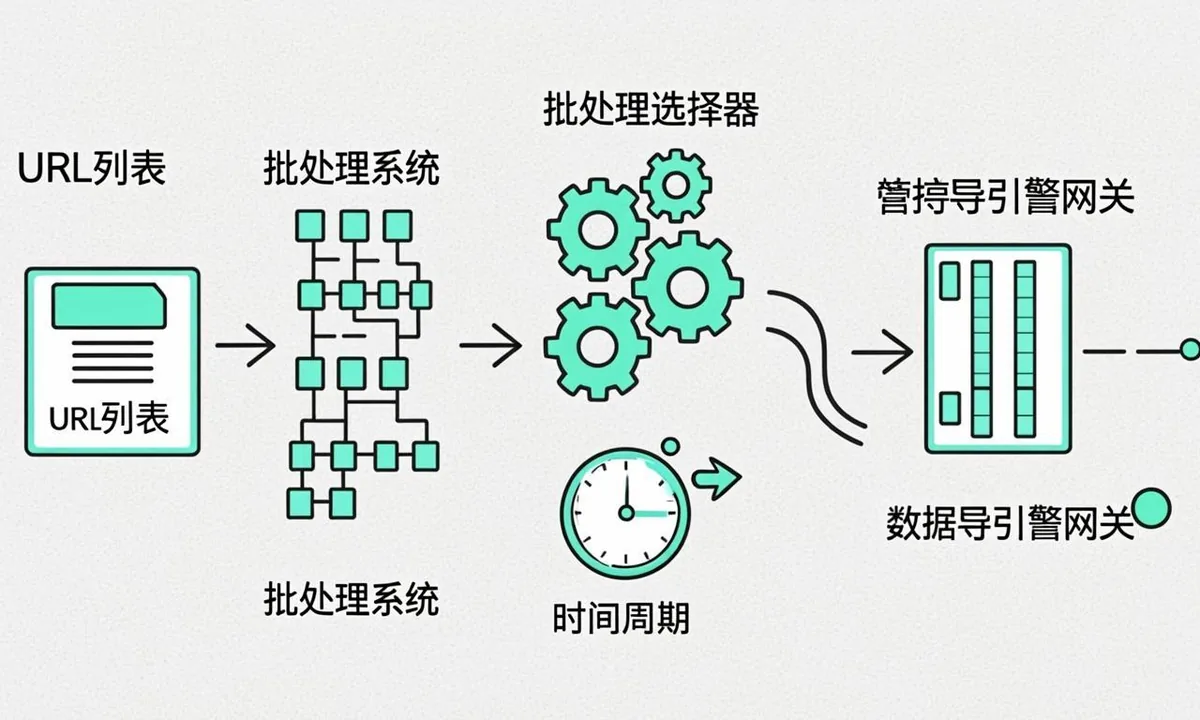
This section covers batch sizes per engine and protocol for bulk url submitter. It builds on the baseline you set in the previous steps and ties directly to daily publishing work. You will see what to configure, what to check, and what good looks like in logs and reports. The aim is steady progress without rework. Teams that treat batch sizes per engine and protocol as a routine finish faster than teams that treat it as a project. Keep scope tight, record changes, and compare outcomes week over week.
Quotas and politeness shape every design. Engines protect crawl capacity with rate limits, daily caps, and throttling signals. Honor Retry After headers, back off exponentially on 429 responses, and pace batches with delays between calls. When you submit many urls, prefer url batch submit logs with per batch IDs over single totals. A steady bulk ping tool rhythm with backoff beats bursts when you mass submit urls across sections. Log request IDs where available and keep per engine counters. Night windows suit backfills, while daytime suits urgent fixes. Never hammer endpoints in tight loops. Steady paced signals earn trust, while blasts invite throttling.
Review weekly and prune ruthlessly. Close feeds that send unchanged URLs, drop sections with persistent thin quality, and tighten internal linking to support what remains. Promote feeds that show faster fetch and stable coverage. Share a one page summary: volume sent, fetch time trend, coverage change, errors fixed, and next action. That cadence turns indexing from a one time project into a quiet routine that survives staff changes.
Apply this to bulk url submitter tools for large sites with concrete ownership. Assign one owner for feeds, one for site health, and one for reporting, even if one person covers all three on small teams. Document endpoints, keys, quotas, and schedules in a short runbook. Include how to pause feeds during incidents and how to resume safely. Test changes on a staging section first, then roll to production in paced batches. That discipline prevents outages from turning into index gaps.
Close the loop on batch sizes per engine and protocol before moving on. Confirm submits were accepted, check server logs for engine fetches, and verify coverage state for a sample of URLs. If results lag, resist adding more tools. Instead inspect canonicals, robots, speed, and content depth for the lagging sample. Most delays trace to those foundations rather than submission mechanics. Fix, resubmit the fixed slice, and note the outcome for next week.
Remember the protocol boundaries while working on batch sizes per engine and protocol. IndexNow is an open protocol co developed by Microsoft Bing and Yandex for participating engines, and Google does not support IndexNow, so plan a separate Google path with sitemaps and Search Console. Sitemaps, internal linking, canonical tags, robots health, and crawl budget still matter, because IndexNow complements those foundations instead of replacing them. For bulk work, queue and throttle with exponential backoff on 429 responses and log request IDs. Never advise hammering endpoints. That honest split keeps reporting credible and avoids promising Google delivery from IndexNow pings.
| Check | What to record for batch sizes per engine and protocol | Why it matters |
|---|---|---|
| Input list | Canonical URLs added or changed this week | Prevents resends and traps |
| Submit result | Accepted, throttled, and failed counts | Shows quota health |
| Fetch signal | Time from submit to engine fetch | Measures discovery speed |
| Coverage state | Indexed, crawled, or excluded with reason | Separates quality from discovery |
- Keep batches host pure and labeled by date and source.
- Submit only changed URLs that return 200 with self referencing canonicals.
- Pace batches with delays and honor Retry After on throttling.
- Log status codes and retry only the failed slice.
- Review fetch and coverage weekly and prune dead feeds.
When pacing or batching comes up, the notes in IndexNow bulk rule for 10000 URLs pair well with the checklist here. Use both to keep batches small and auditable.
Logging tracking and reconciliation
This section covers logging tracking and reconciliation for bulk url submitter. It builds on the baseline you set in the previous steps and ties directly to daily publishing work. You will see what to configure, what to check, and what good looks like in logs and reports. The aim is steady progress without rework. Teams that treat logging tracking and reconciliation as a routine finish faster than teams that treat it as a project. Keep scope tight, record changes, and compare outcomes week over week.
Ownership and security deserve early attention. Service account keys, API tokens, and IndexNow keys need least privilege storage, rotation plans, and audit trails. Avoid pasting raw keys into shared dashboards or tickets. Prefer environment variables or secret managers, scoped roles, and short lived tokens where supported. Review who can submit, who can rotate, and who can export logs. Small teams benefit from writing these rules down before adding vendors.
Start with a baseline week. Capture URL counts by section, publish frequency, current time to fetch, and open coverage issues. This snapshot tells you whether you have a discovery problem, a quality problem, or both. Discovery problems show slow fetch with clean quality. Quality problems show fast fetch with poor coverage. Mixed cases need staged fixes. Without a baseline, every later claim about speed is guesswork. Store the baseline where the team can find it.
Apply this to bulk url submitter tools for large sites with concrete ownership. Assign one owner for feeds, one for site health, and one for reporting, even if one person covers all three on small teams. Document endpoints, keys, quotas, and schedules in a short runbook. Include how to pause feeds during incidents and how to resume safely. Test changes on a staging section first, then roll to production in paced batches. That discipline prevents outages from turning into index gaps.
Close the loop on logging tracking and reconciliation before moving on. Confirm submits were accepted, check server logs for engine fetches, and verify coverage state for a sample of URLs. If results lag, resist adding more tools. Instead inspect canonicals, robots, speed, and content depth for the lagging sample. Most delays trace to those foundations rather than submission mechanics. Fix, resubmit the fixed slice, and note the outcome for next week.
Remember the protocol boundaries while working on logging tracking and reconciliation. IndexNow is an open protocol co developed by Microsoft Bing and Yandex for participating engines, and Google does not support IndexNow, so plan a separate Google path with sitemaps and Search Console. Sitemaps, internal linking, canonical tags, robots health, and crawl budget still matter, because IndexNow complements those foundations instead of replacing them. For bulk work, queue and throttle with exponential backoff on 429 responses and log request IDs. Never advise hammering endpoints. That honest split keeps reporting credible and avoids promising Google delivery from IndexNow pings.
| Check | What to record for logging tracking and reconciliation | Why it matters |
|---|---|---|
| Input list | Canonical URLs added or changed this week | Prevents resends and traps |
| Submit result | Accepted, throttled, and failed counts | Shows quota health |
| Fetch signal | Time from submit to engine fetch | Measures discovery speed |
| Coverage state | Indexed, crawled, or excluded with reason | Separates quality from discovery |
- Keep batches host pure and labeled by date and source.
- Submit only changed URLs that return 200 with self referencing canonicals.
- Pace batches with delays and honor Retry After on throttling.
- Log status codes and retry only the failed slice.
- Review fetch and coverage weekly and prune dead feeds.
Error handling retries and backoff
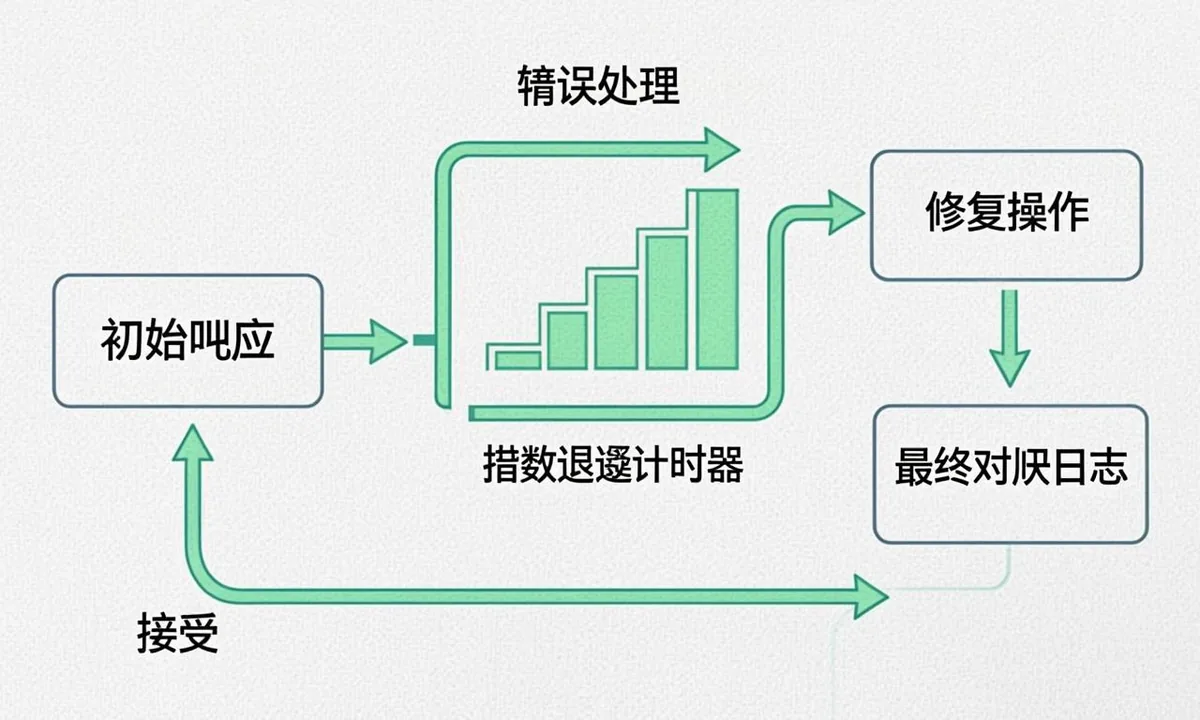
This section covers error handling retries and backoff for bulk url submitter. It builds on the baseline you set in the previous steps and ties directly to daily publishing work. You will see what to configure, what to check, and what good looks like in logs and reports. The aim is steady progress without rework. Teams that treat error handling retries and backoff as a routine finish faster than teams that treat it as a project. Keep scope tight, record changes, and compare outcomes week over week.
Manual work breaks first on volume. A person can inspect a handful of URLs per day with care, but a catalog that adds hundreds of items weekly needs queuing and scheduling. Note where time goes: copying URLs, switching tools, rechecking status, and pasting results into sheets. That overhead hides the real bottleneck, which is usually inconsistent signaling plus thin internal linking. Fix the routine before buying features. A simple checklist run weekly often beats a complex dashboard that nobody opens.
Build the feed from sources you already trust. Sitemap diffs catch new and updated URLs nightly without manual lists. CMS publish hooks push creates and edits in real time with content type tags. Deploy webhooks cover template or navigation changes that affect many pages at once. Tag each queued URL with its source so debugging traces back to origin. Deduplicate by canonical URL and day to avoid resending the same address through multiple paths.
Apply this to bulk url submitter tools for large sites with concrete ownership. Assign one owner for feeds, one for site health, and one for reporting, even if one person covers all three on small teams. Document endpoints, keys, quotas, and schedules in a short runbook. Include how to pause feeds during incidents and how to resume safely. Test changes on a staging section first, then roll to production in paced batches. That discipline prevents outages from turning into index gaps.
Close the loop on error handling retries and backoff before moving on. Confirm submits were accepted, check server logs for engine fetches, and verify coverage state for a sample of URLs. If results lag, resist adding more tools. Instead inspect canonicals, robots, speed, and content depth for the lagging sample. Most delays trace to those foundations rather than submission mechanics. Fix, resubmit the fixed slice, and note the outcome for next week.
Remember the protocol boundaries while working on error handling retries and backoff. IndexNow is an open protocol co developed by Microsoft Bing and Yandex for participating engines, and Google does not support IndexNow, so plan a separate Google path with sitemaps and Search Console. Sitemaps, internal linking, canonical tags, robots health, and crawl budget still matter, because IndexNow complements those foundations instead of replacing them. For bulk work, queue and throttle with exponential backoff on 429 responses and log request IDs. Never advise hammering endpoints. That honest split keeps reporting credible and avoids promising Google delivery from IndexNow pings.
| Check | What to record for error handling retries and backoff | Why it matters |
|---|---|---|
| Input list | Canonical URLs added or changed this week | Prevents resends and traps |
| Submit result | Accepted, throttled, and failed counts | Shows quota health |
| Fetch signal | Time from submit to engine fetch | Measures discovery speed |
| Coverage state | Indexed, crawled, or excluded with reason | Separates quality from discovery |
- Keep batches host pure and labeled by date and source.
- Submit only changed URLs that return 200 with self referencing canonicals.
- Pace batches with delays and honor Retry After on throttling.
- Log status codes and retry only the failed slice.
- Review fetch and coverage weekly and prune dead feeds.
If error handling needs more depth, read best practices for large sites next. It expands the retry and logging patterns summarized in this section.
Automation feeds plus tool selection
This section covers automation feeds plus tool selection for bulk url submitter. It builds on the baseline you set in the previous steps and ties directly to daily publishing work. You will see what to configure, what to check, and what good looks like in logs and reports. The aim is steady progress without rework. Teams that treat automation feeds plus tool selection as a routine finish faster than teams that treat it as a project. Keep scope tight, record changes, and compare outcomes week over week.
Data quality decides outcomes more than tool choice. Clean canonicals, accurate sitemaps, fast server responses, and clear internal paths let any submission method work. Submit only URLs that return 200, carry self referencing canonicals, and deserve index space. Exclude faceted traps, session variants, and thin duplicates from feeds. When inputs are clean, even modest automation shows faster fetch times. When inputs are messy, automation only fails faster and louder.
Design batches for debuggability. Keep batches host pure, limited in size, and labeled with date, source, and engine path. Small batches isolate failures: one bad URL or auth slip affects tens, not thousands. Record counts submitted, accepted, throttled, and failed with status codes. When a batch shows mixed results, retry only the failed slice with corrected data. Full resends waste quota and muddy logs. Clear batch IDs make weekly reviews short and factual.
Apply this to bulk url submitter tools for large sites with concrete ownership. Assign one owner for feeds, one for site health, and one for reporting, even if one person covers all three on small teams. Document endpoints, keys, quotas, and schedules in a short runbook. Include how to pause feeds during incidents and how to resume safely. Test changes on a staging section first, then roll to production in paced batches. That discipline prevents outages from turning into index gaps.
Close the loop on automation feeds plus tool selection before moving on. Confirm submits were accepted, check server logs for engine fetches, and verify coverage state for a sample of URLs. If results lag, resist adding more tools. Instead inspect canonicals, robots, speed, and content depth for the lagging sample. Most delays trace to those foundations rather than submission mechanics. Fix, resubmit the fixed slice, and note the outcome for next week.
Remember the protocol boundaries while working on automation feeds plus tool selection. IndexNow is an open protocol co developed by Microsoft Bing and Yandex for participating engines, and Google does not support IndexNow, so plan a separate Google path with sitemaps and Search Console. Sitemaps, internal linking, canonical tags, robots health, and crawl budget still matter, because IndexNow complements those foundations instead of replacing them. For bulk work, queue and throttle with exponential backoff on 429 responses and log request IDs. Never advise hammering endpoints. That honest split keeps reporting credible and avoids promising Google delivery from IndexNow pings.
| Check | What to record for automation feeds plus tool selection | Why it matters |
|---|---|---|
| Input list | Canonical URLs added or changed this week | Prevents resends and traps |
| Submit result | Accepted, throttled, and failed counts | Shows quota health |
| Fetch signal | Time from submit to engine fetch | Measures discovery speed |
| Coverage state | Indexed, crawled, or excluded with reason | Separates quality from discovery |
- Keep batches host pure and labeled by date and source.
- Submit only changed URLs that return 200 with self referencing canonicals.
- Pace batches with delays and honor Retry After on throttling.
- Log status codes and retry only the failed slice.
- Review fetch and coverage weekly and prune dead feeds.
FAQ
How many URLs can I submit at once?
It depends on the path. IndexNow accepts up to 10000 URLs per POST, while Google and Bing paths have their own daily and rate limits tied to account standing. In practice, send smaller batches such as 500 to 2000 URLs paced over minutes, with delays between batches and per batch IDs. Small paced batches get accepted cleanly and make failures easy to isolate without full resends. Large single blasts risk throttling, harder retries, and muddied logs that slow weekly reviews.
What should a good bulk tool include?
Look for URL deduping, persistent queues, per engine throttling, exponential backoff on 429 responses, detailed logs with timestamps and status codes, dry run mode, and CSV plus sitemap plus API inputs. Any bulk index service worth keeping should also separate Google eligible flows from IndexNow flows, since Google does not support IndexNow. Reporting should show submitted, accepted, fetched, and failed counts per batch with exportable rows. Test dry run and 429 handling during trial, not after purchase, and require clear docs.
How do I feed URLs without manual lists?
Derive feeds from sitemap diffs, CMS publish events, or deploy webhooks rather than maintaining CSV files by hand. Nightly sitemap comparison catches new and updated URLs automatically with source tags. CMS hooks send creates and updates in real time with content type labels. Deploy pipelines ping on release for template driven changes. Combine all three into one queue with source tags and dedupe by canonical URL and day, so you can trace each URL back to its origin when debugging gaps.
How do I avoid getting throttled?
Pace submissions, honor Retry After headers, use exponential backoff, and cap parallel workers from the start. Start with conservative rates, watch for 429 or quota errors in url batch submit reports, then tune upward slowly based on accepted counts. Night and weekend windows help for backfills while daytime suits urgent fixes. Never retry throttled batches immediately in a tight loop. Log throttling events with batch IDs and review weekly to find the sustainable rate for each engine and path with clear notes.
How do I know bulk submission worked?
Reconcile in three steps: accepted responses at submit time, engine fetch in server logs within days, and coverage state in Webmaster tools for a sample. Track time from submit to fetch per batch and plot trends over four weeks rather than trusting totals. If submits are accepted but fetches lag, the issue is crawl capacity or site health, not submission mechanics. If submits fail, fix auth, formatting, or quota first, then retry only the failed slice with corrected data and notes.
Can I backfill millions of URLs?
Yes, but stage it like any mass indexing job rather than one giant blast. Prioritize revenue and fresh sections first, then fill the long tail over weeks with nightly paced batches. Use sitemap index files to partition by section, send smaller batches with delays, and pause when throttling appears. Keep a checkpoint file so restarts resume where they stopped without resends. Review coverage weekly and stop backfilling sections that show thin or duplicate quality signals until templates improve and pass checks.